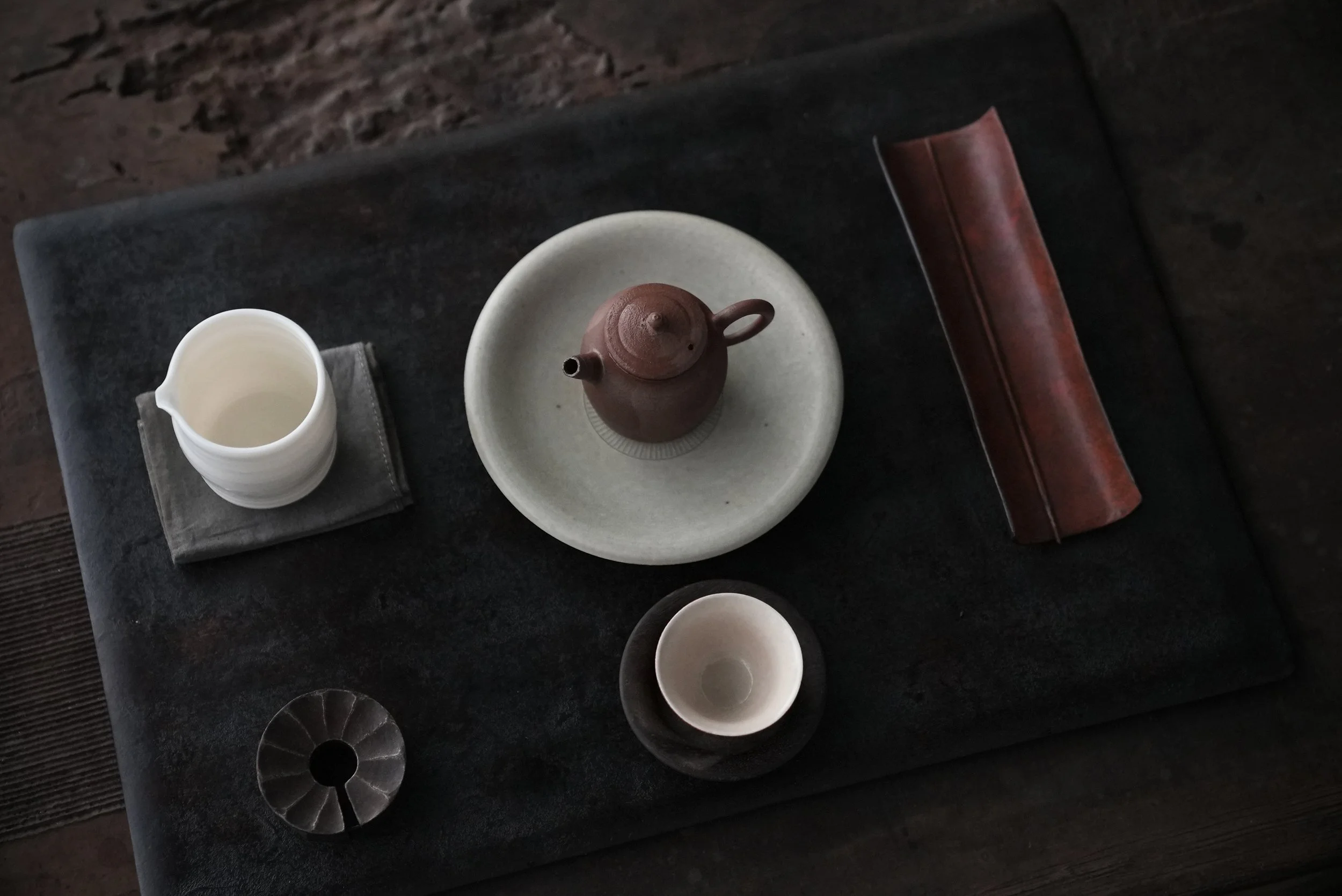
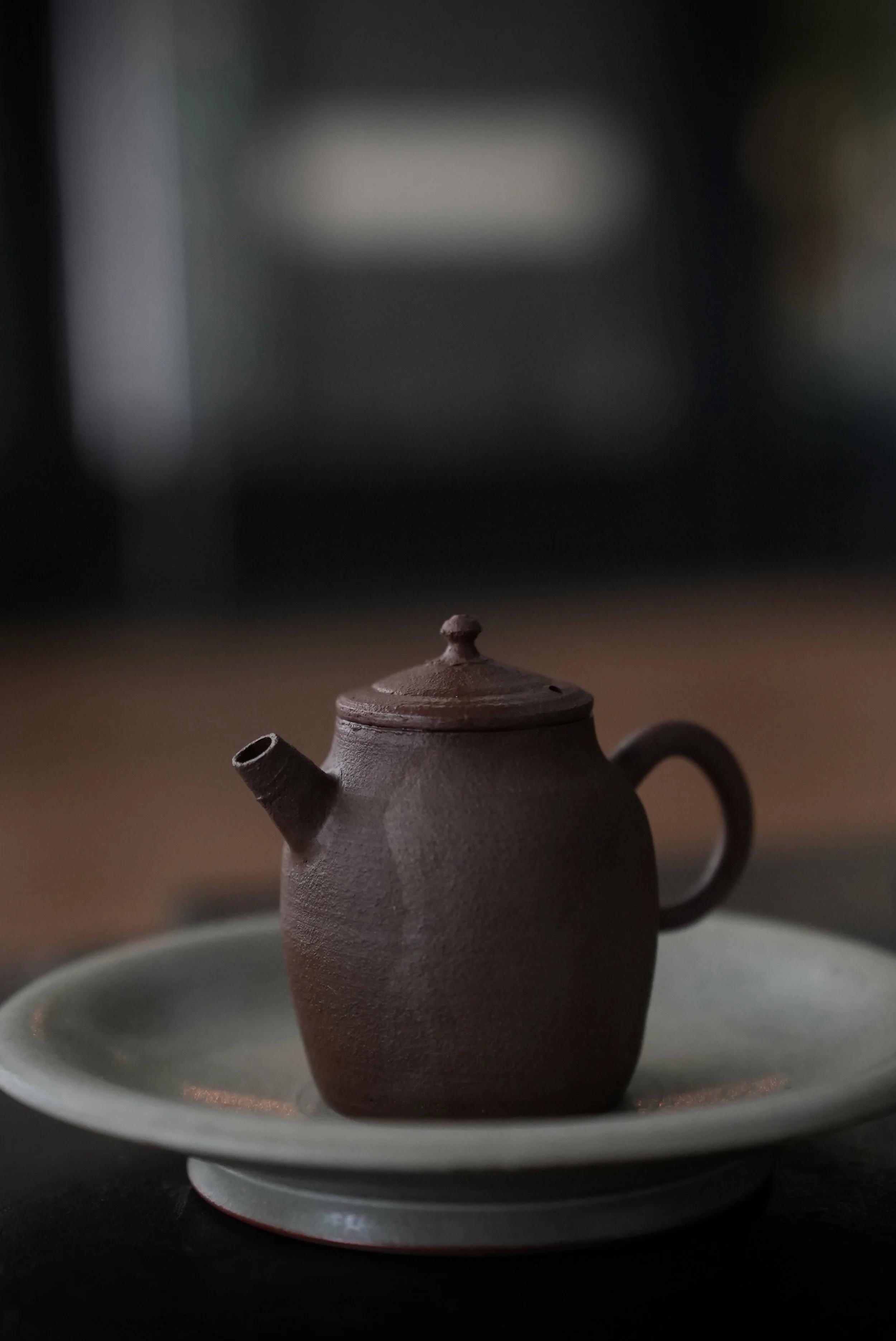
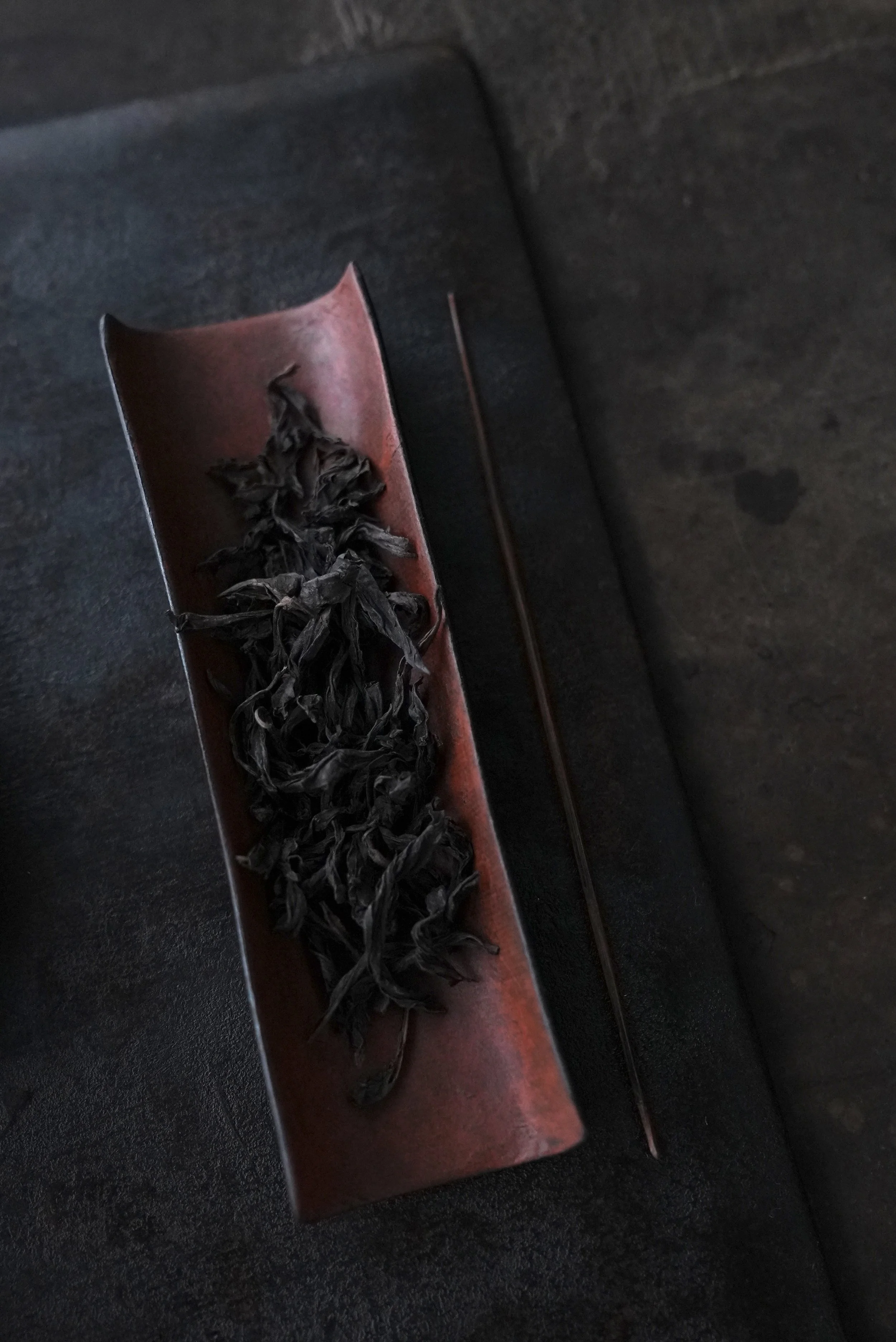
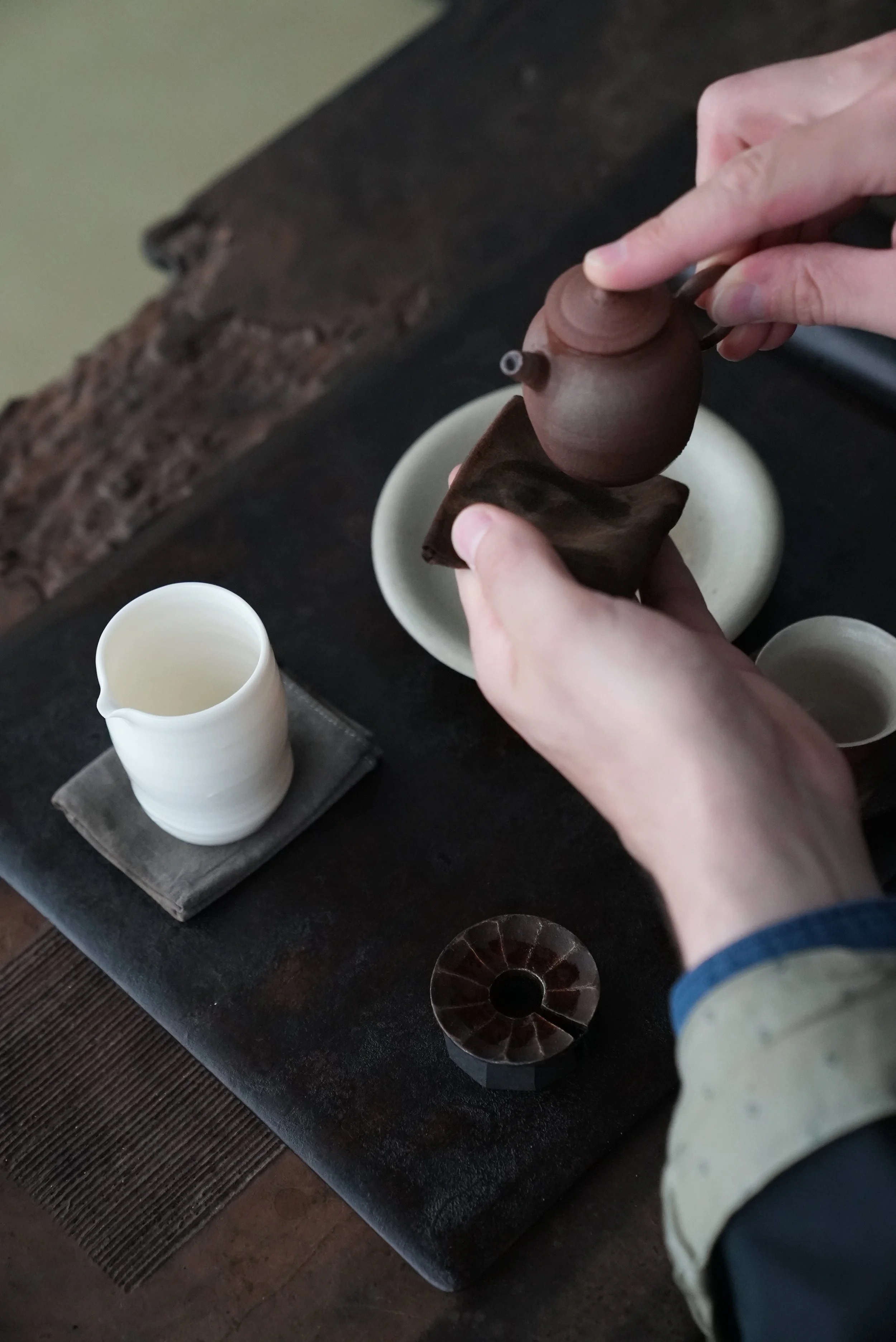
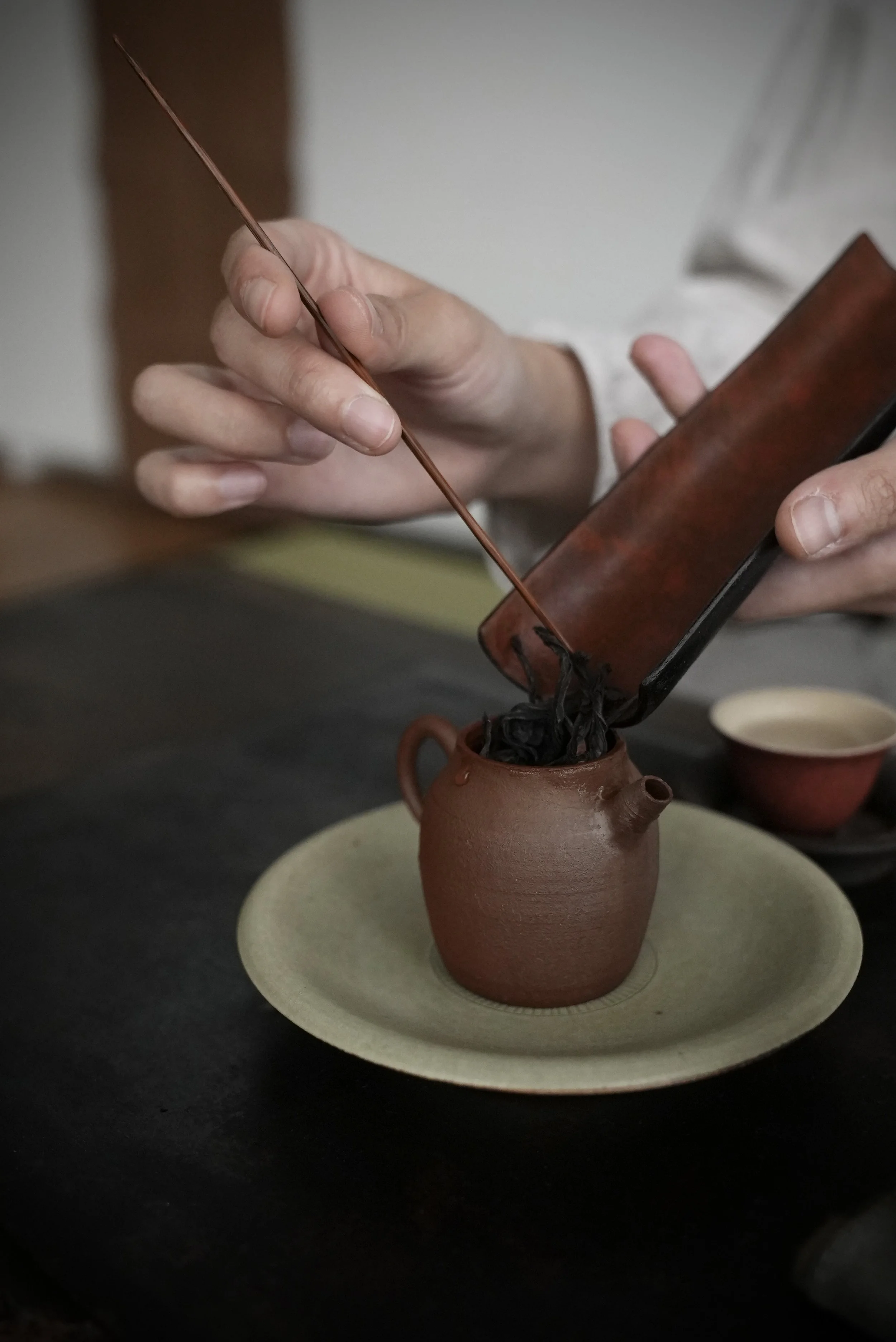
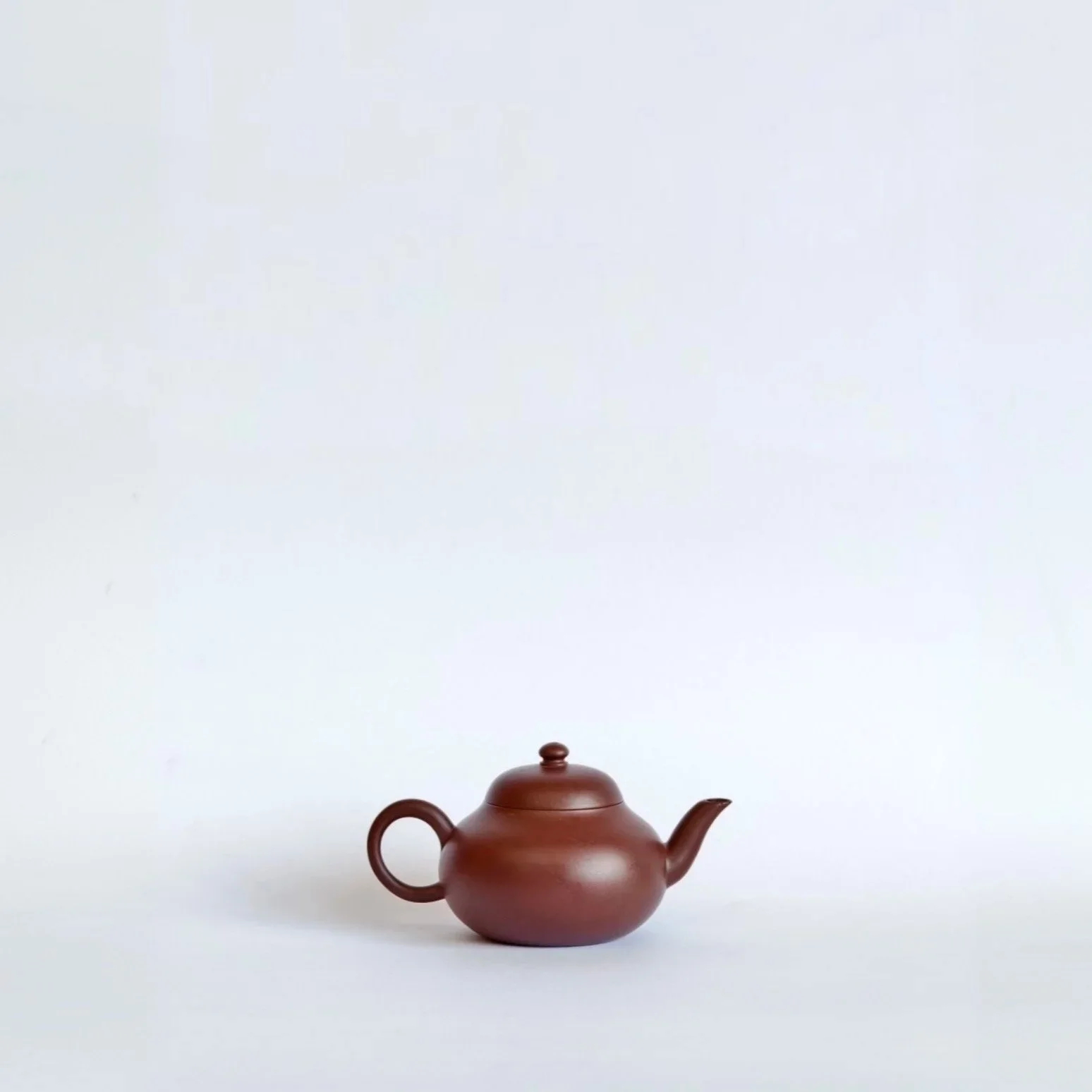
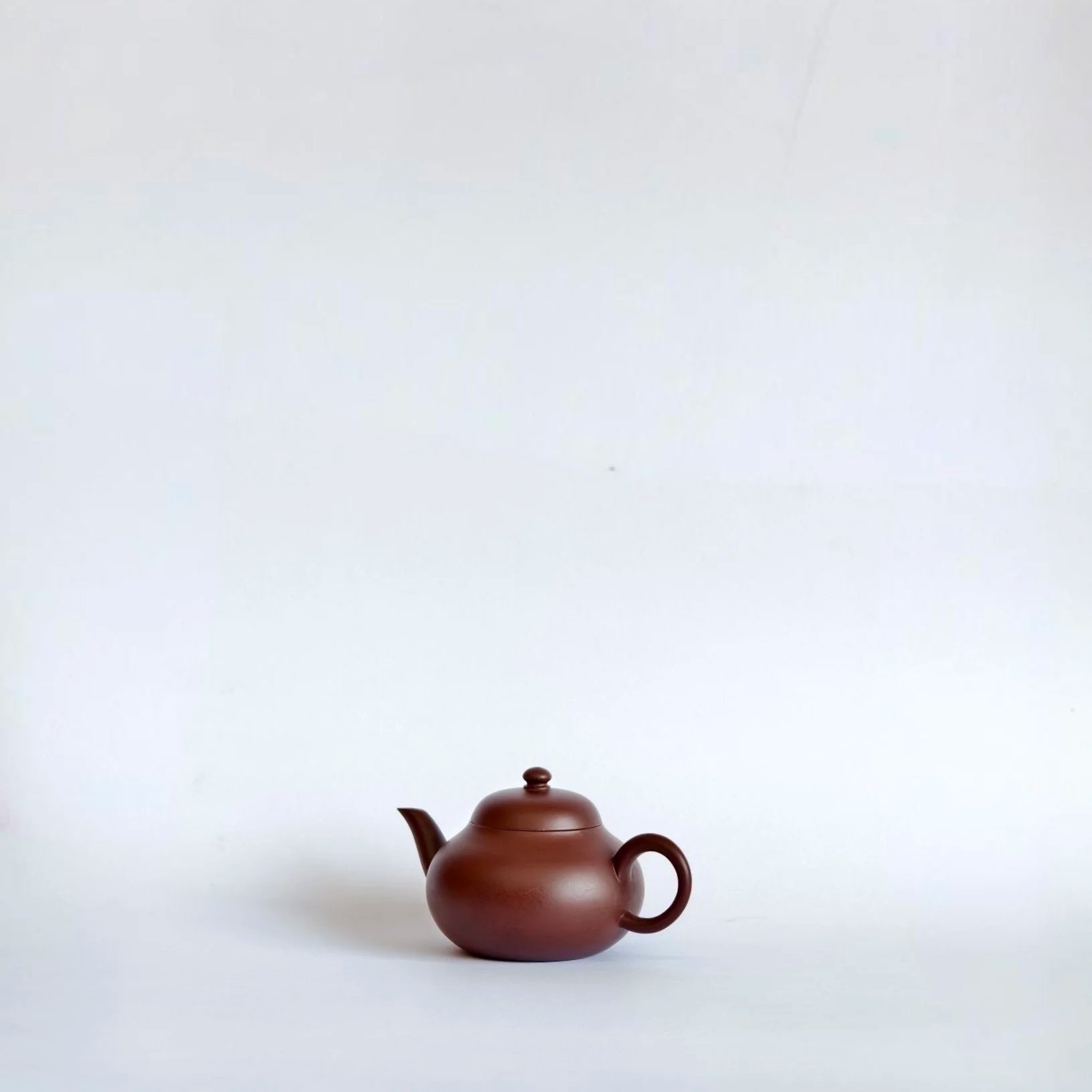
Yongchun Wild Old Bush Shuixian - 50g
Origin
This tea comes from the White Stork Mountain region in central Yongchun, Fujian, at an elevation of approximately 800 metres.
The tea trees were planted more than eighty years ago and have remained largely untouched for decades.
Hidden within native woodland, they grow among grasses, shrubs, and forest trees, shaped by the mountain rather than by human hands.
Today, they stand as living remnants of an older tea landscape.
A Forgotten Tea Forest
Minnan Narcissus was once the most widely planted tea variety in Yongchun.
From the late Qing Dynasty through much of the twentieth century, it was exported throughout Southeast Asia and was considered one of the defining teas of Southern Fujian.
As cultivation shifted toward Tieguanyin and Fo Shou tea, many mountain Narcissus gardens were gradually abandoned.
Over the following sixty years, these tea trees returned to the forest.
Without pruning, fertilising, or human intervention, they adapted to life among native vegetation and developed into what is now known as wild old-bush tea.
This tea forest is one of those rare survivors.
Harvest
Harvest takes place only once each spring.
The picking season is brief, often lasting little more than a week between mountain rains.
The yield is naturally limited.
This lot comes from the first harvest of the season, picked on 30 April 2023.
The leaves were selected from the most tender growth of the old trees, including young buds rich in amino acids and covered in fine silver hairs.
Only a small quantity was produced.
Craft & Roasting
The leaves contain buds, half-open leaves, and mature leaves simultaneously, making every stage of processing exceptionally demanding.
To preserve the tea's original ecological character, the tea was slowly roasted over four separate stages, each followed by months of resting and transformation.
The process allows the tea to settle naturally while deepening its structure, sweetness, and aromatic complexity.
The result is a tea that remains faithful to the mountain while revealing remarkable depth and clarity.
In the Cup
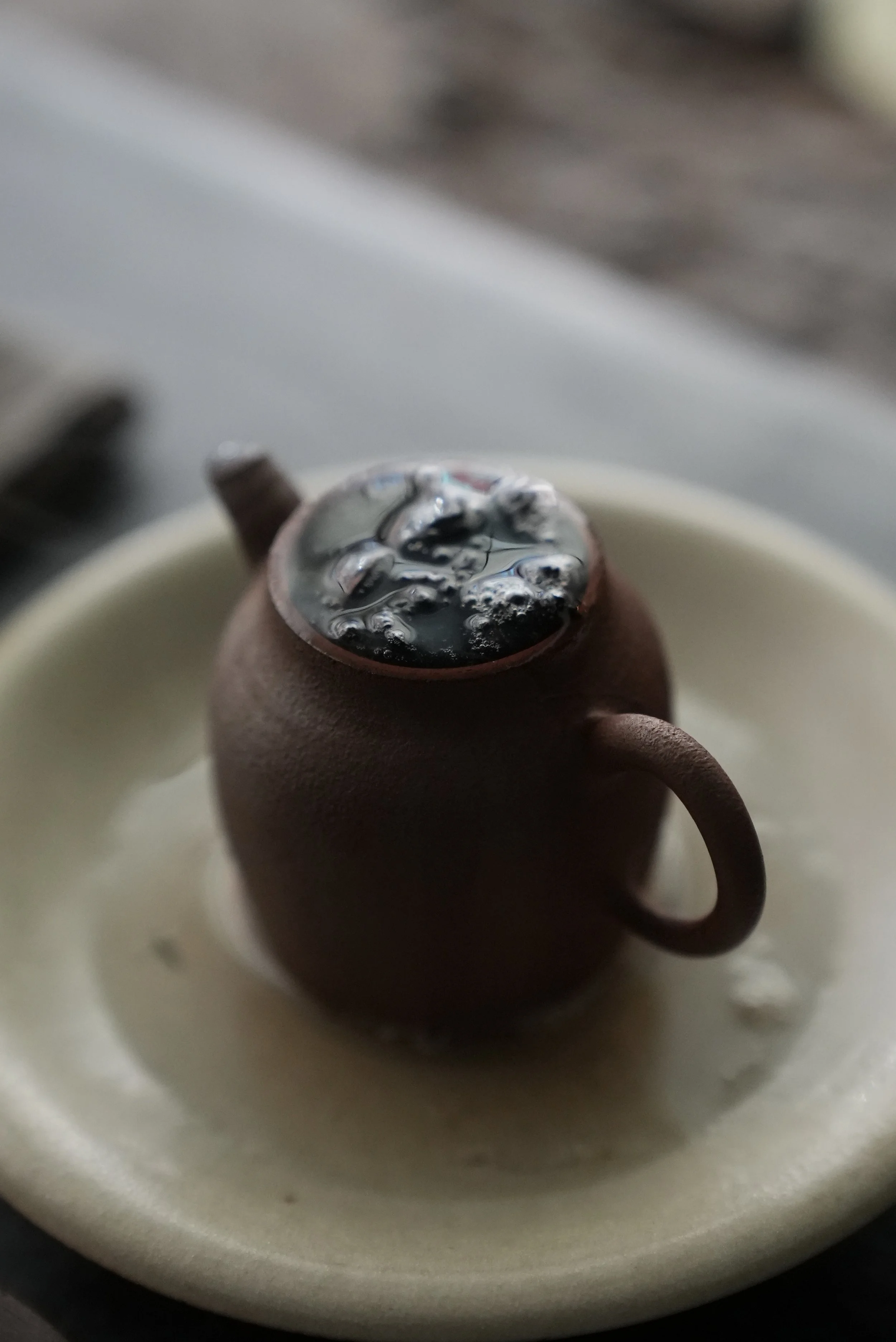
The first infusions reveal the unmistakable energy of the mountain:
wild, mineral, and deeply alive.
As the tea opens, delicate floral notes begin to emerge.
By the middle infusions, the woody character of the old trees becomes increasingly apparent.
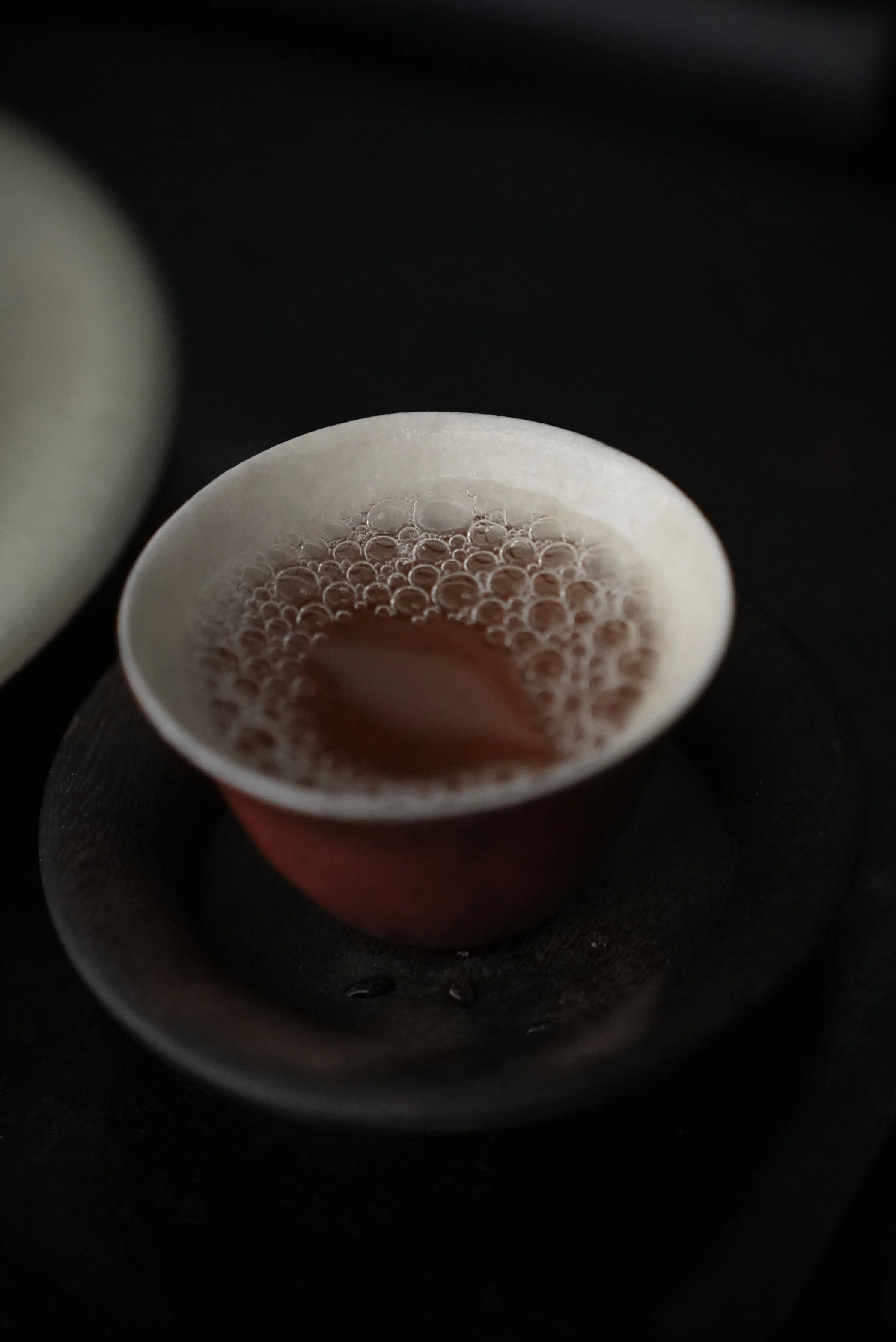
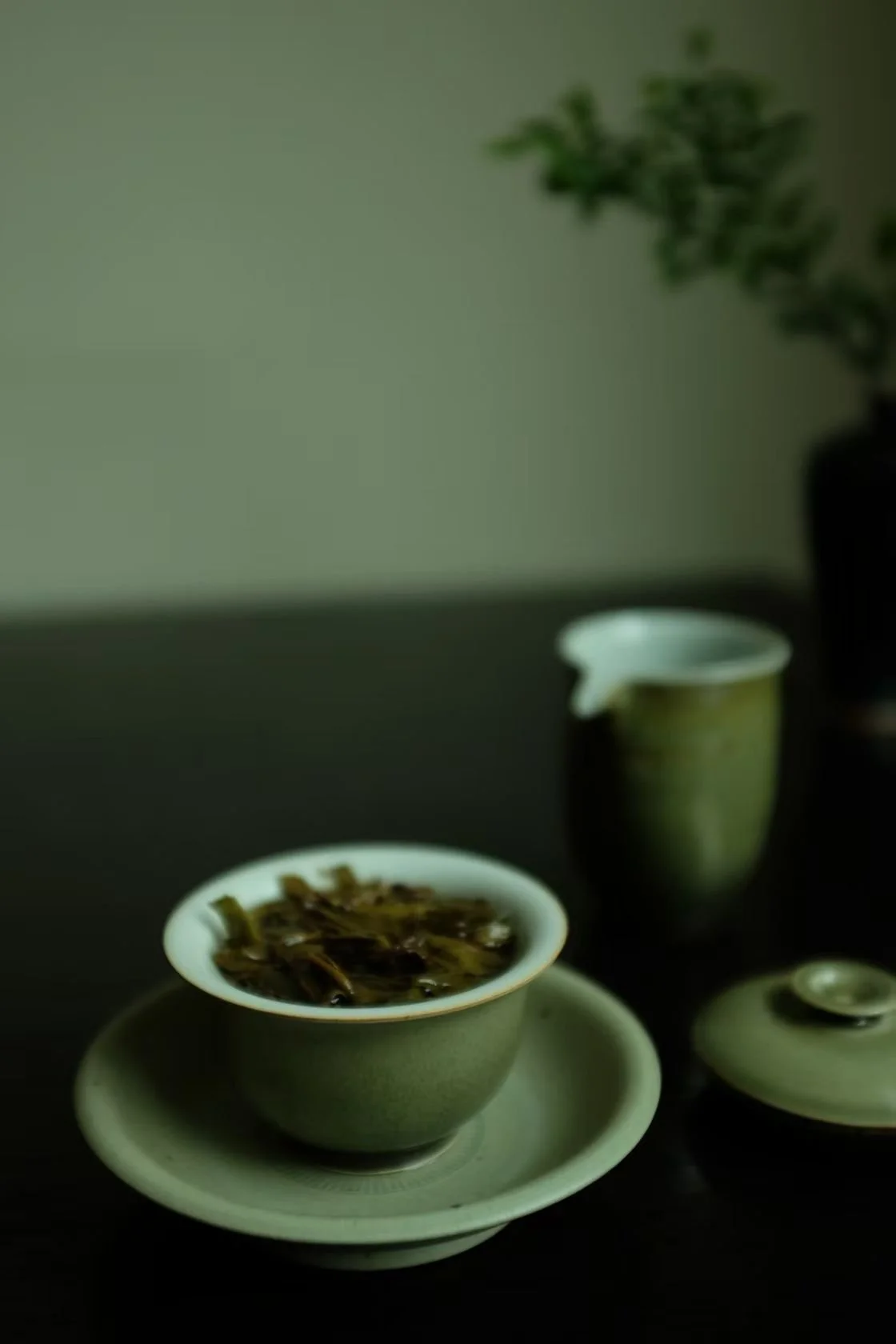
Further on, the liquor returns to a bright sweetness, carrying notes of flowers, fruit, forest air, and lingering mountain fragrance.
Even after many infusions, the tea remains clear, expressive, and enduring.
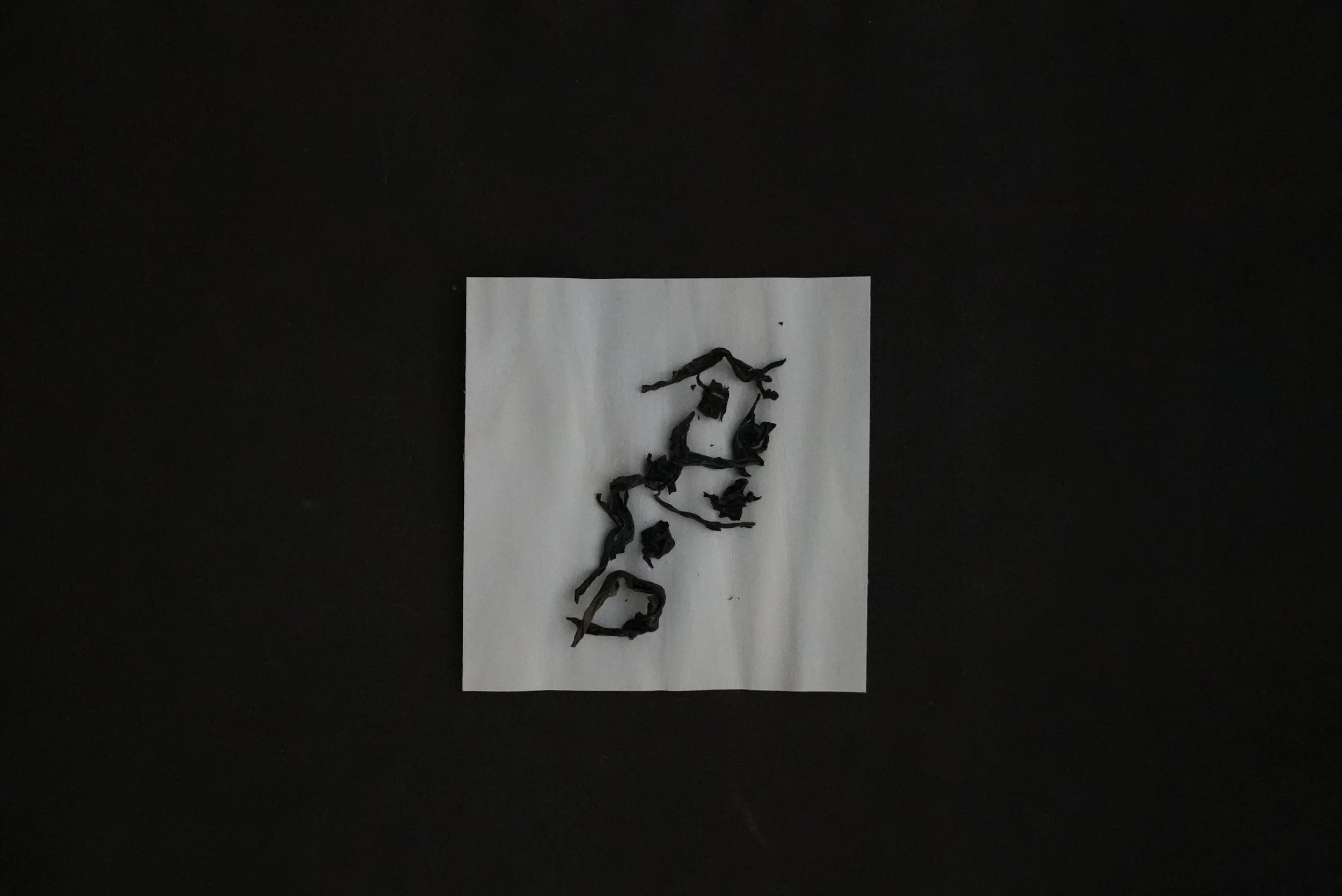
The scent of the leaves recalls damp earth, old wood, and the quiet atmosphere of the forest after rain.
Return to the Forest
Not every return is a movement backward.
Some returns bring us closer to our original nature.
These tea trees were once cultivated by generations of farmers.
Then they were forgotten.
Over decades, the forest reclaimed them.
Roots deepened.
Branches widened.
The tea trees learned once again how to live among other living things.
This tea carries that memory.
A fragrance of wild flowers.
The quiet sweetness of old wood.
The breath of the mountain after rain.
Yongchun Wild Old Bush Shuixian - 50g
Origin
This tea comes from the White Stork Mountain region in central Yongchun, Fujian, at an elevation of approximately 800 metres.
The tea trees were planted more than eighty years ago and have remained largely untouched for decades.
Hidden within native woodland, they grow among grasses, shrubs, and forest trees, shaped by the mountain rather than by human hands.
Today, they stand as living remnants of an older tea landscape.
A Forgotten Tea Forest
Minnan Narcissus was once the most widely planted tea variety in Yongchun.
From the late Qing Dynasty through much of the twentieth century, it was exported throughout Southeast Asia and was considered one of the defining teas of Southern Fujian.
As cultivation shifted toward Tieguanyin and Fo Shou tea, many mountain Narcissus gardens were gradually abandoned.
Over the following sixty years, these tea trees returned to the forest.
Without pruning, fertilising, or human intervention, they adapted to life among native vegetation and developed into what is now known as wild old-bush tea.
This tea forest is one of those rare survivors.
Harvest
Harvest takes place only once each spring.
The picking season is brief, often lasting little more than a week between mountain rains.
The yield is naturally limited.
This lot comes from the first harvest of the season, picked on 30 April 2023.
The leaves were selected from the most tender growth of the old trees, including young buds rich in amino acids and covered in fine silver hairs.
Only a small quantity was produced.
Craft & Roasting
The leaves contain buds, half-open leaves, and mature leaves simultaneously, making every stage of processing exceptionally demanding.
To preserve the tea's original ecological character, the tea was slowly roasted over four separate stages, each followed by months of resting and transformation.
The process allows the tea to settle naturally while deepening its structure, sweetness, and aromatic complexity.
The result is a tea that remains faithful to the mountain while revealing remarkable depth and clarity.
In the Cup
The first infusions reveal the unmistakable energy of the mountain:
wild, mineral, and deeply alive.
As the tea opens, delicate floral notes begin to emerge.
By the middle infusions, the woody character of the old trees becomes increasingly apparent.
Further on, the liquor returns to a bright sweetness, carrying notes of flowers, fruit, forest air, and lingering mountain fragrance.
Even after many infusions, the tea remains clear, expressive, and enduring.
The scent of the leaves recalls damp earth, old wood, and the quiet atmosphere of the forest after rain.
Return to the Forest
Not every return is a movement backward.
Some returns bring us closer to our original nature.
These tea trees were once cultivated by generations of farmers.
Then they were forgotten.
Over decades, the forest reclaimed them.
Roots deepened.
Branches widened.
The tea trees learned once again how to live among other living things.
This tea carries that memory.
A fragrance of wild flowers.
The quiet sweetness of old wood.
The breath of the mountain after rain.

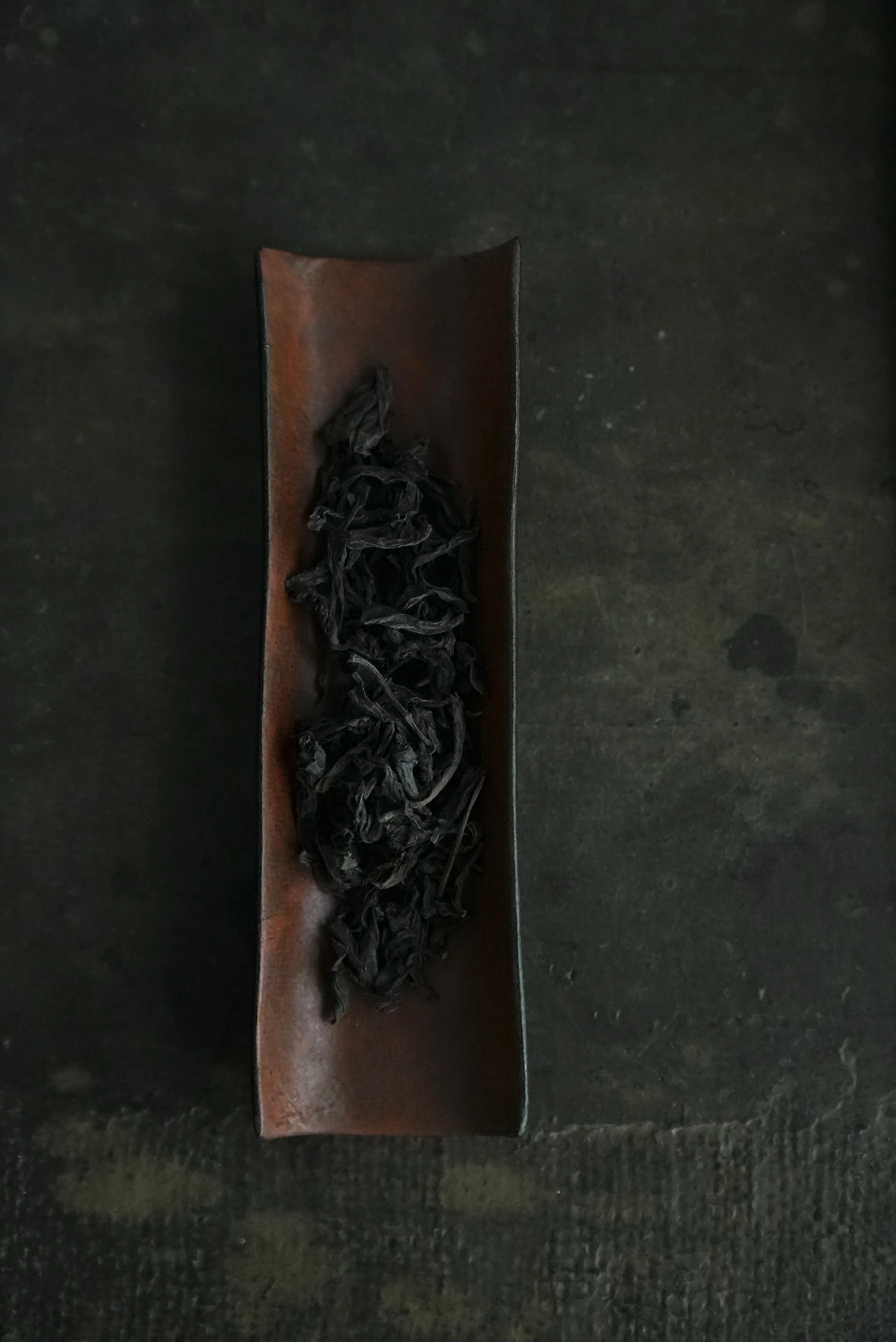 Image 1 of 6
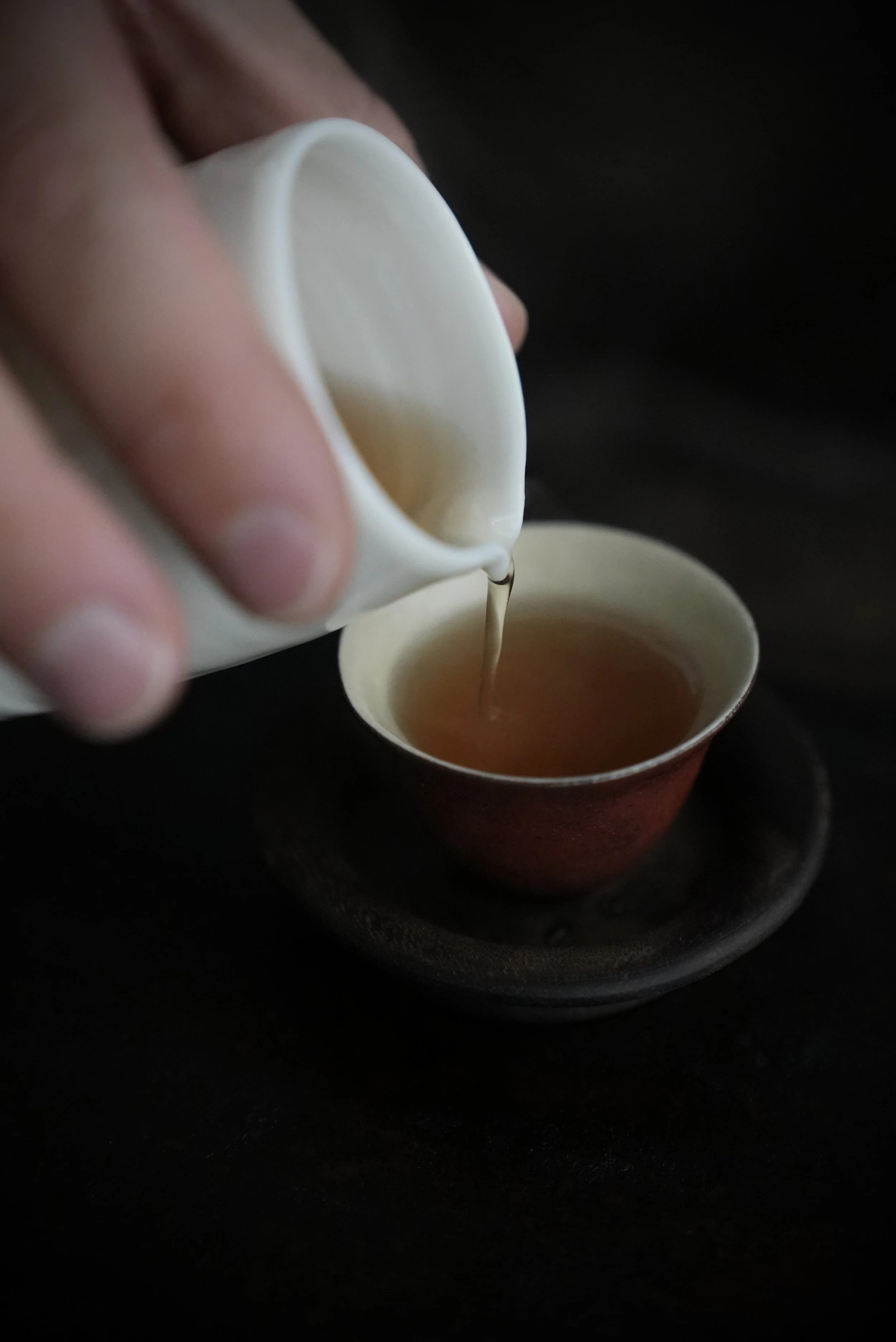 Image 2 of 6
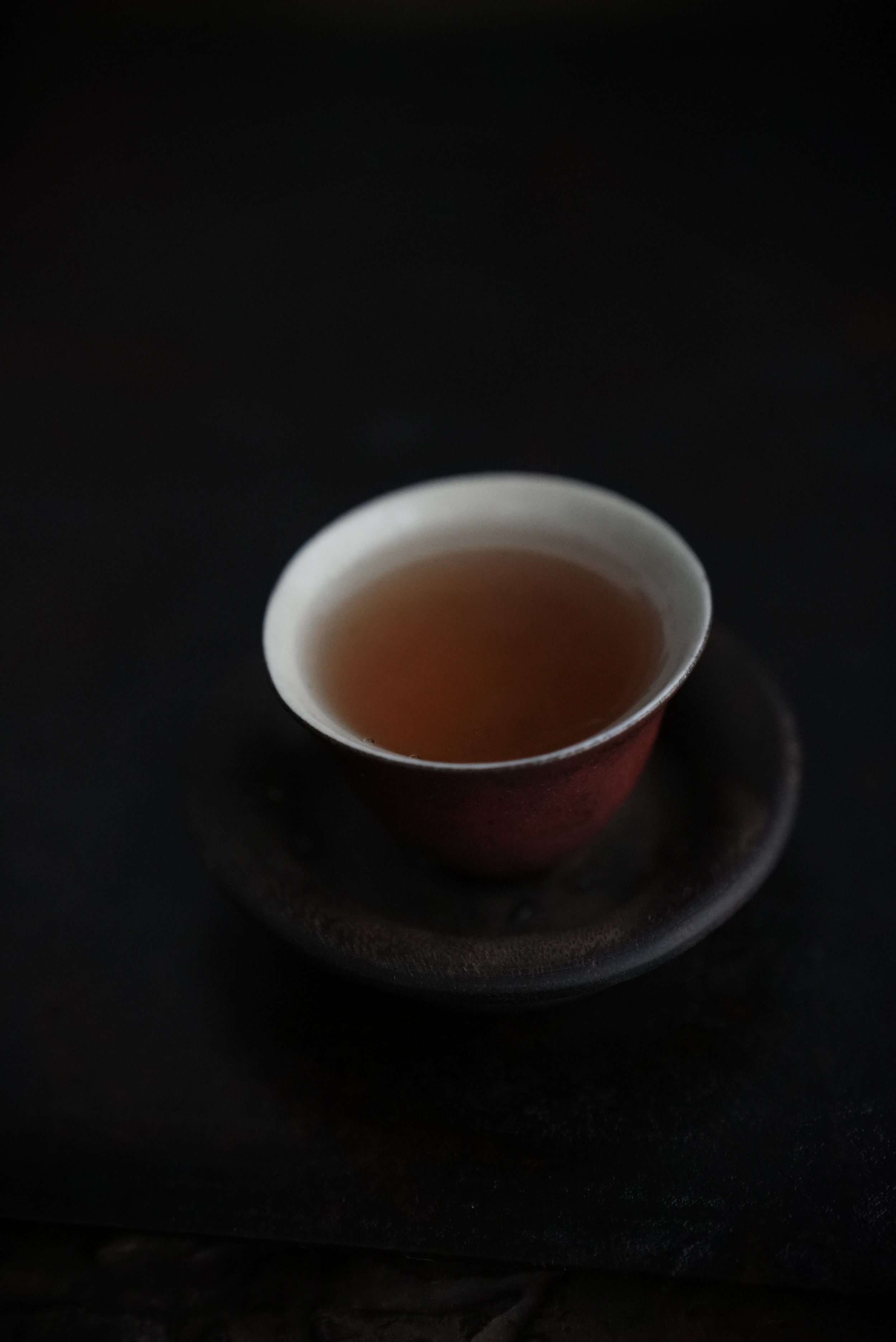 Image 3 of 6