 Image 1 of 1
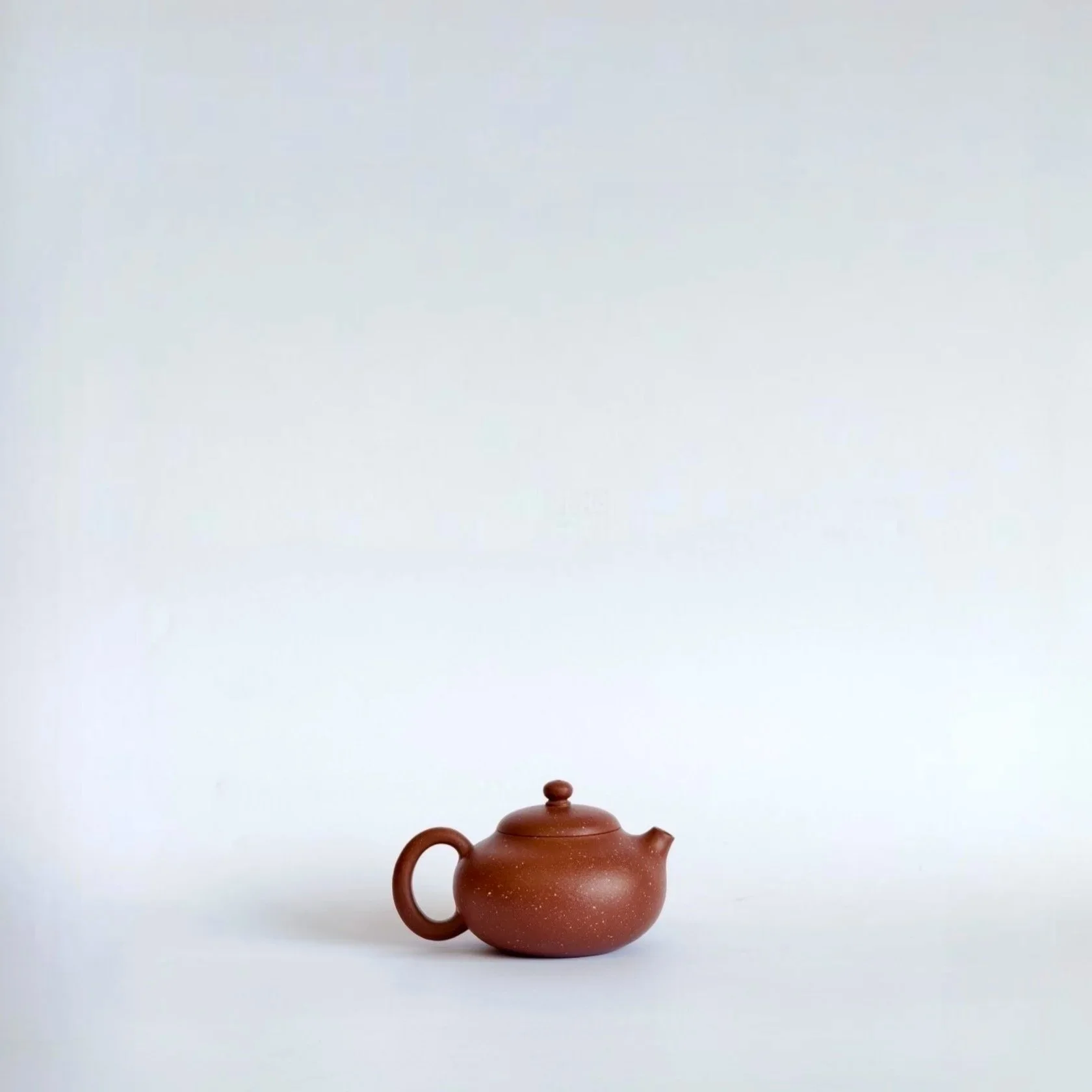
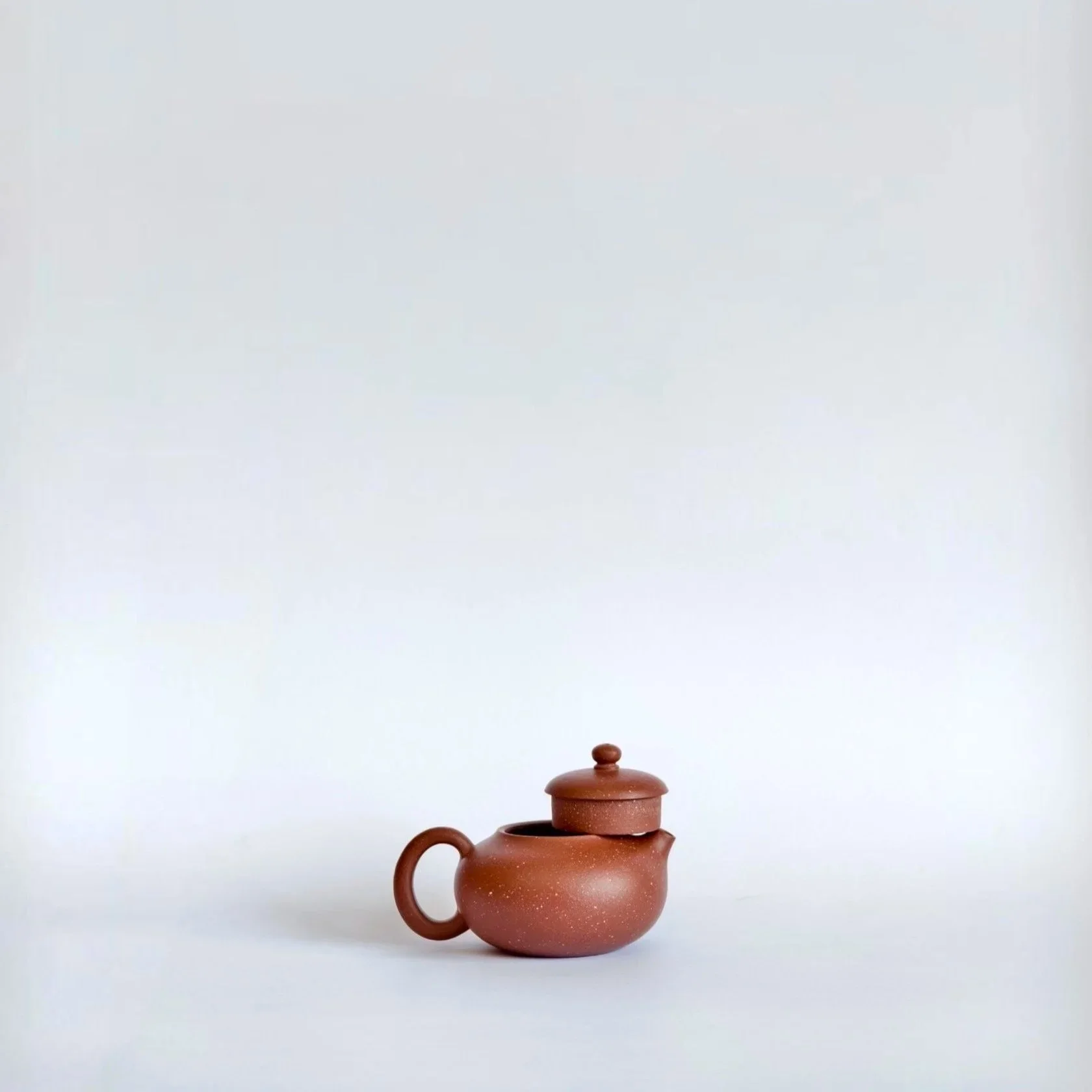
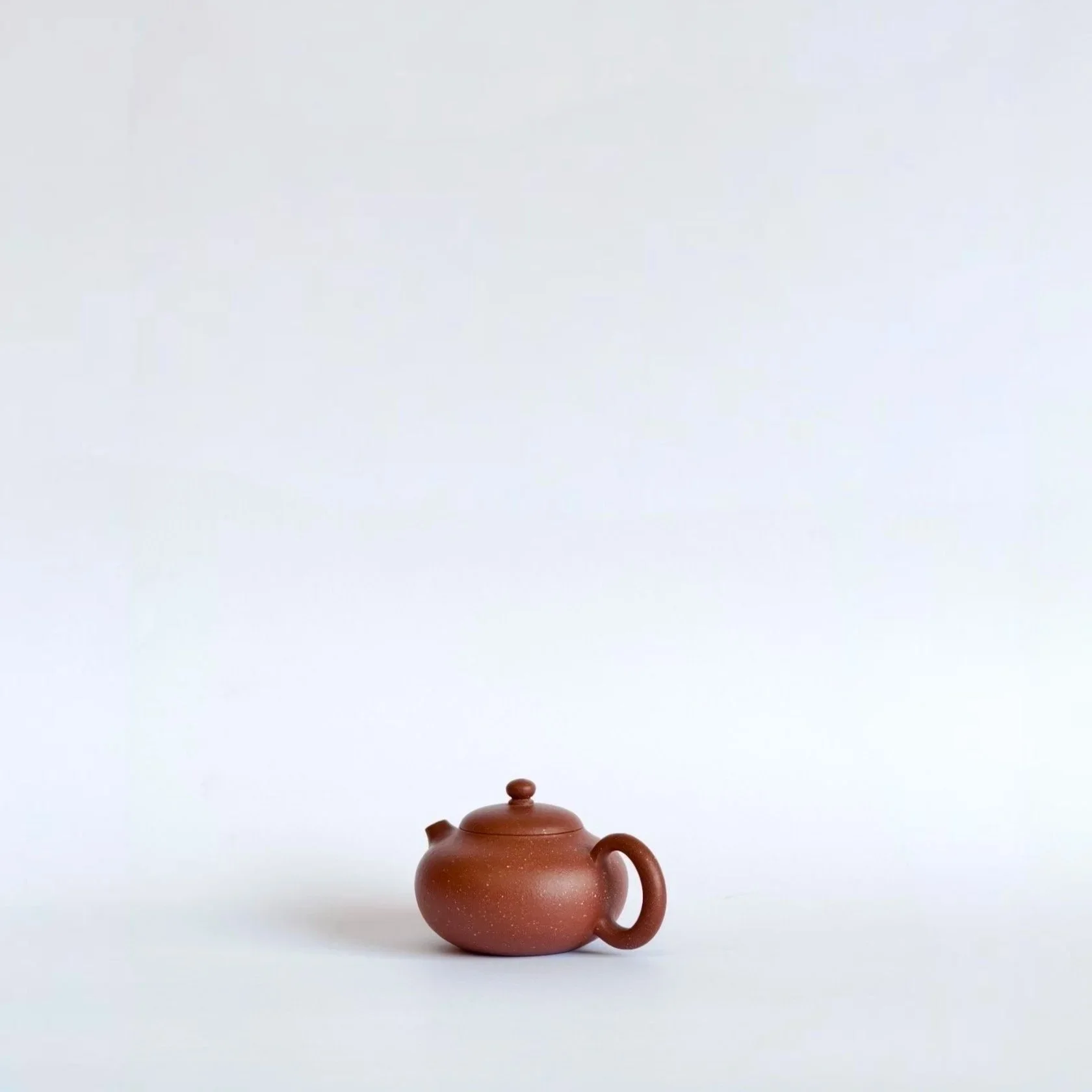
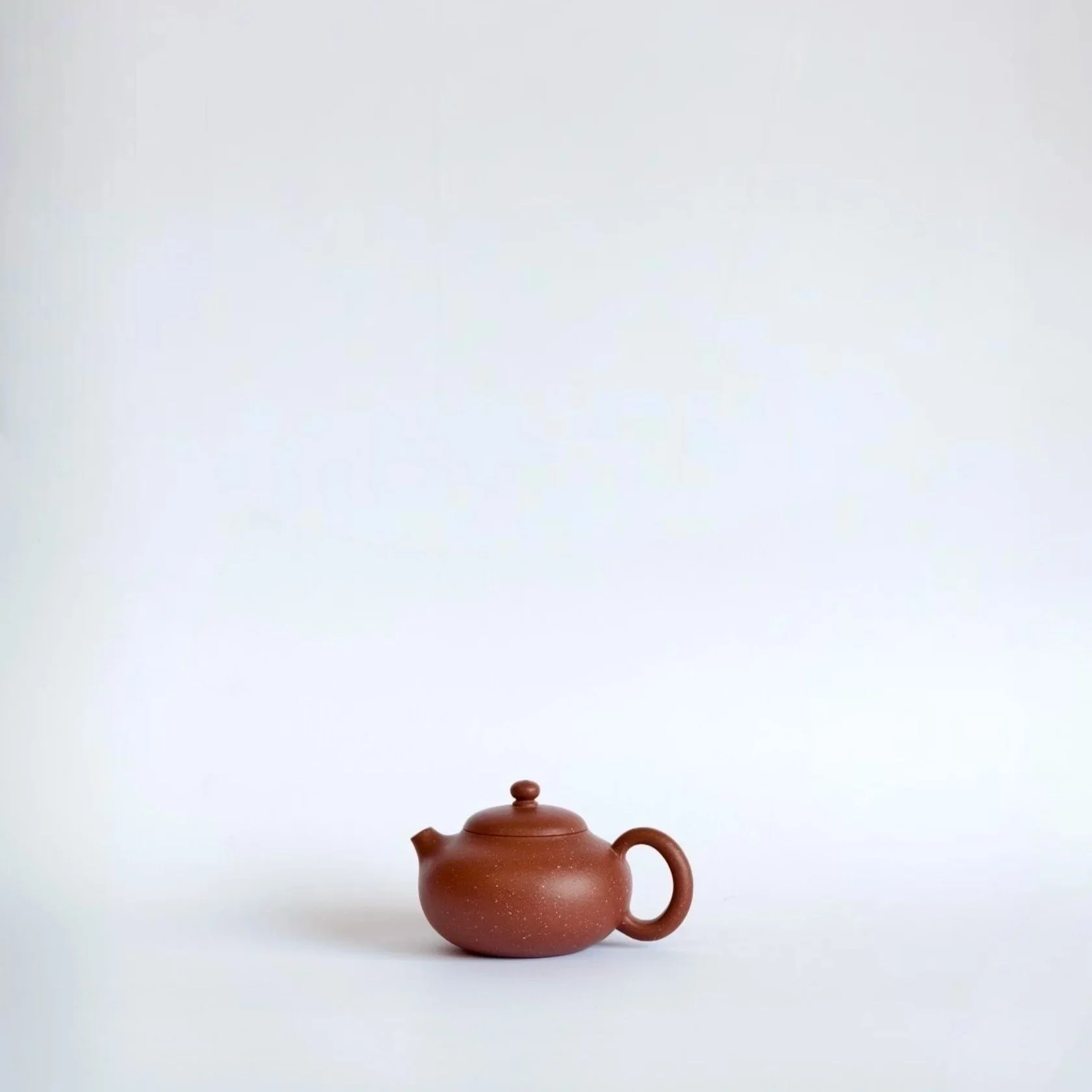
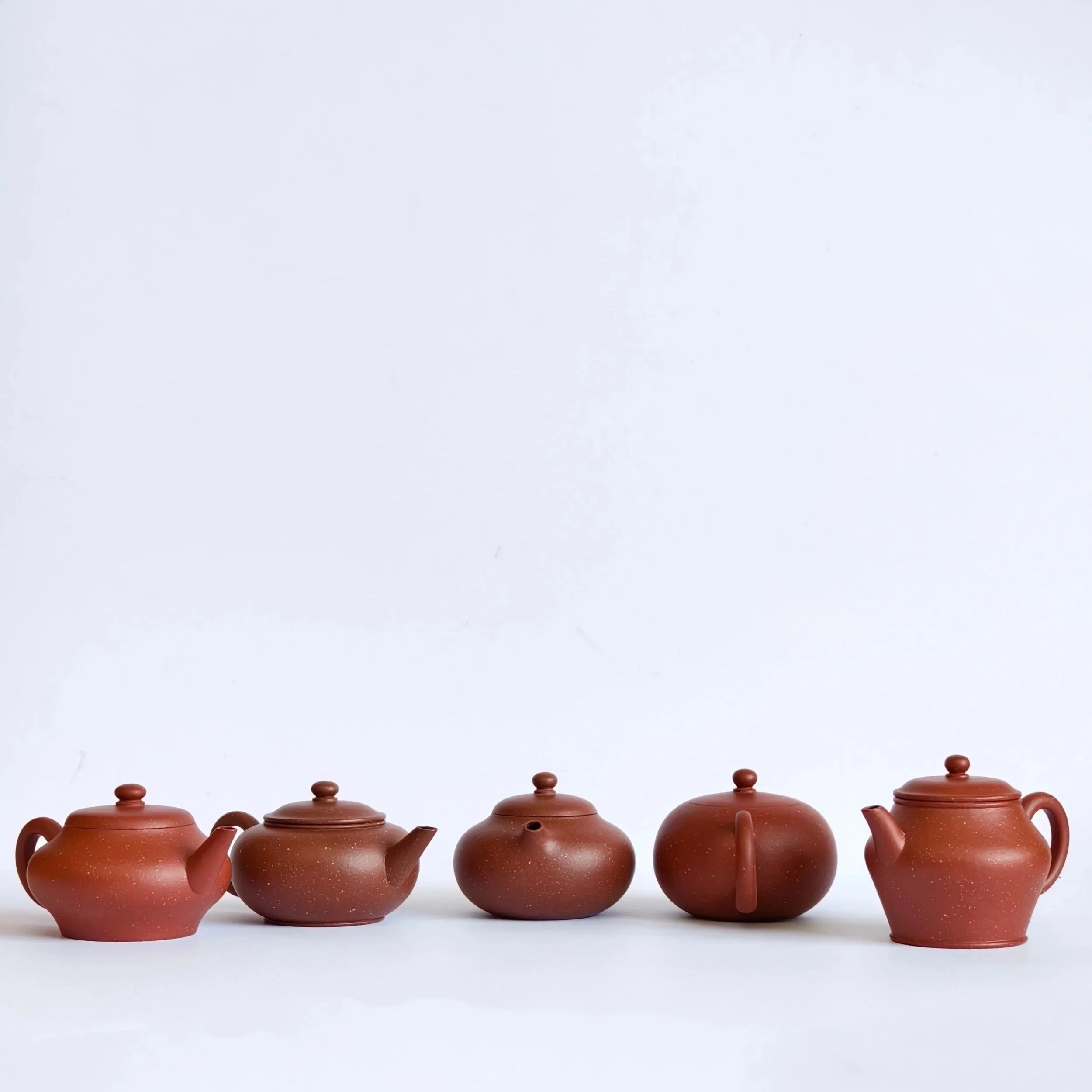
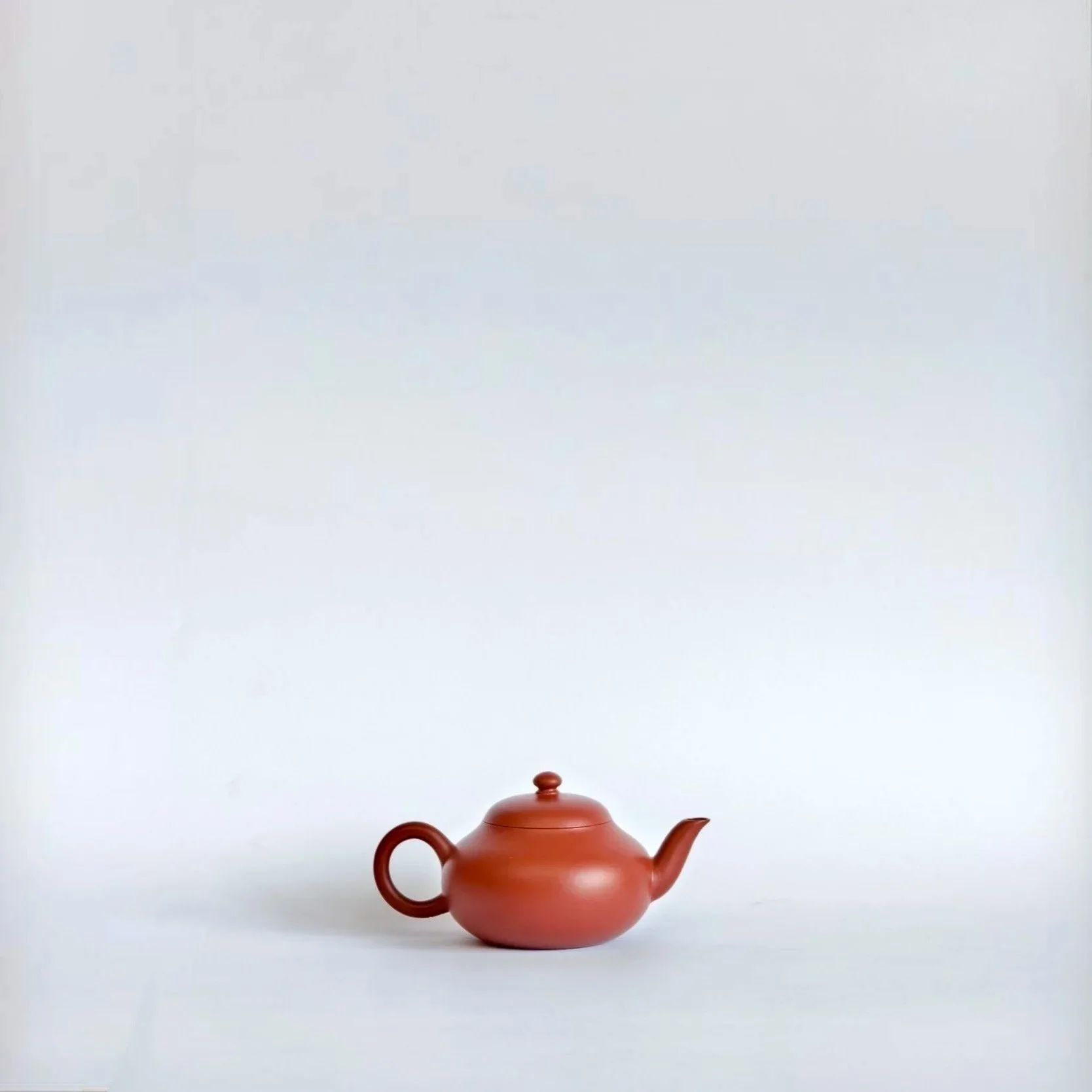
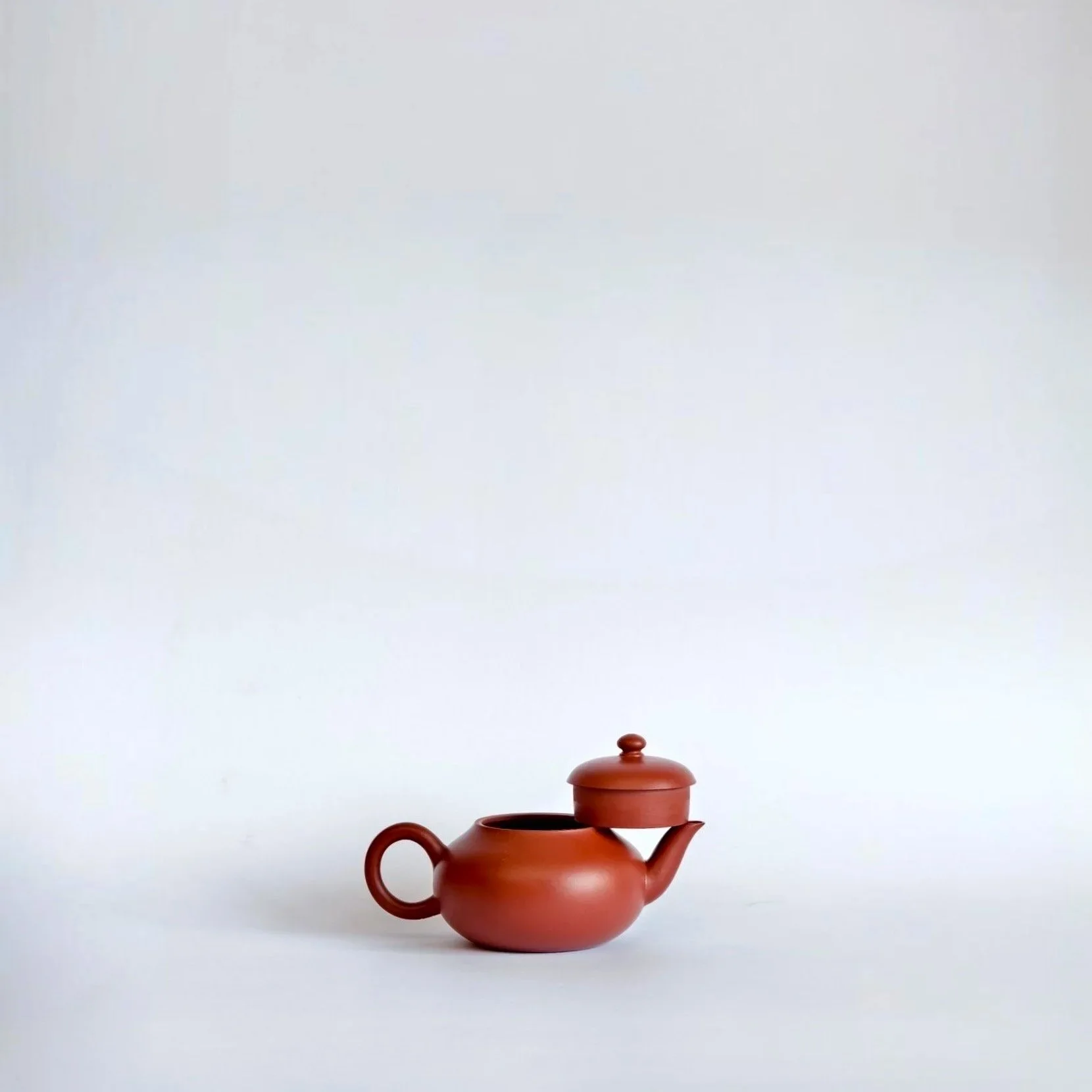
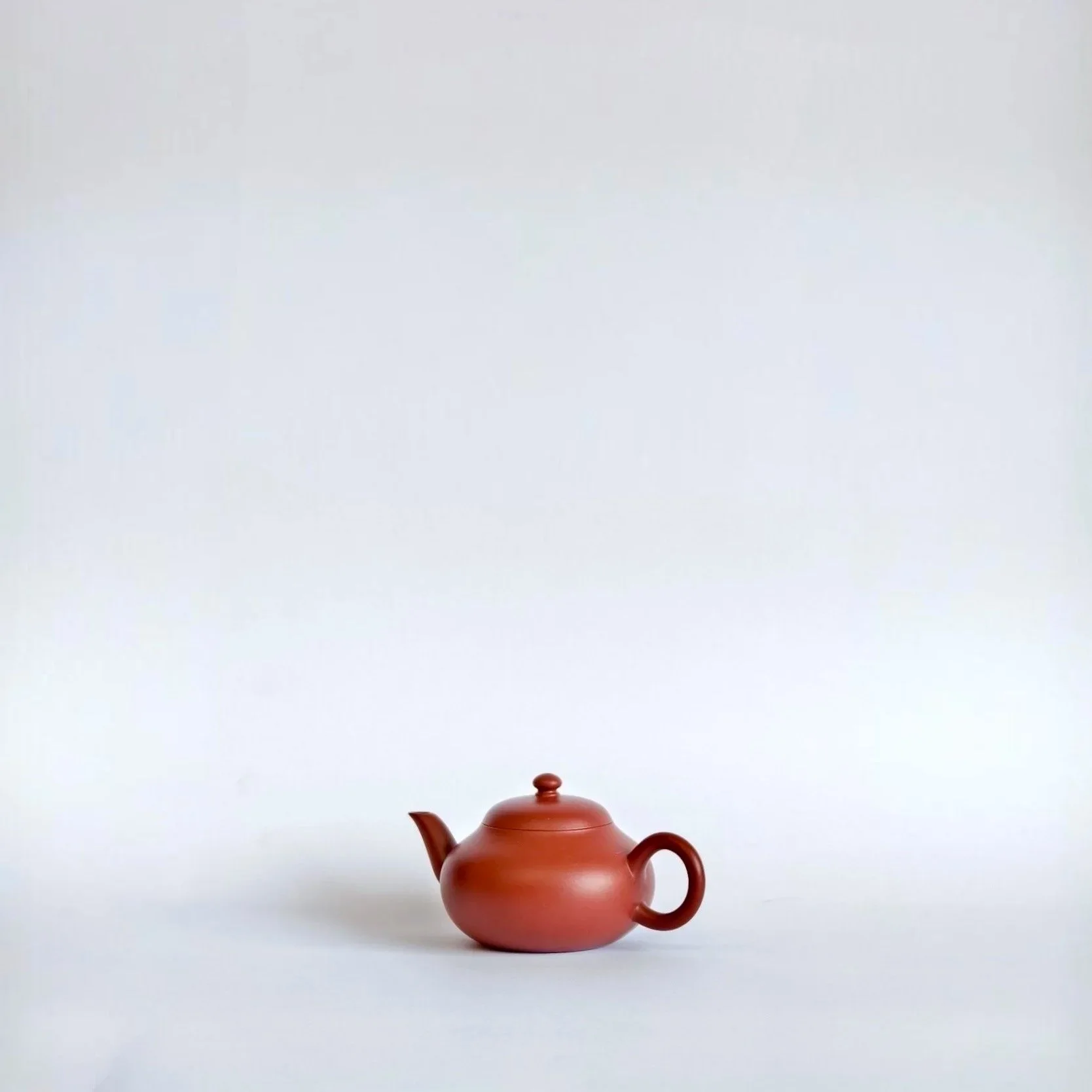
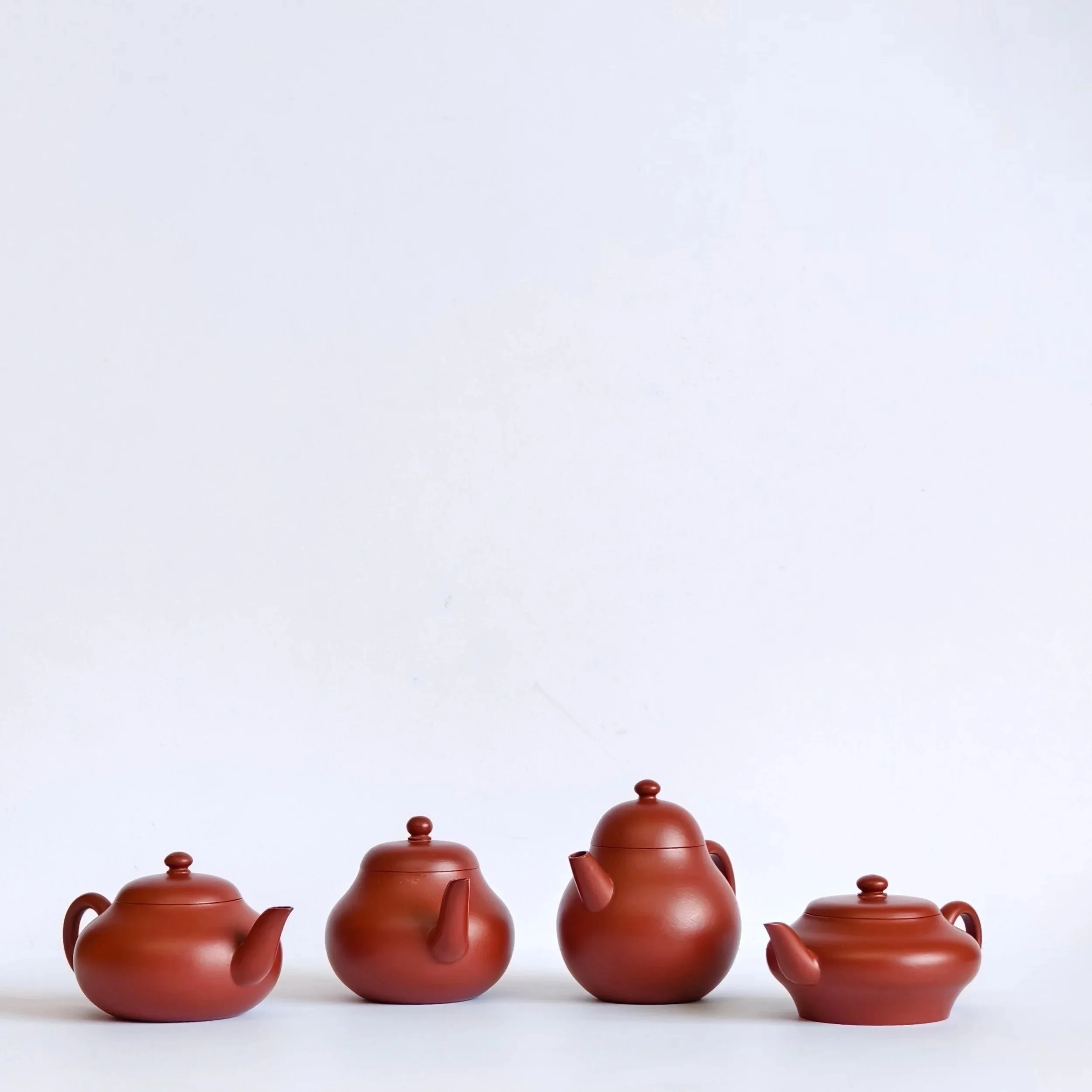
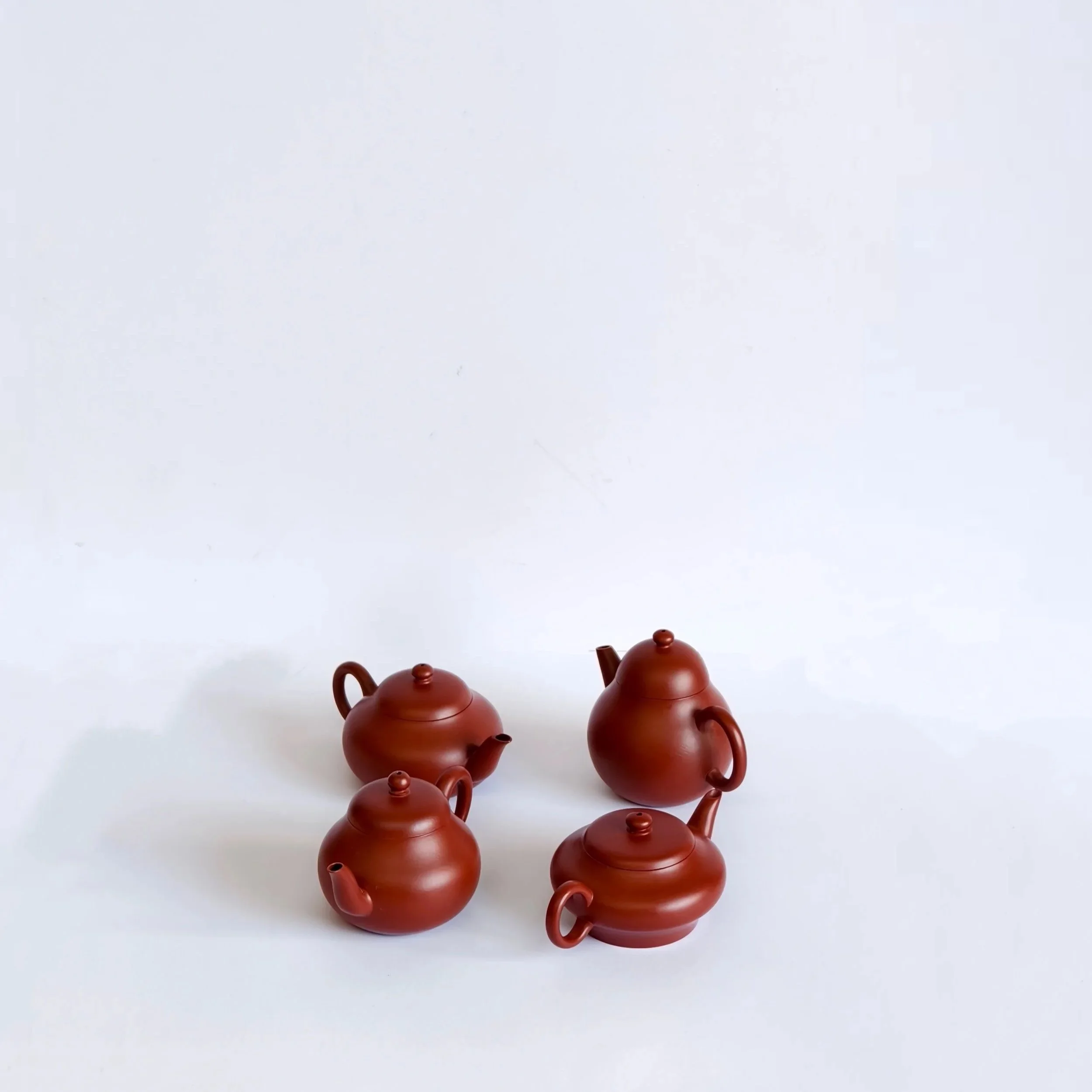
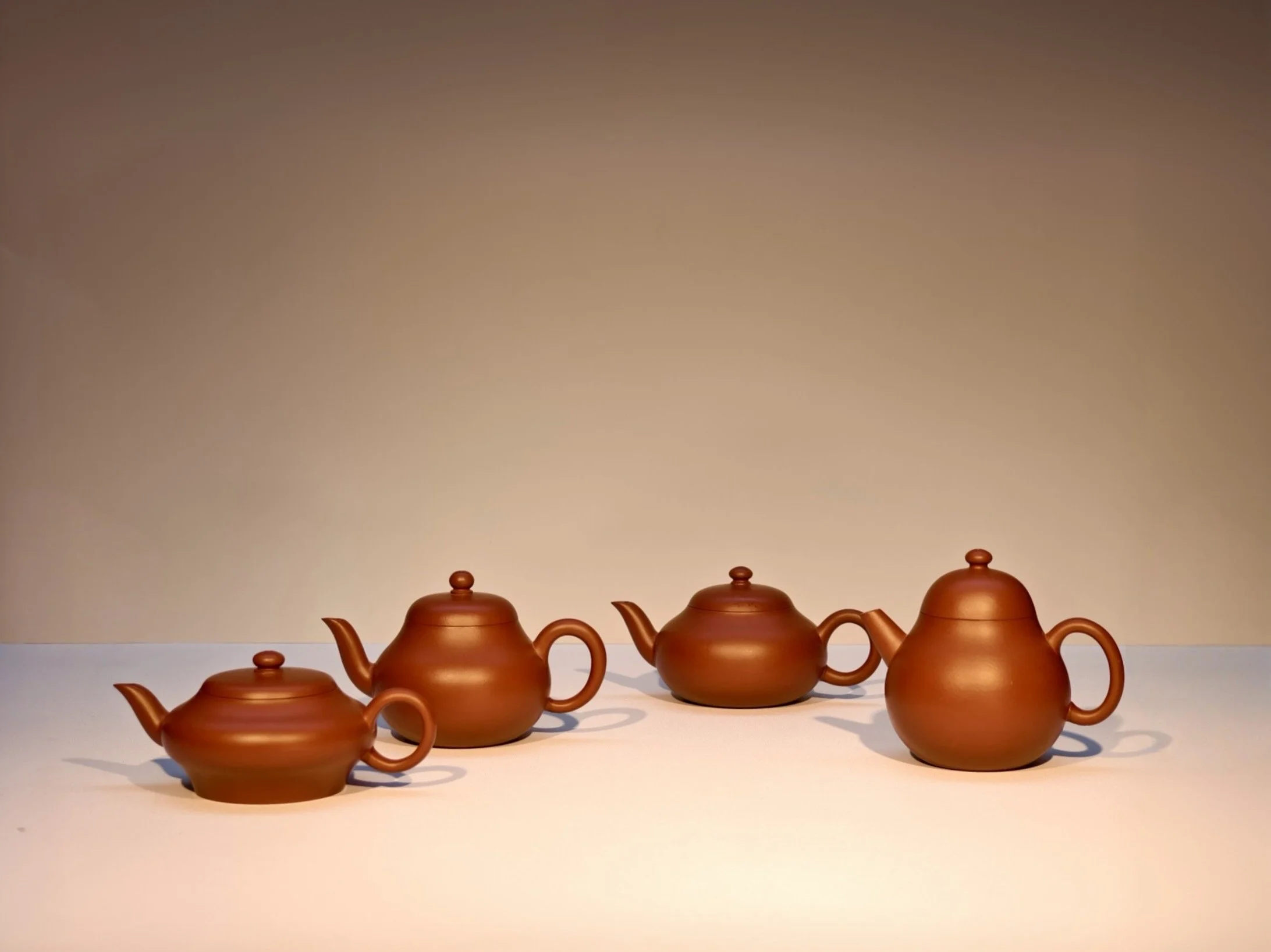
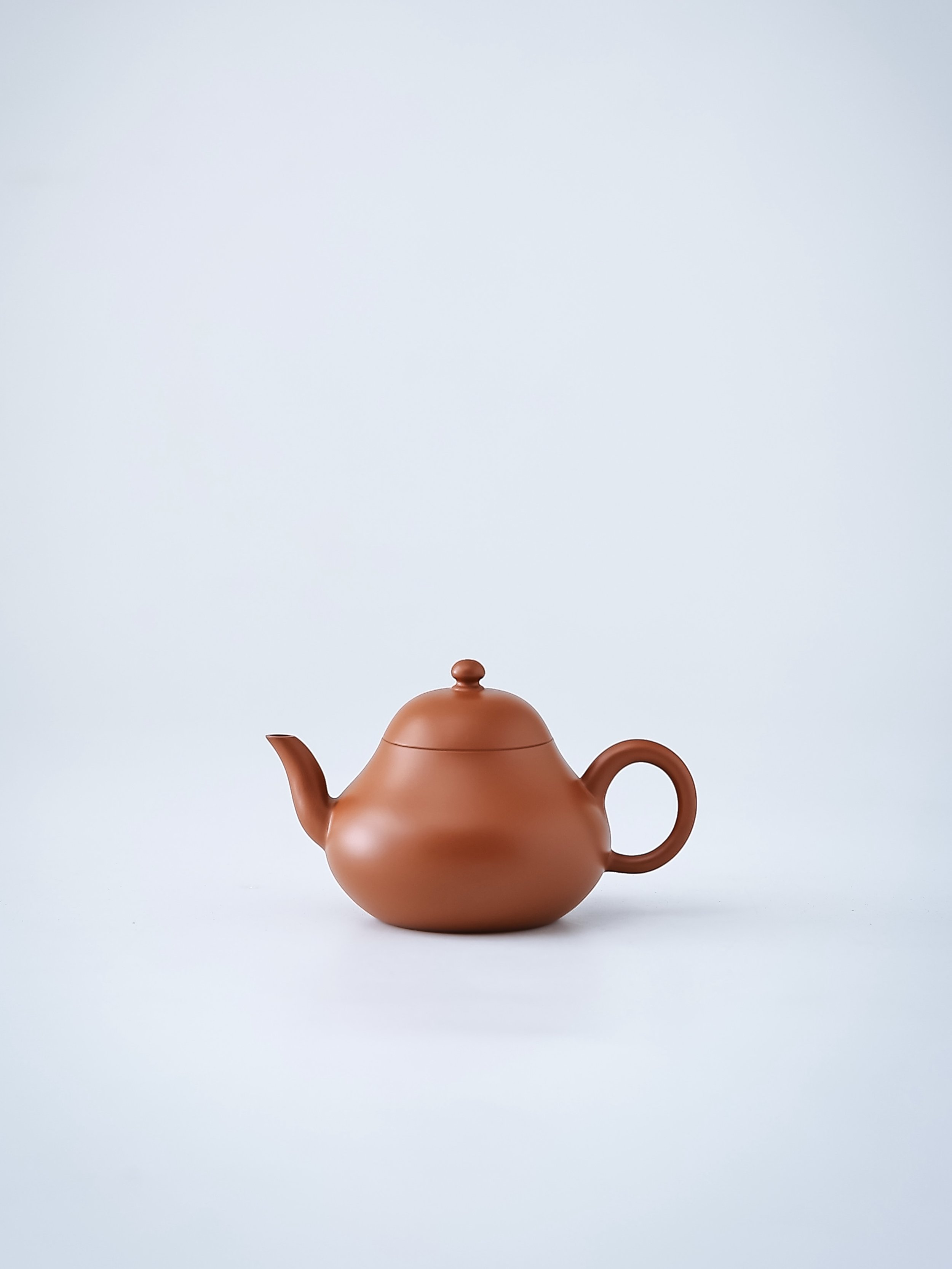
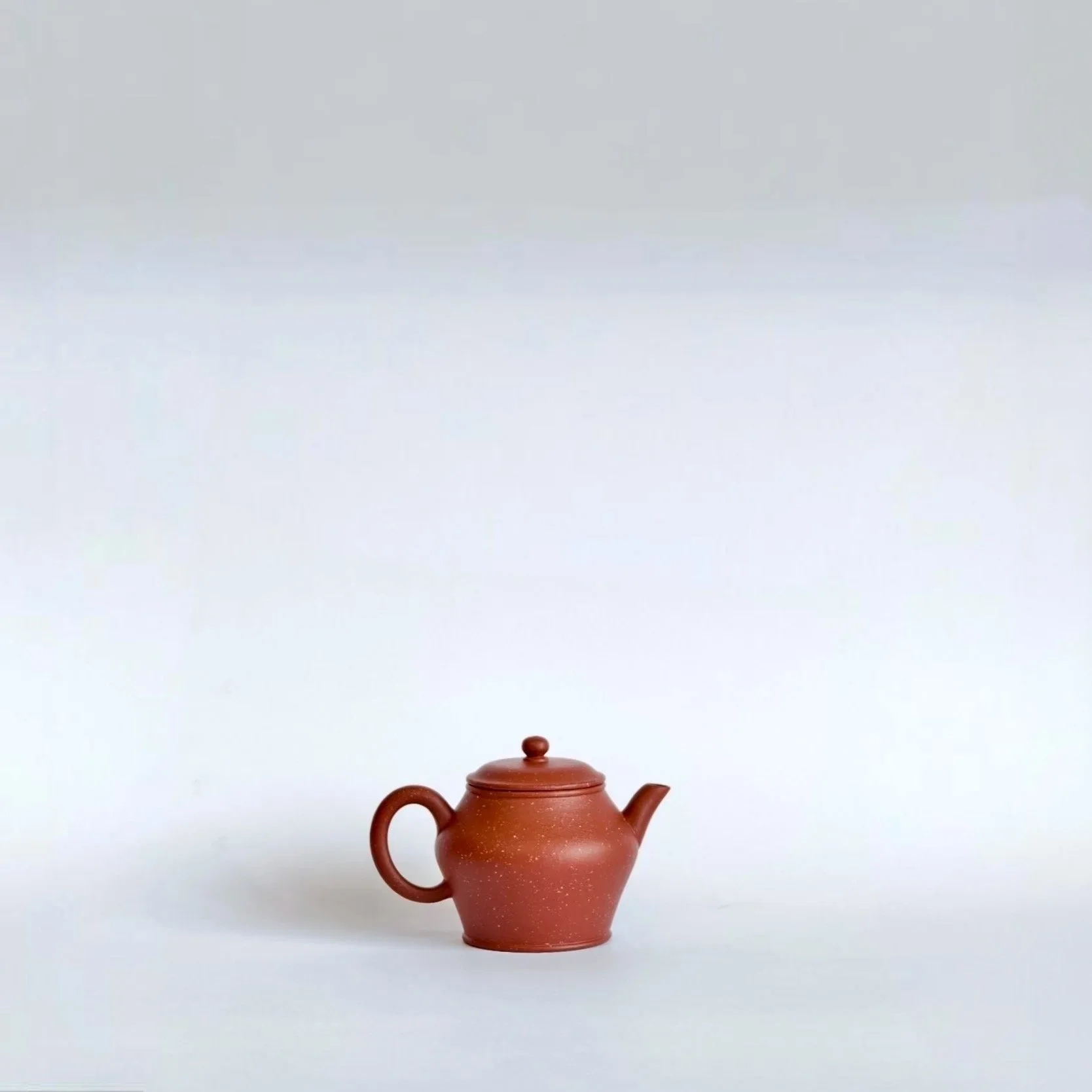
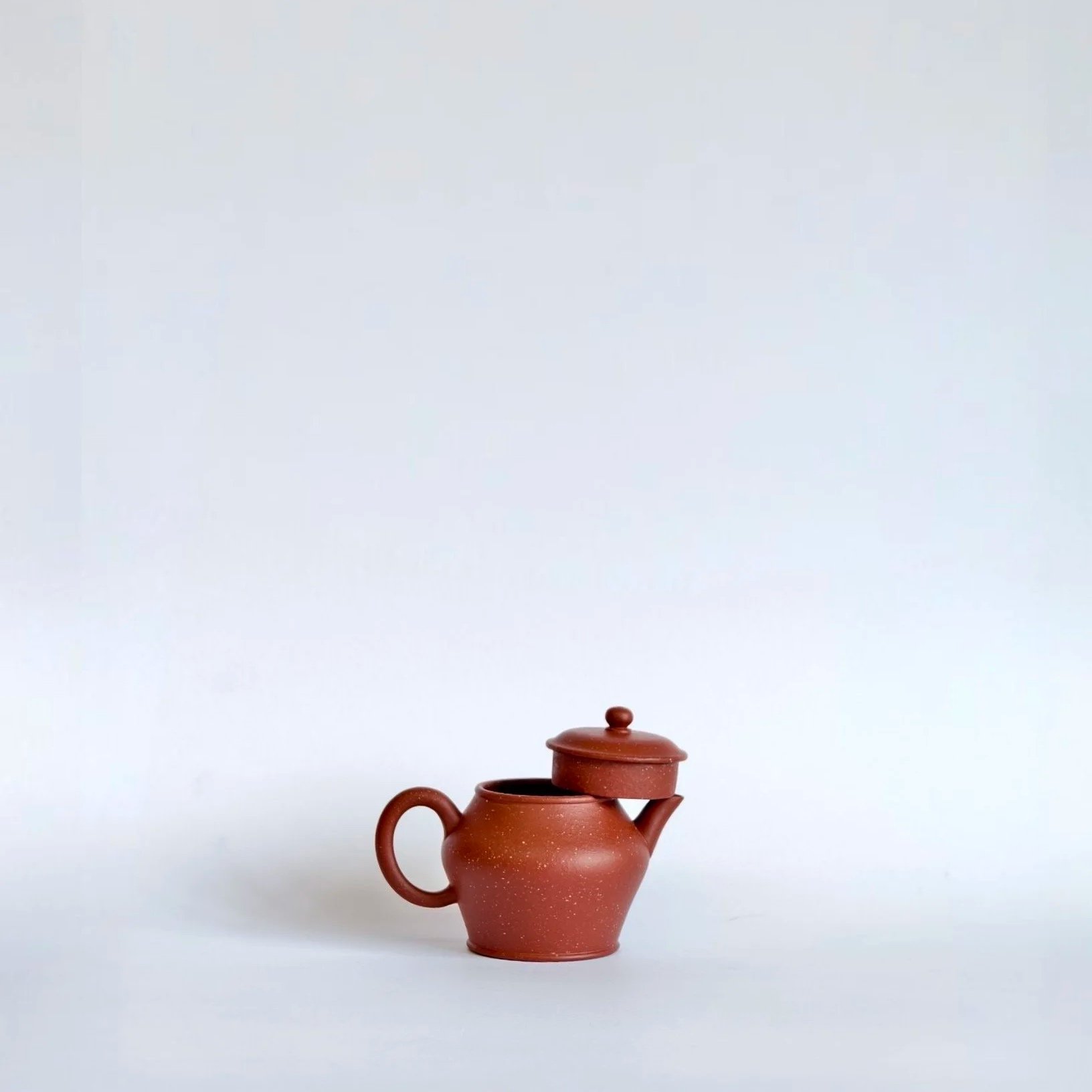
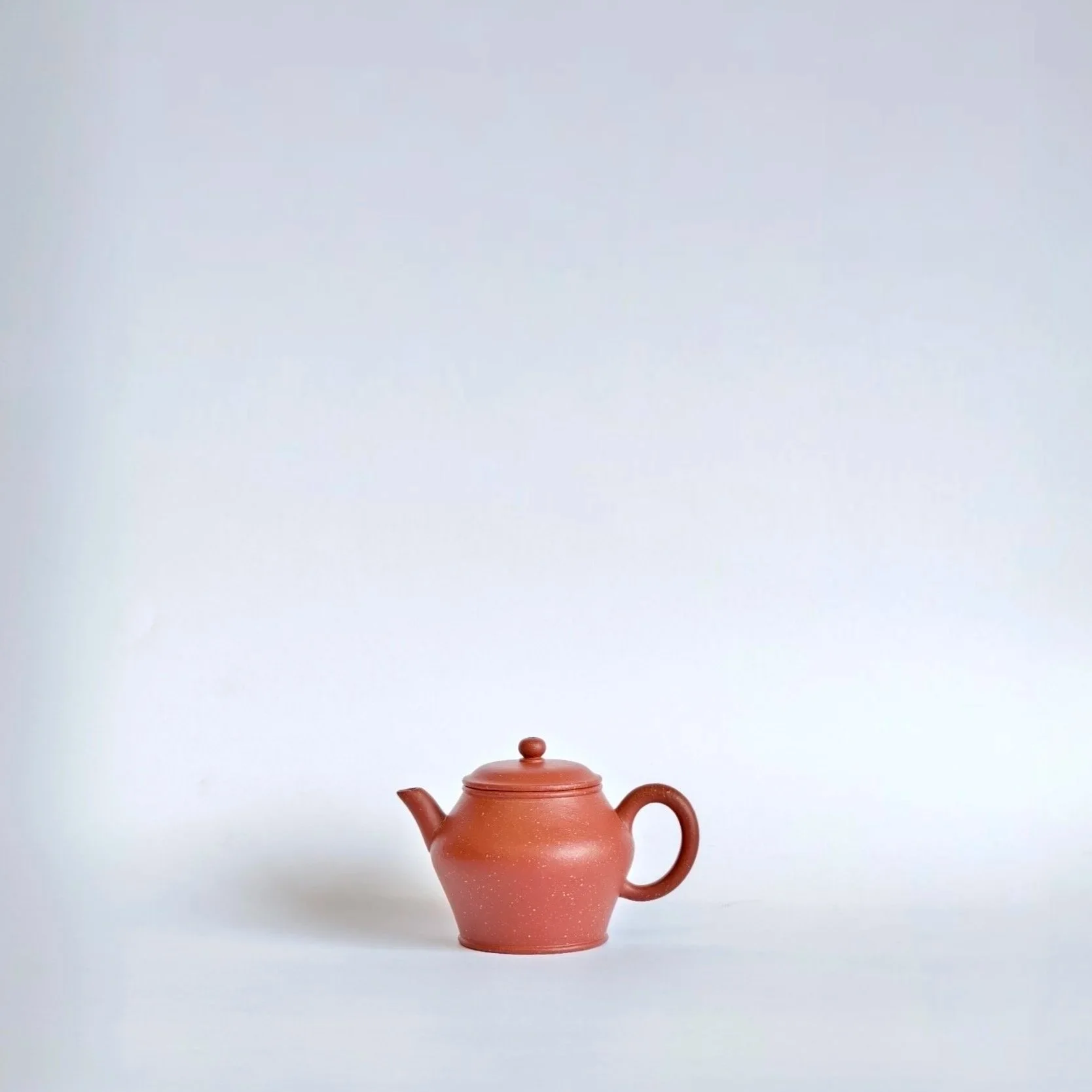
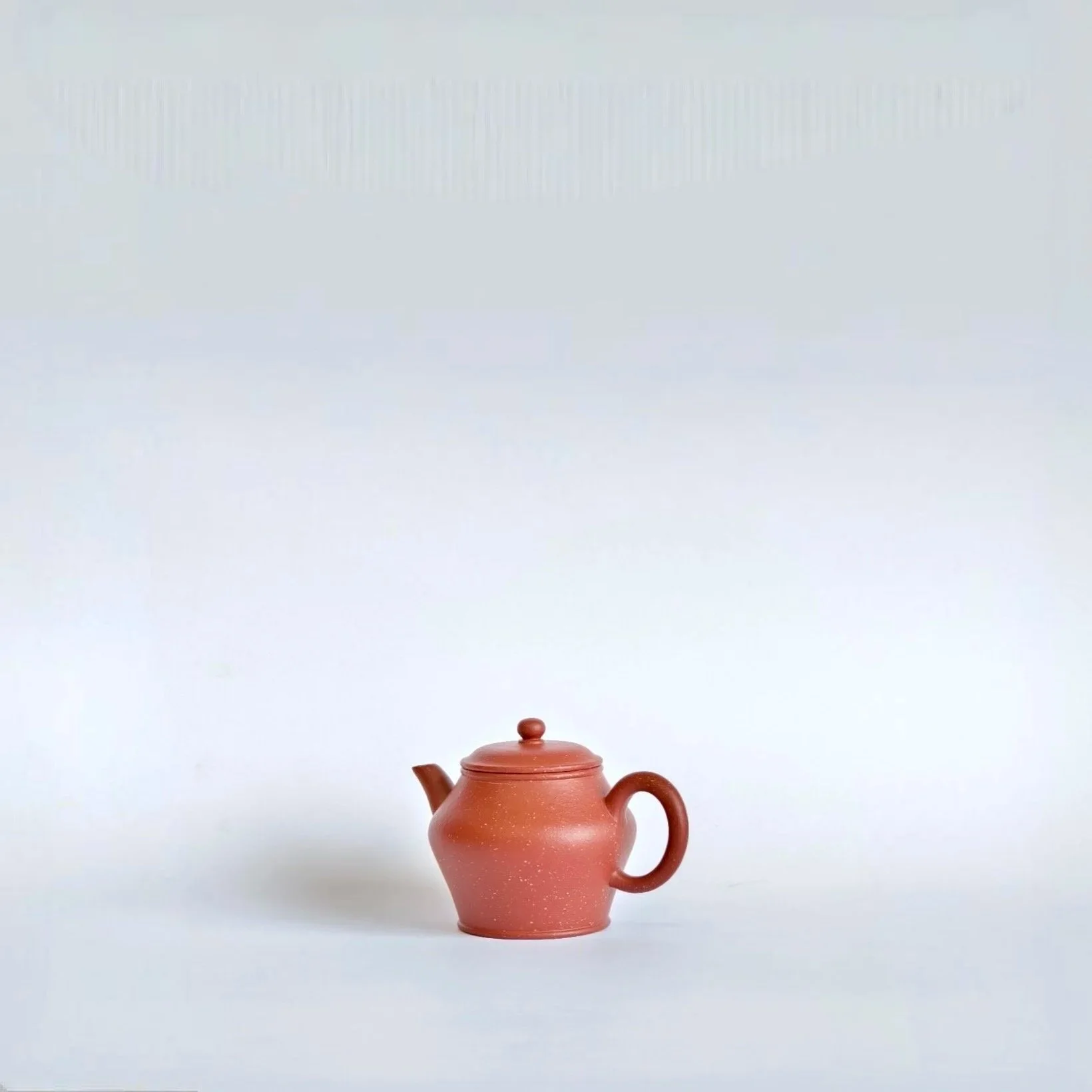
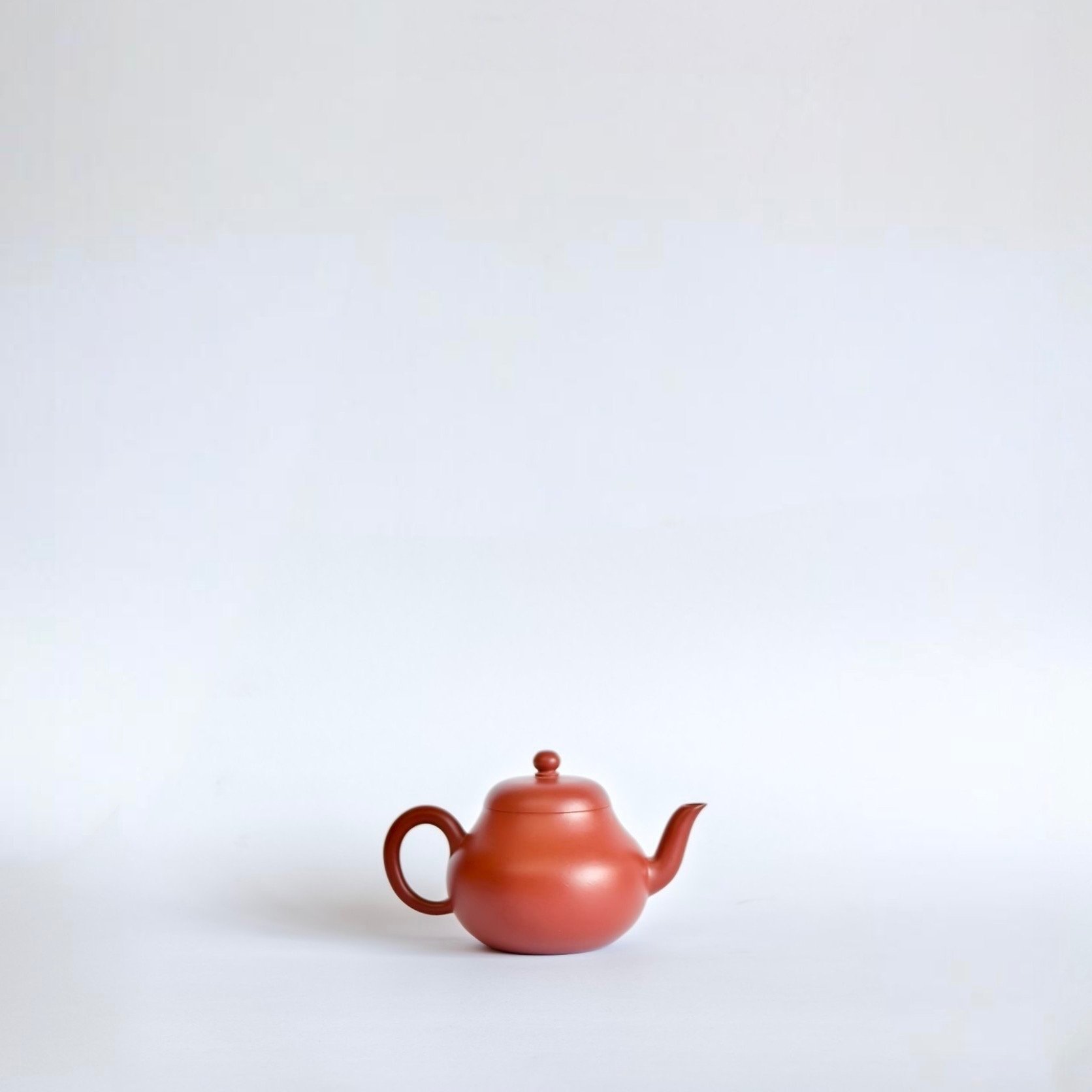
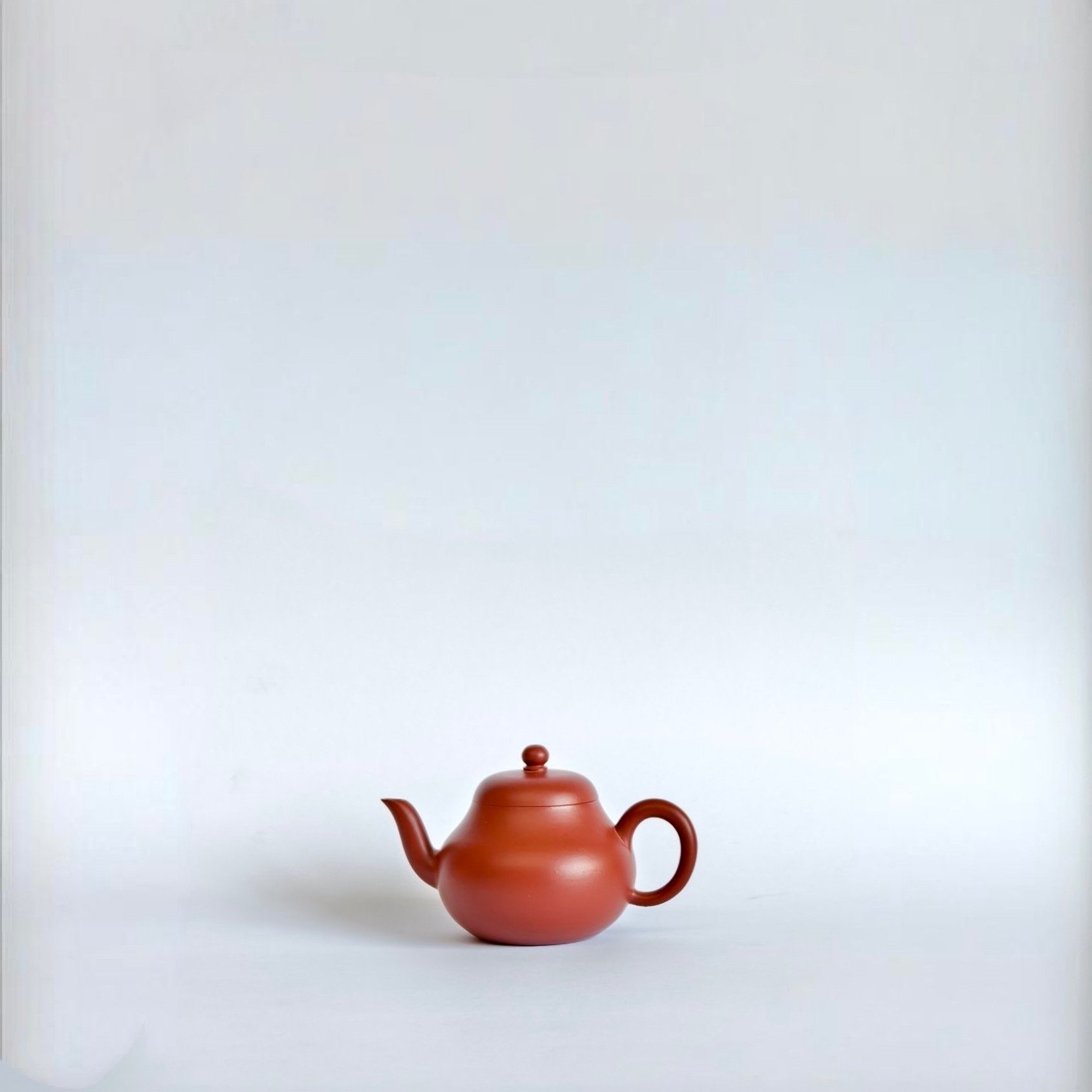
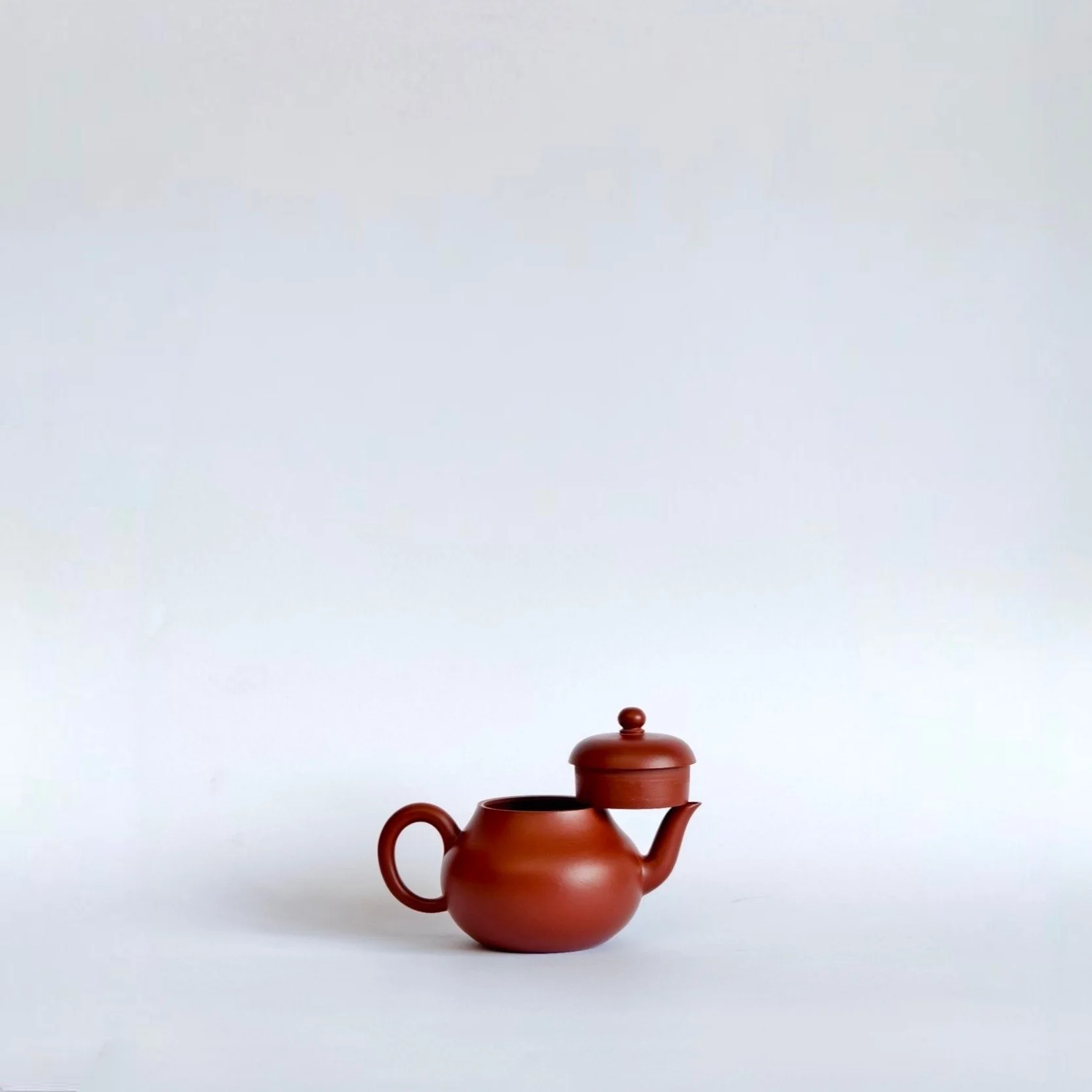
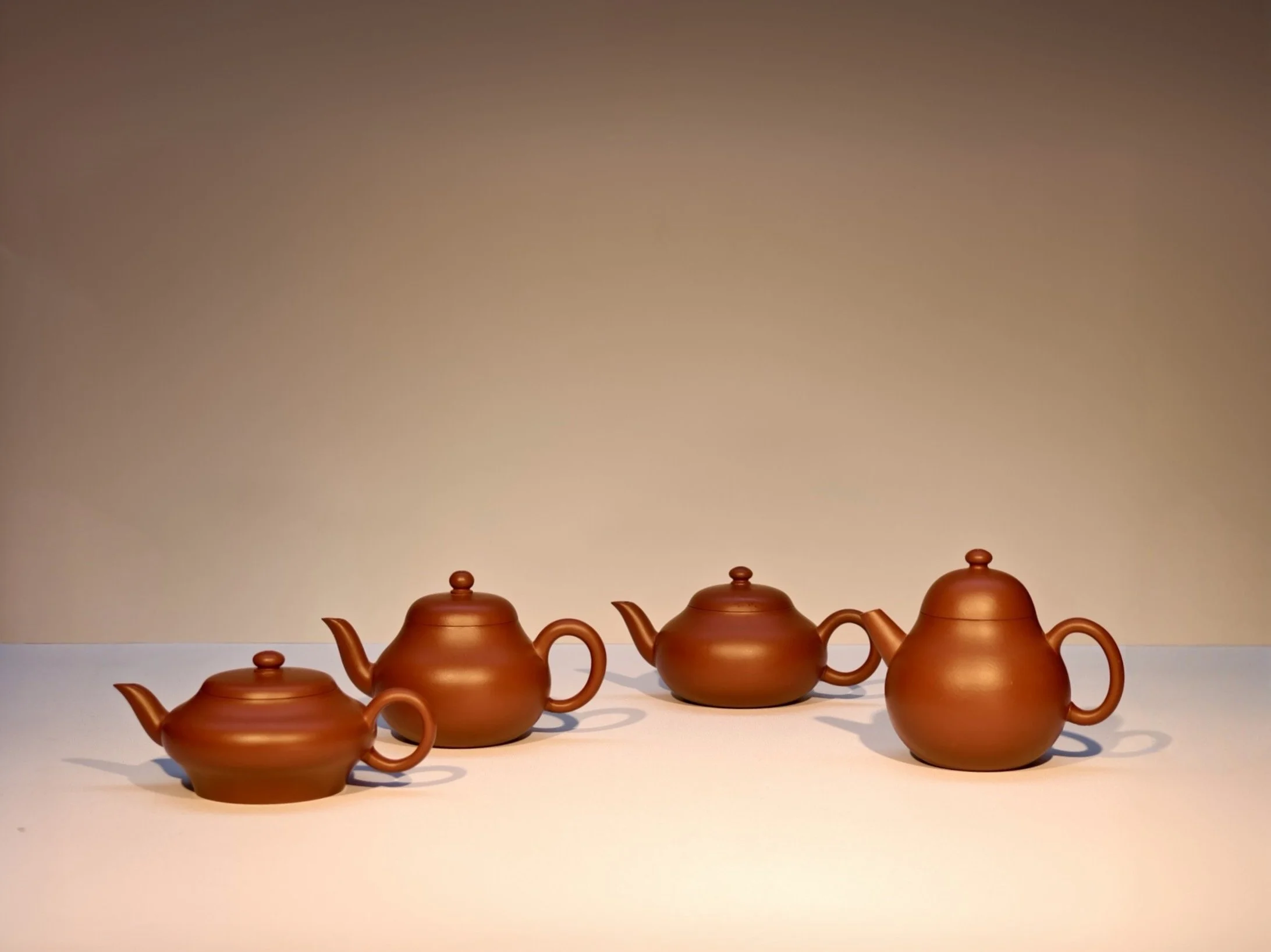
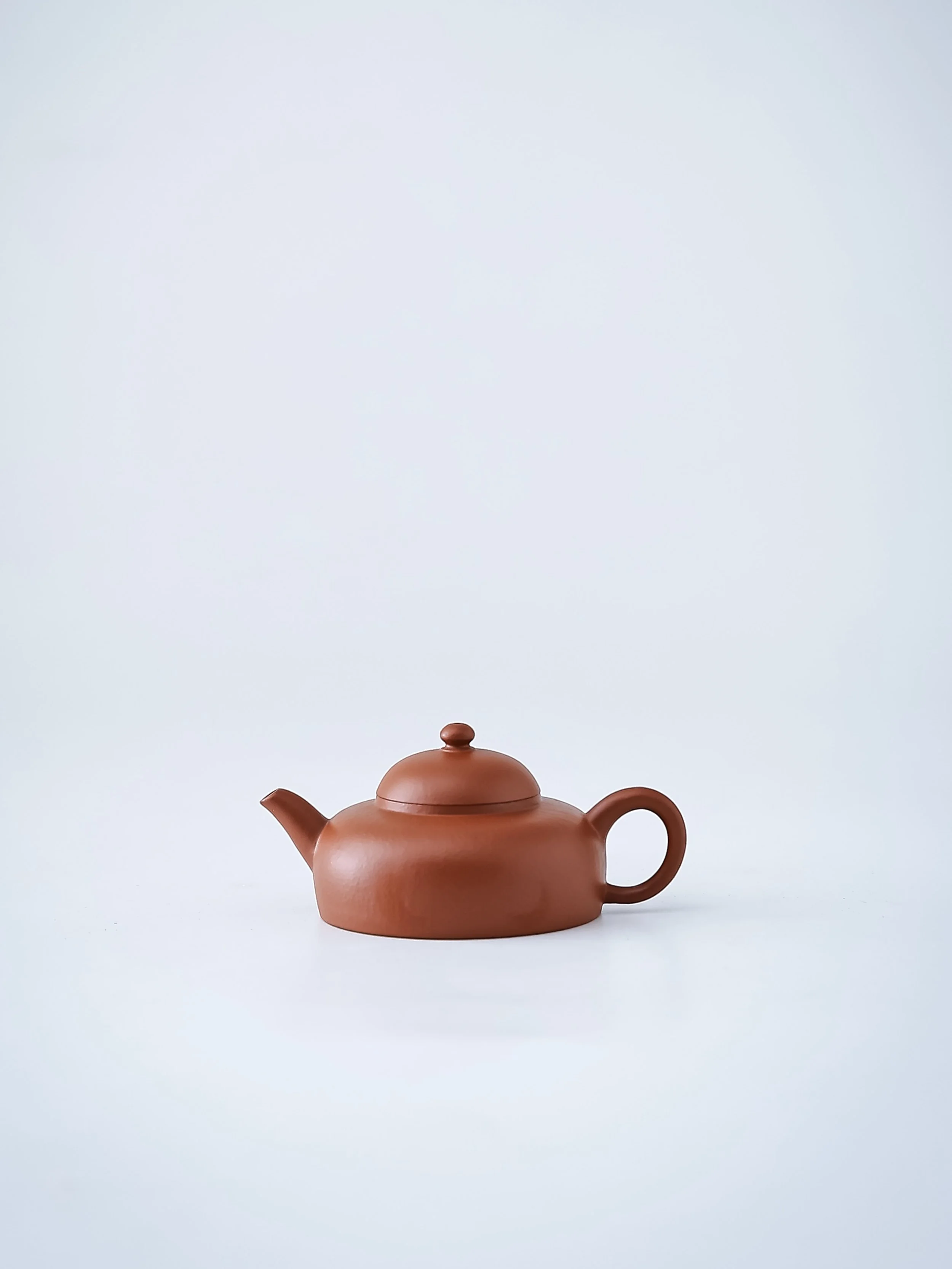
Yujian "Bianduo" Chaozhou Red Clay Tea Pot
£200.00
Sold Out
Material: Red Clay from Chaozhou
Technique: Chaozhou red clay teapots are rooted in traditional wheel-throwing techniques. Using carefully selected local red clay, the material is first washed, aged, and thoroughly kneaded. The teapot is then hand-thrown on a rotating wheel, followed by trimming and assembling the spout and lid. After careful burnishing and slow air-drying, the piece is fired at high temperatures in the kiln.
The finished teapot is compact in form, with thin yet resilient walls—an iconic tea vessel designed for the precision and rhythm of Chaozhou gongfu tea.
Material: Red Clay from Chaozhou
Technique: Chaozhou red clay teapots are rooted in traditional wheel-throwing techniques. Using carefully selected local red clay, the material is first washed, aged, and thoroughly kneaded. The teapot is then hand-thrown on a rotating wheel, followed by trimming and assembling the spout and lid. After careful burnishing and slow air-drying, the piece is fired at high temperatures in the kiln.
The finished teapot is compact in form, with thin yet resilient walls—an iconic tea vessel designed for the precision and rhythm of Chaozhou gongfu tea.