 Image 1 of 1
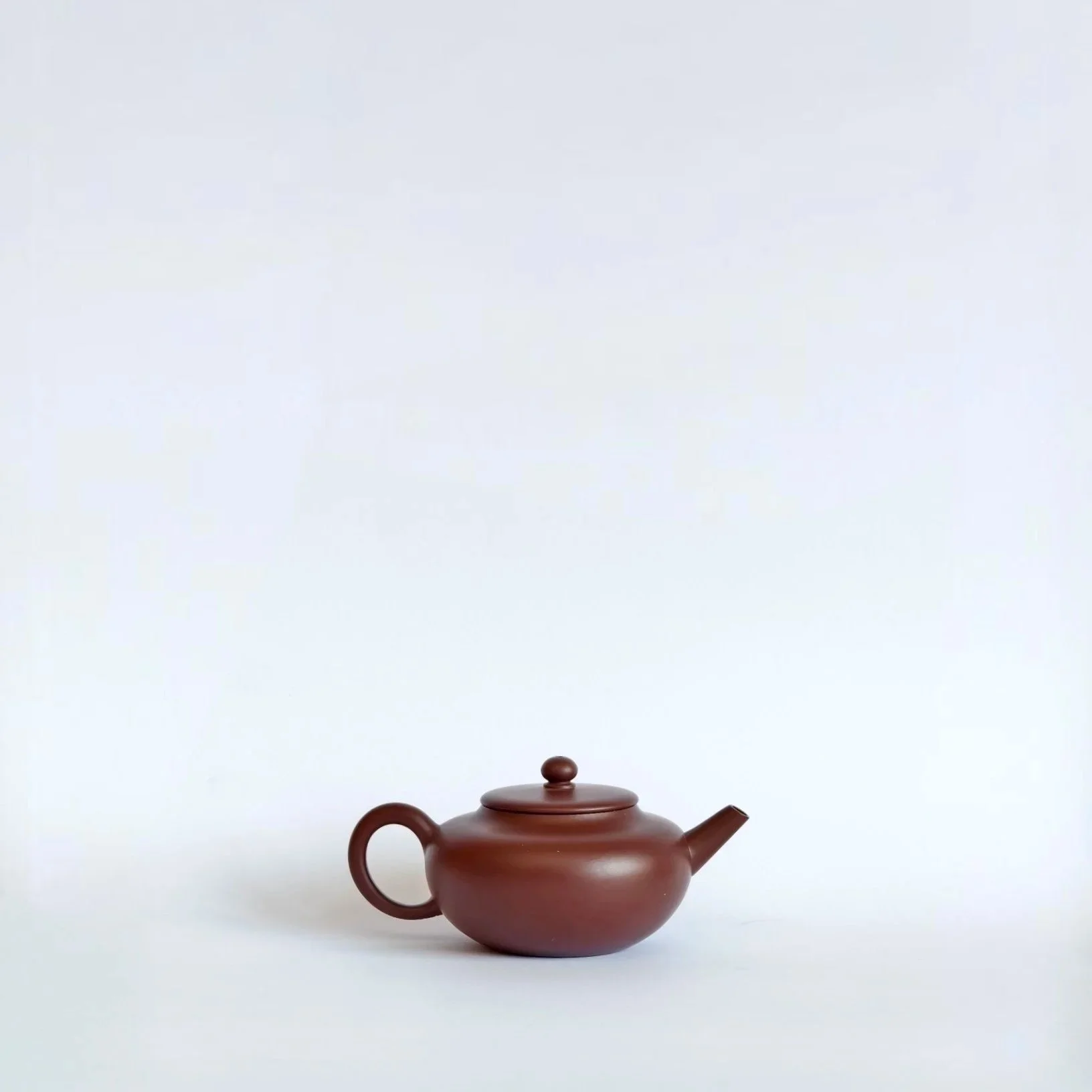
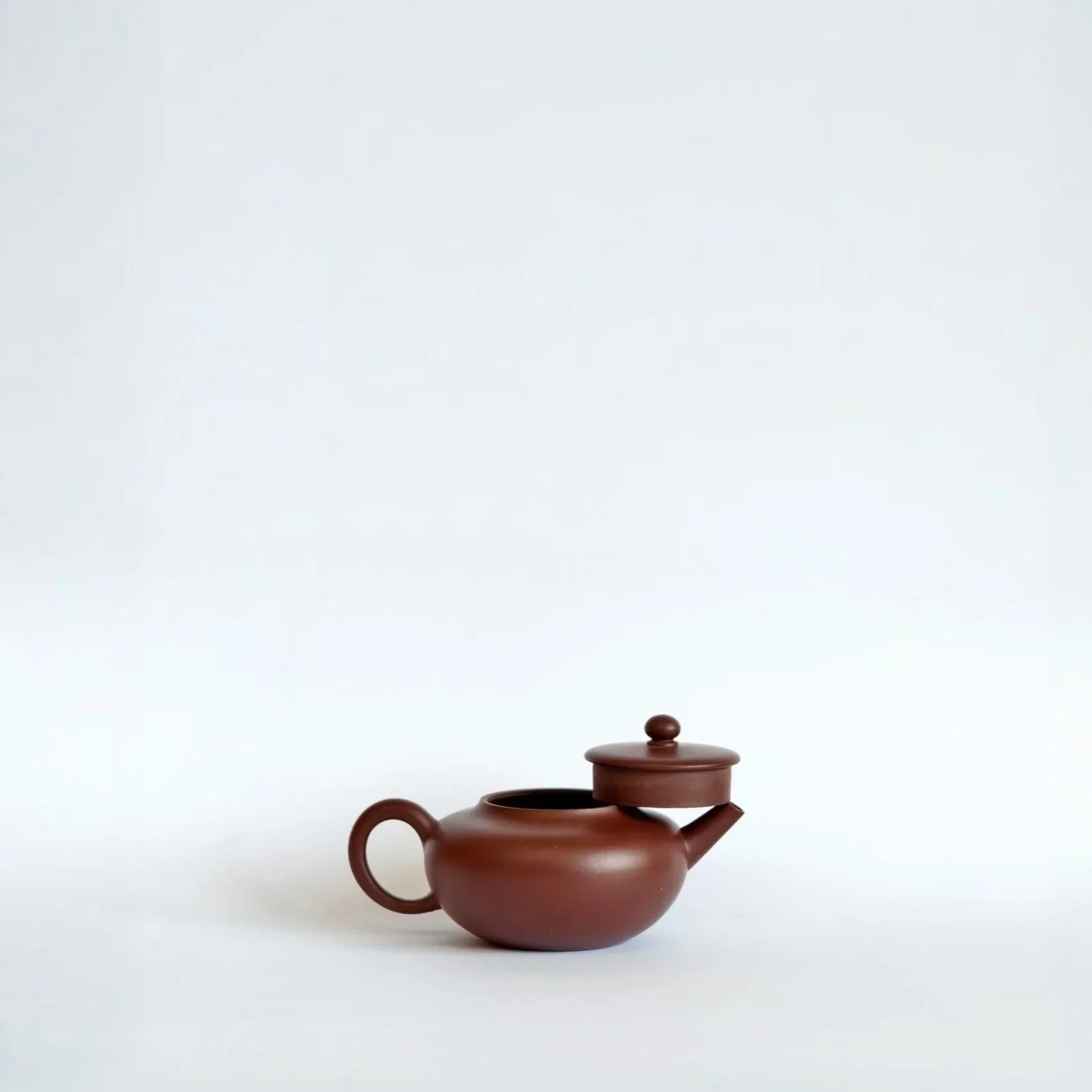
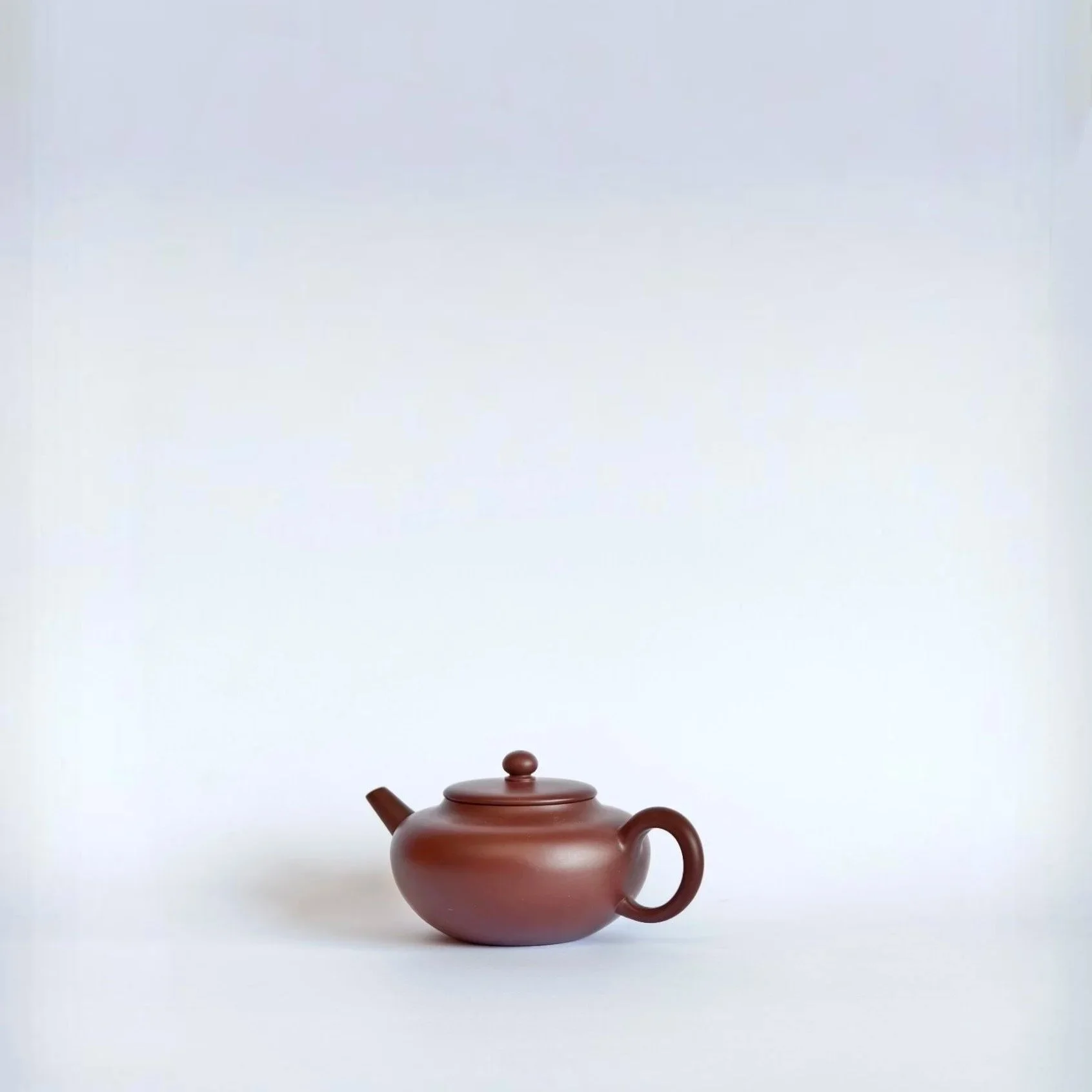
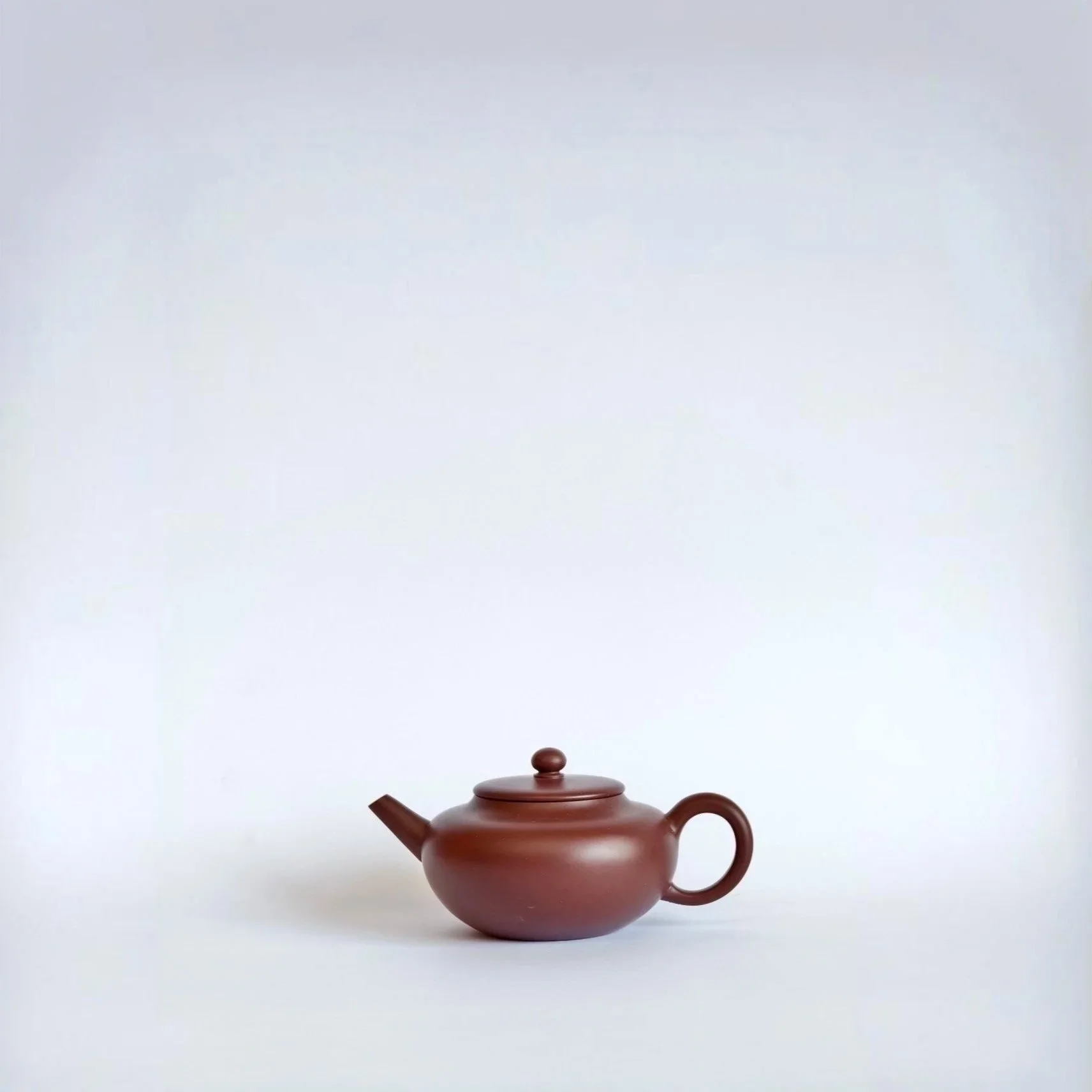
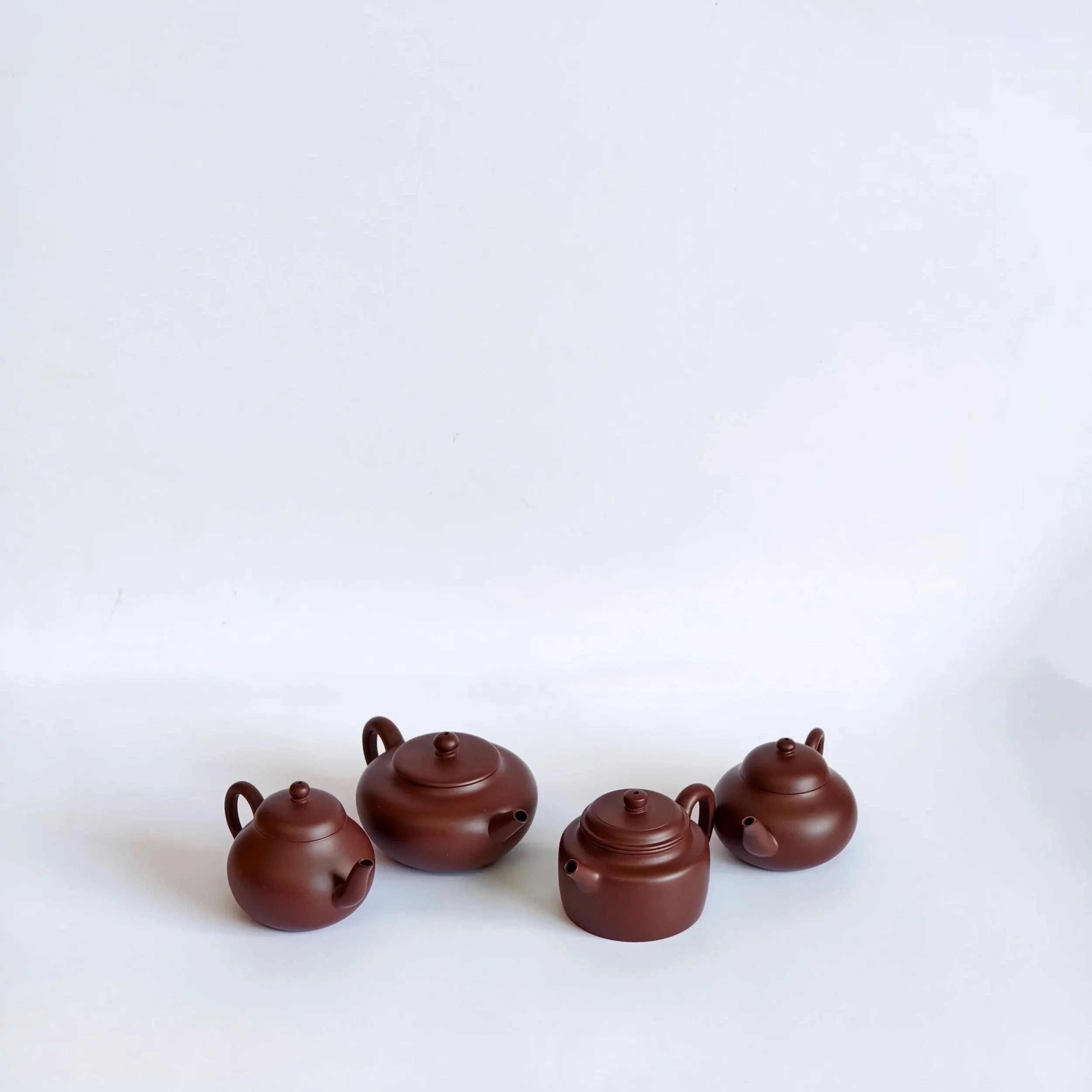
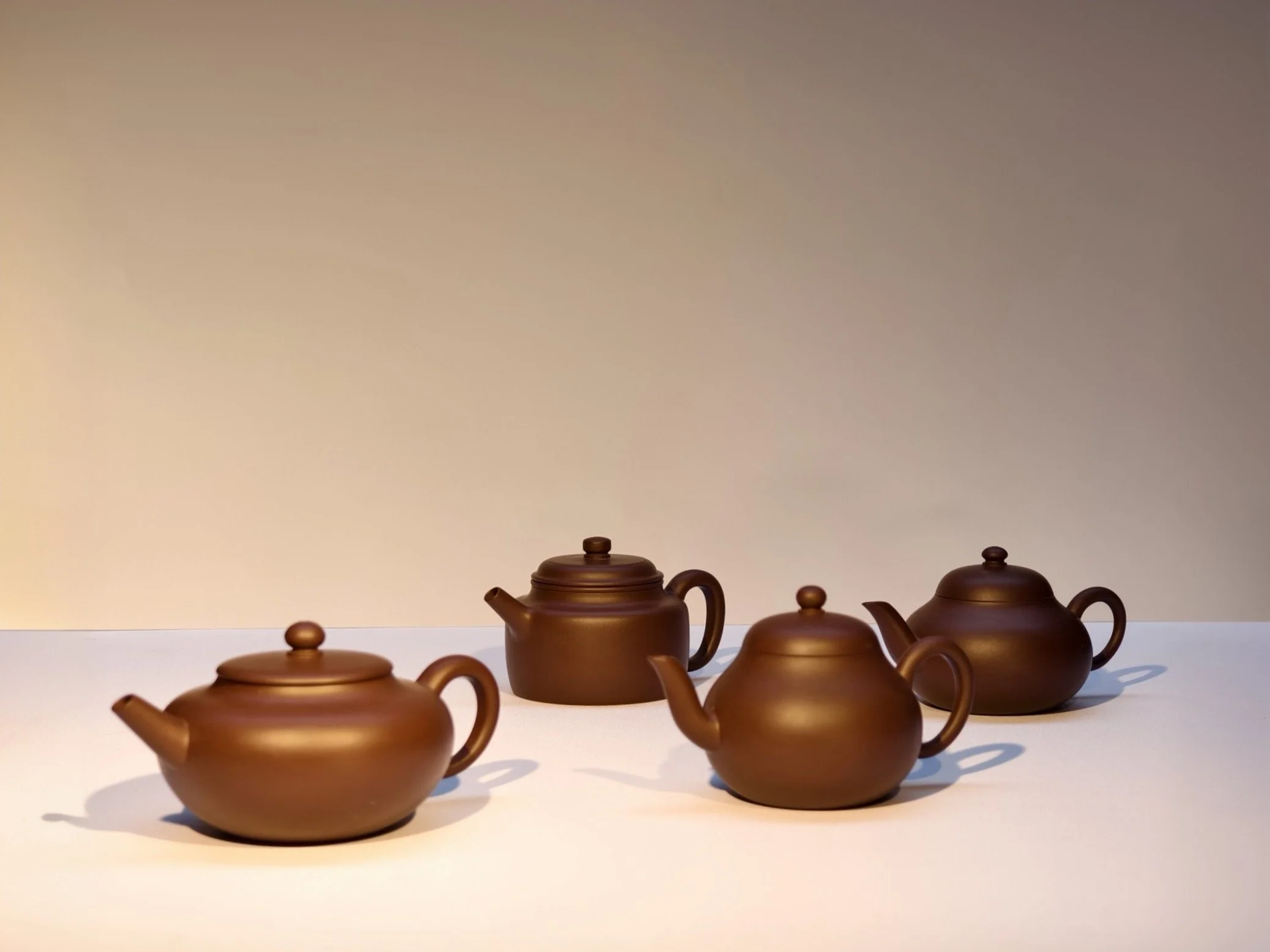
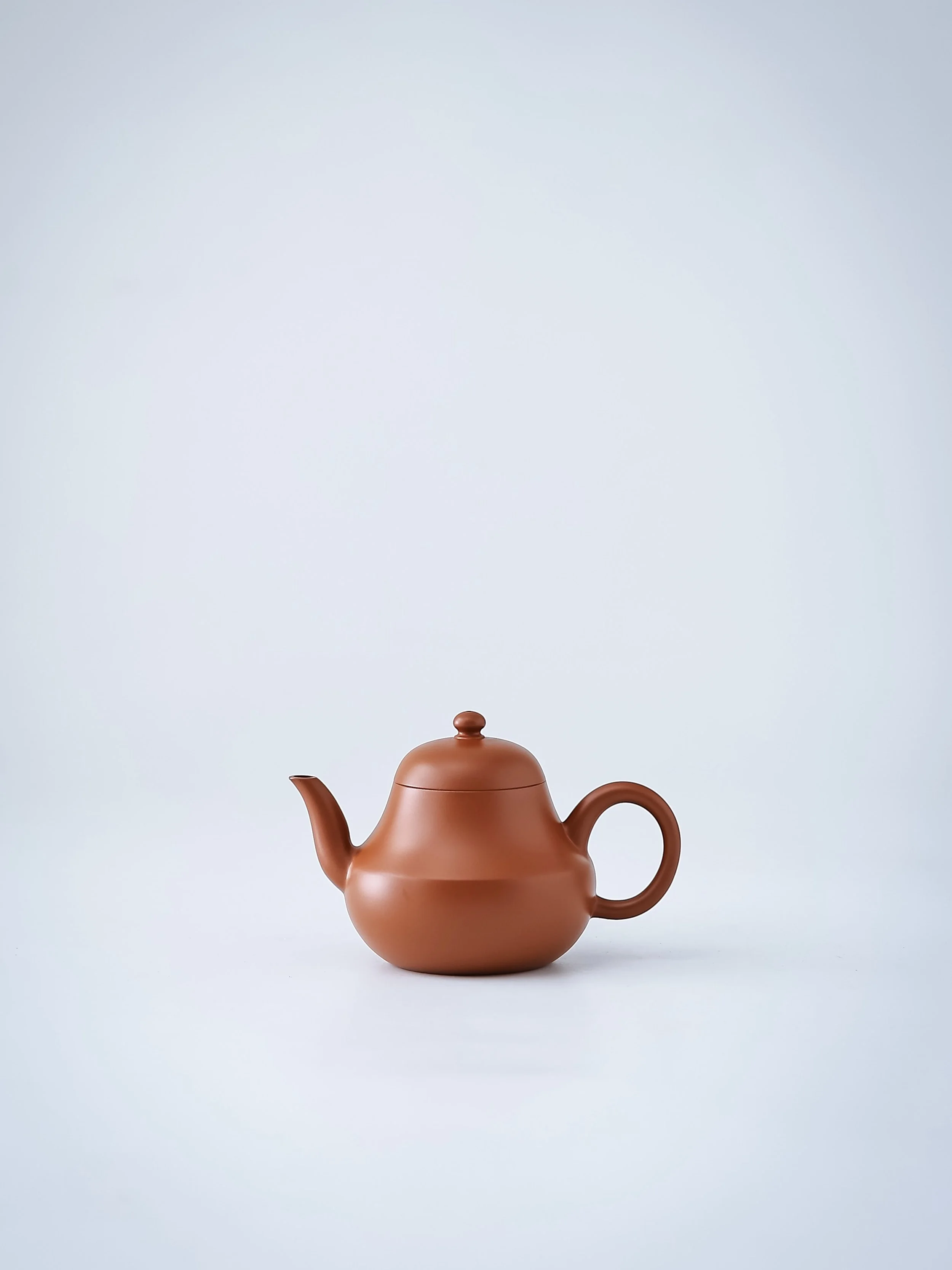
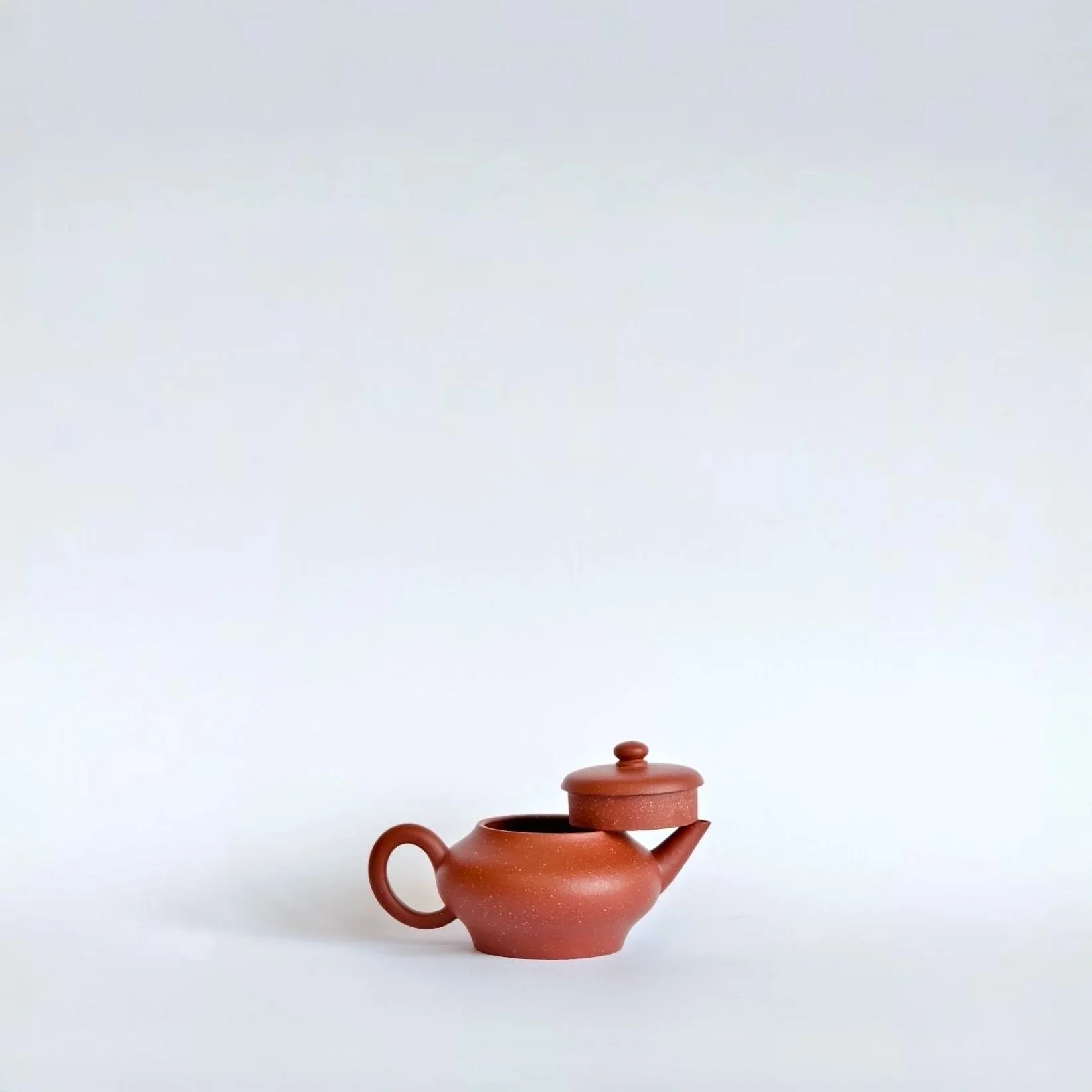
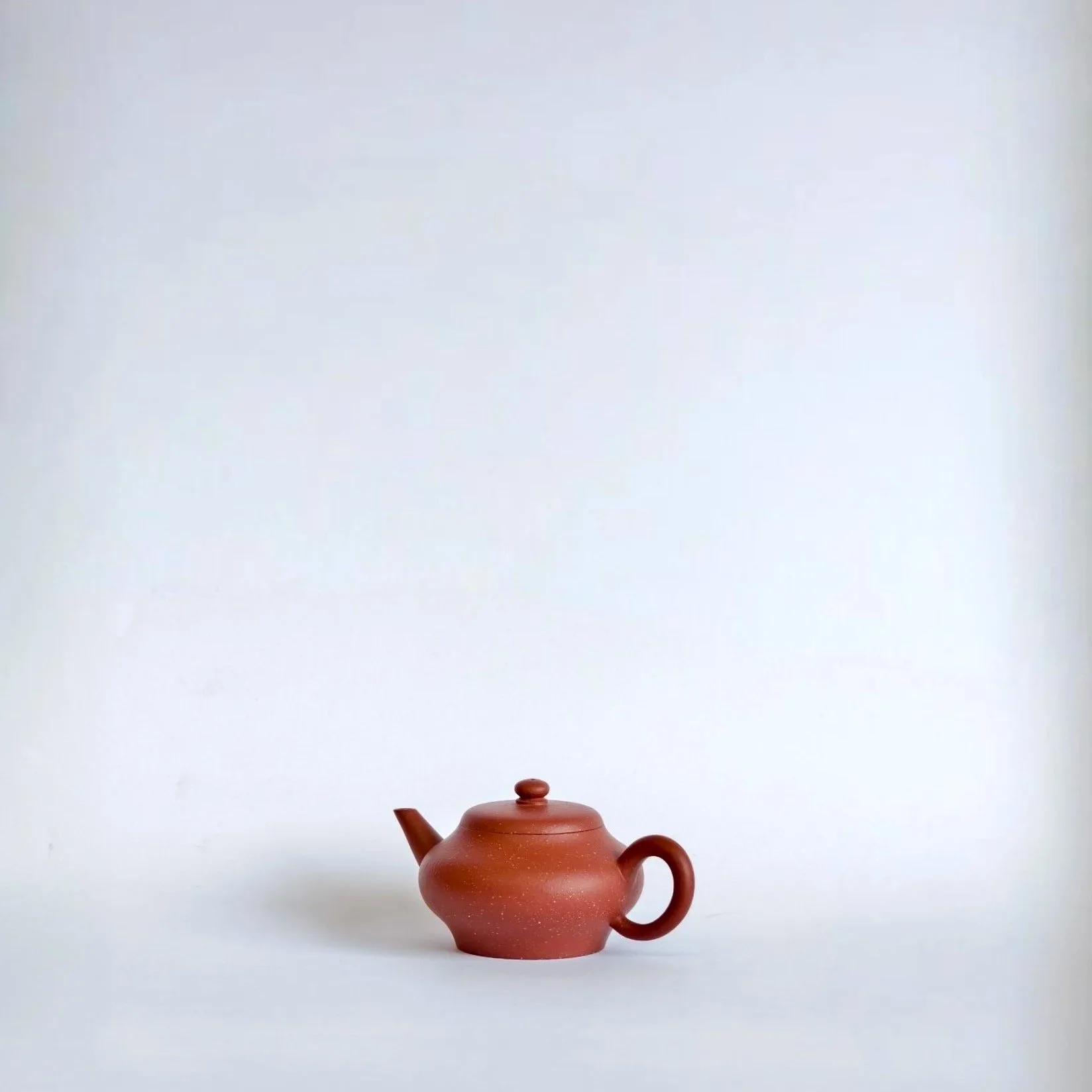
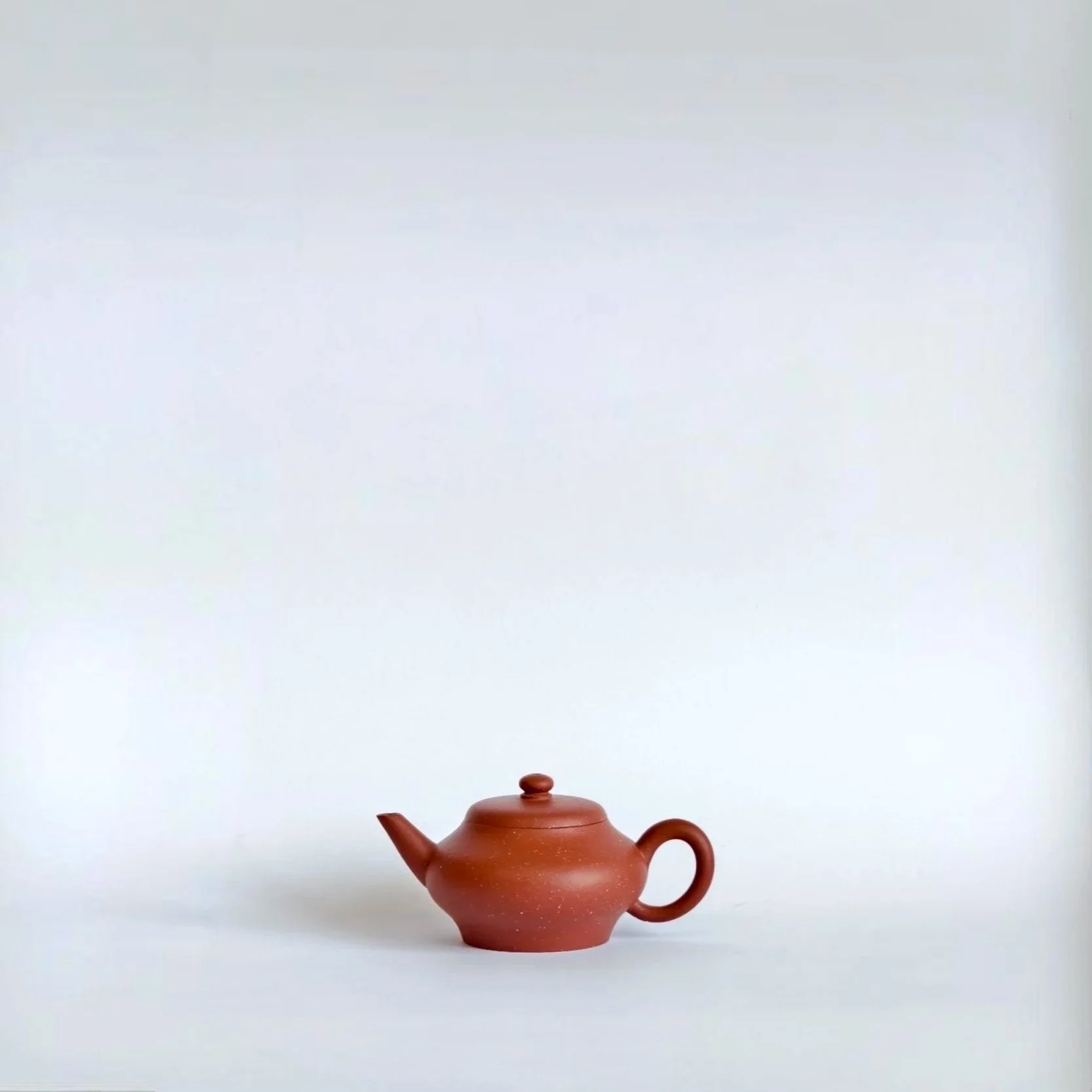
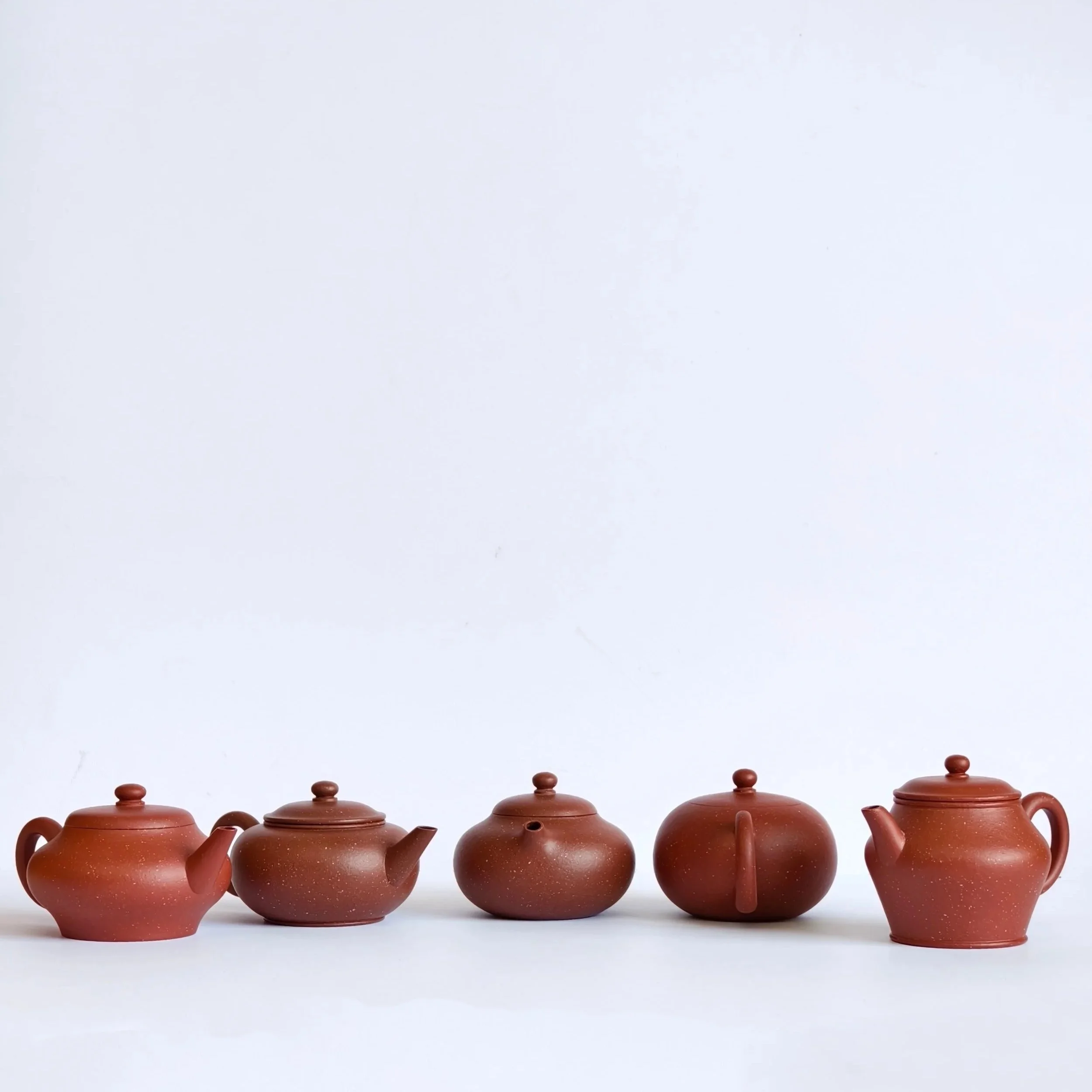
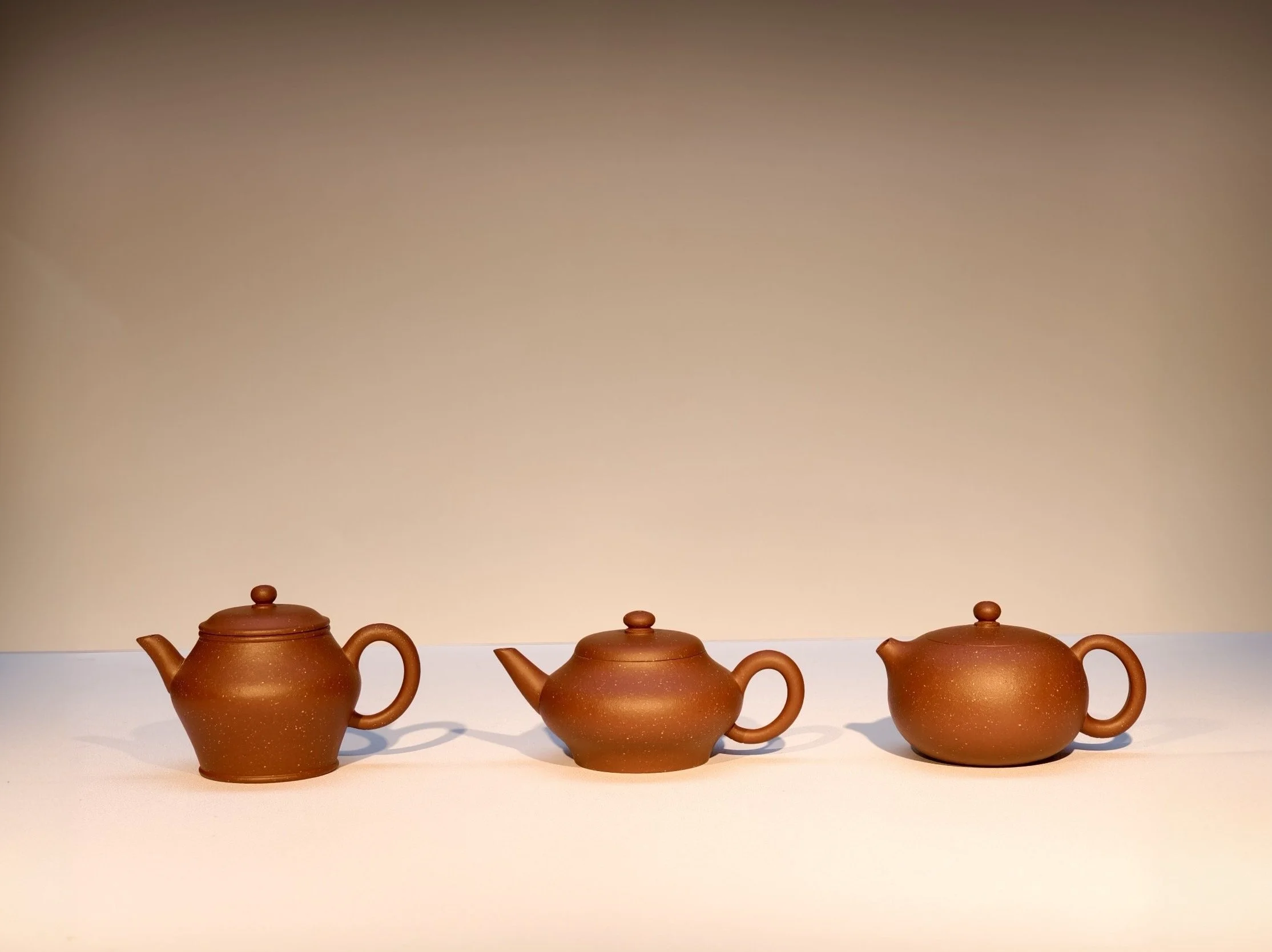
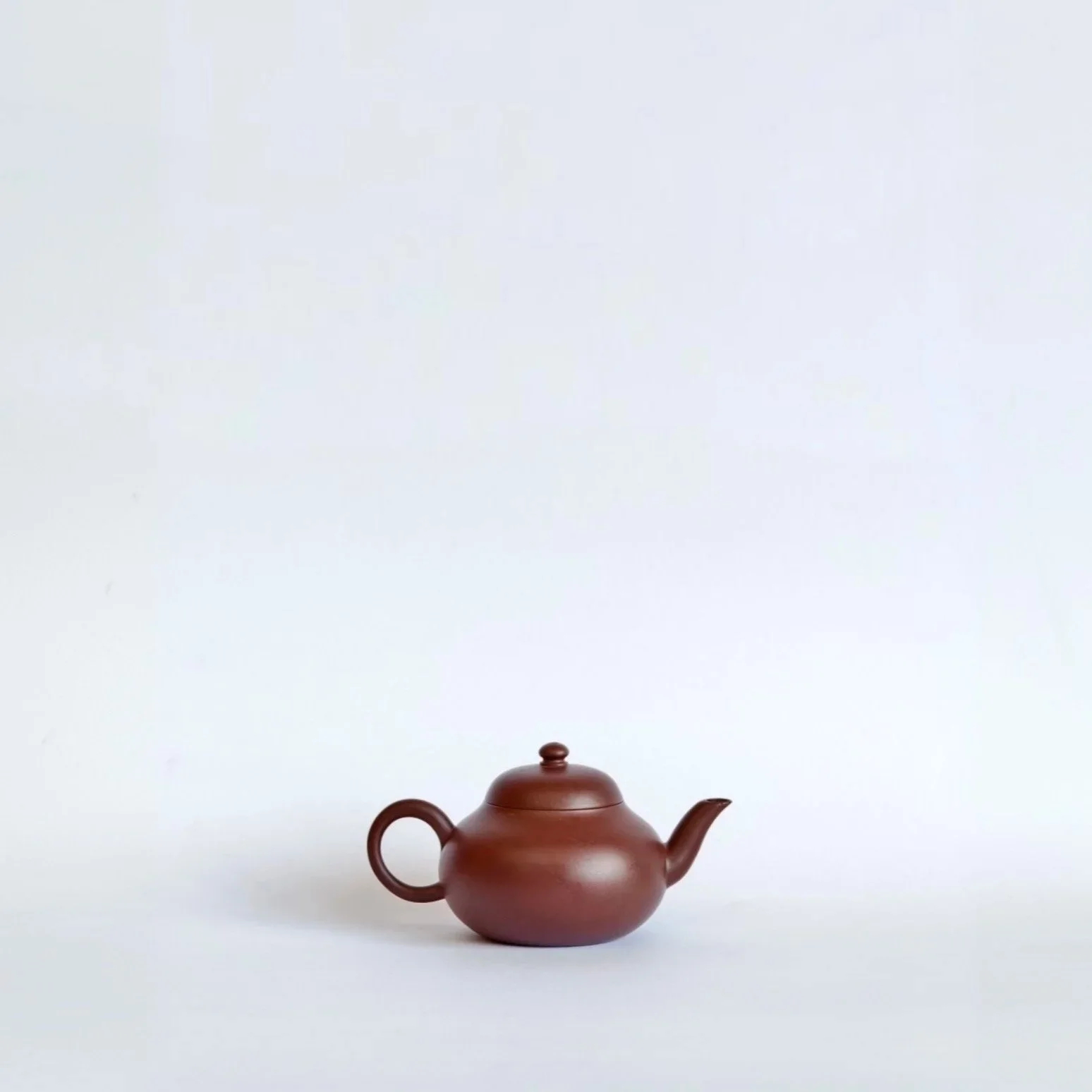
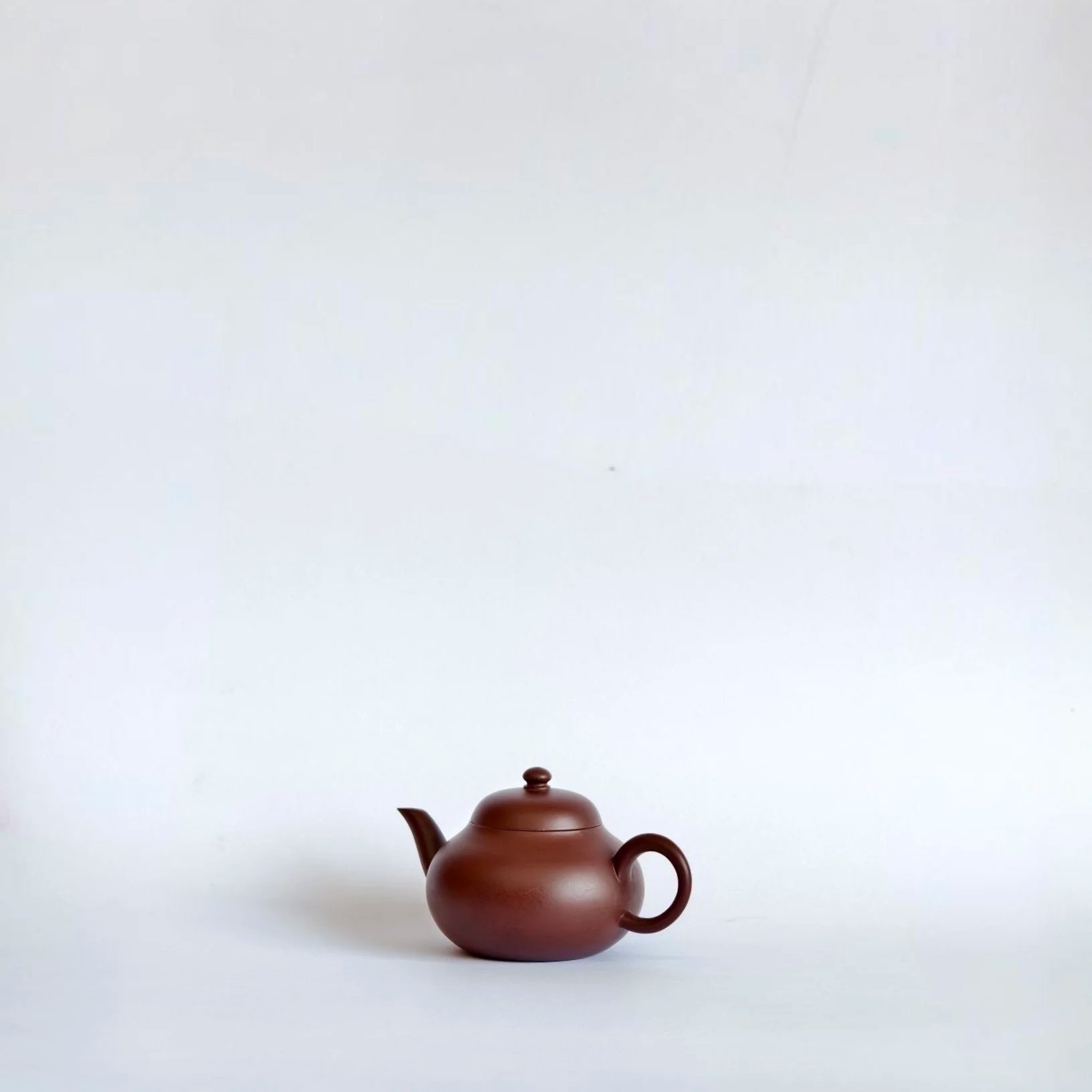
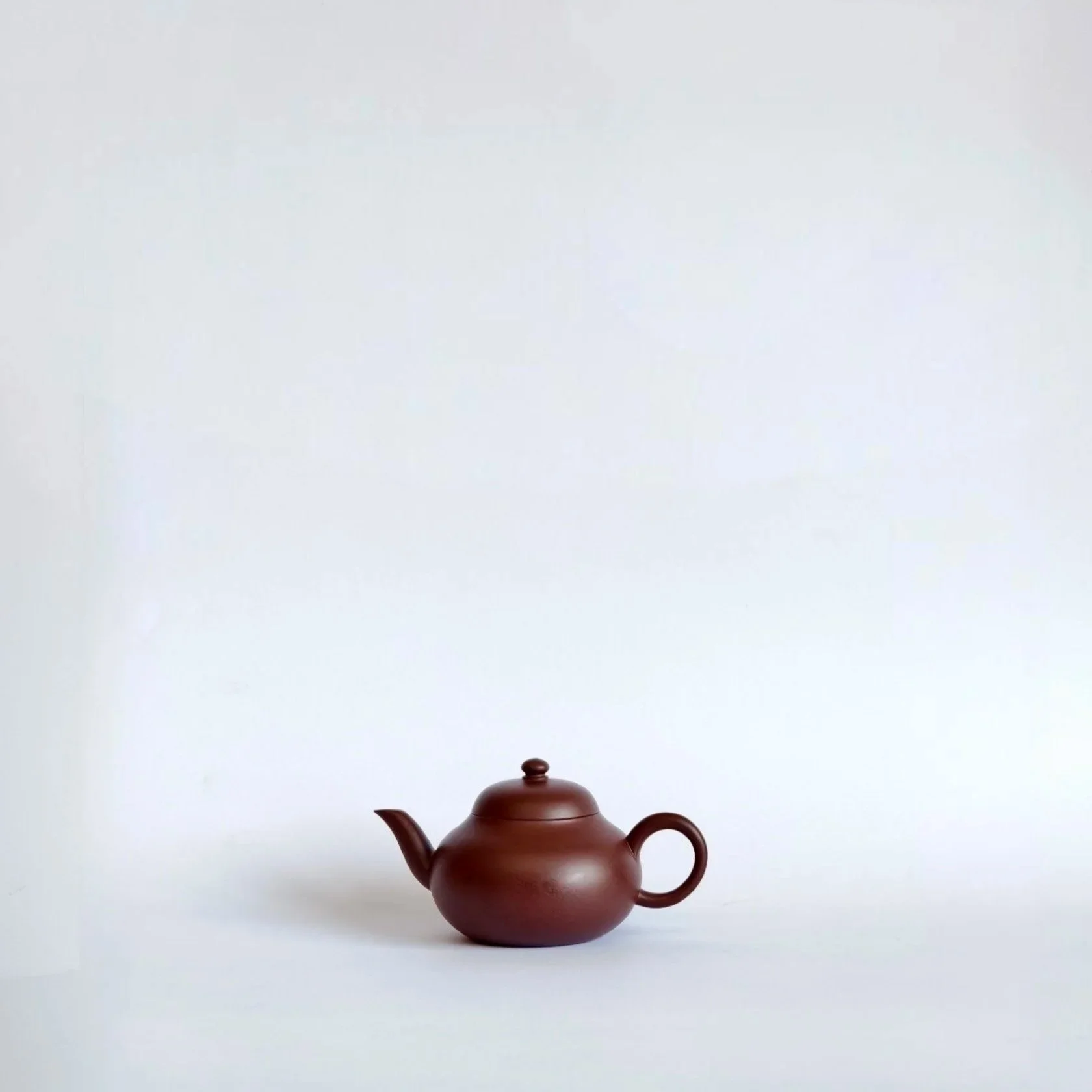
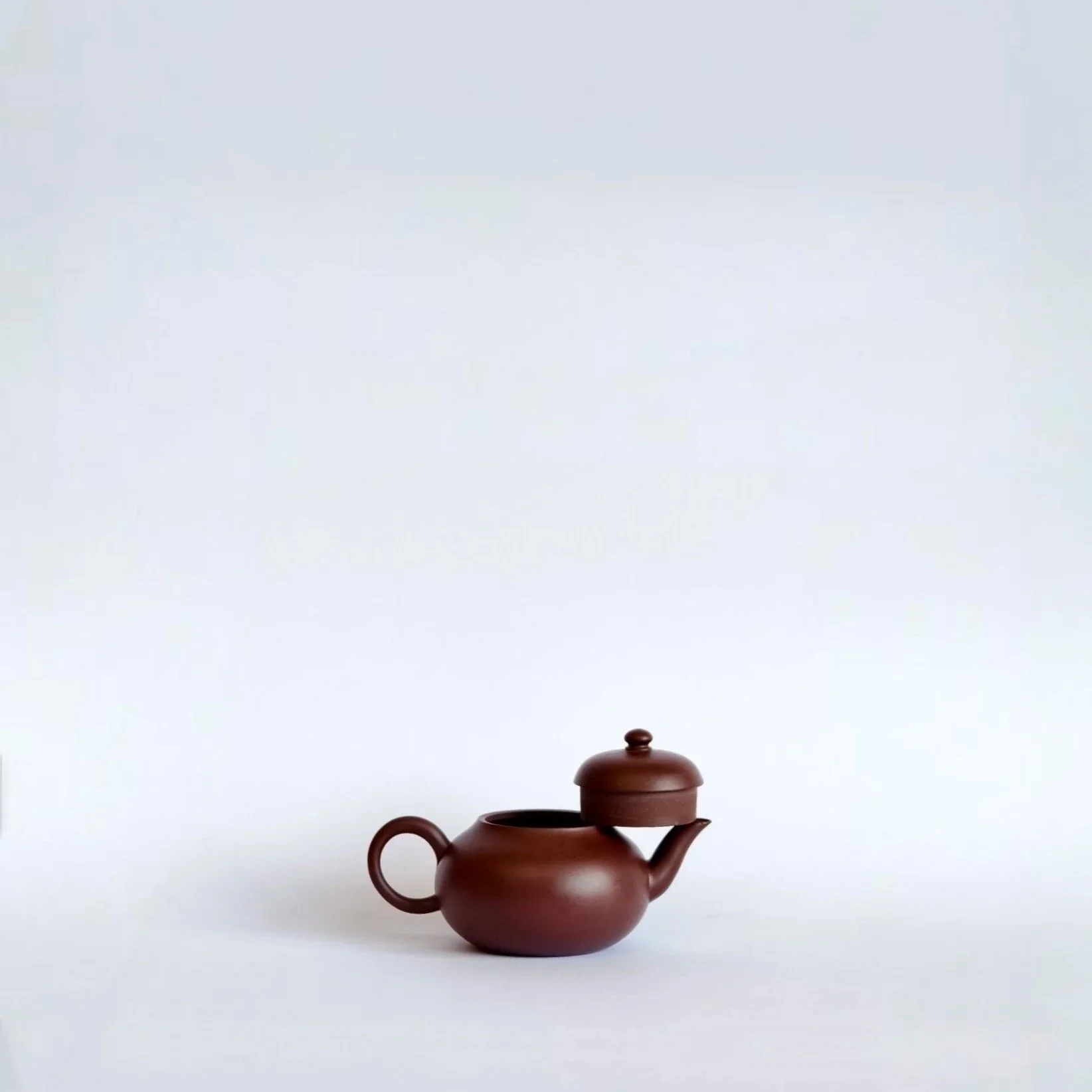
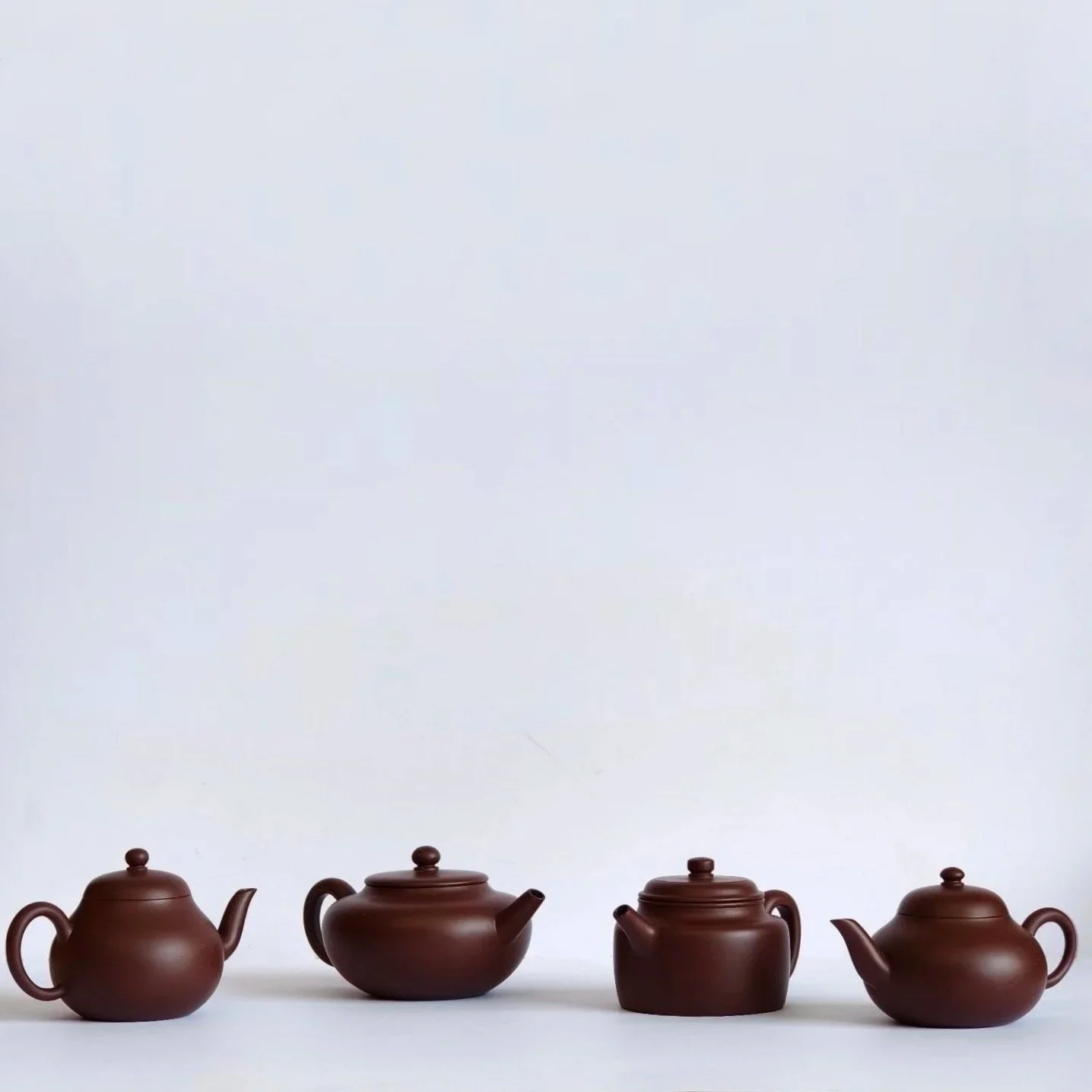
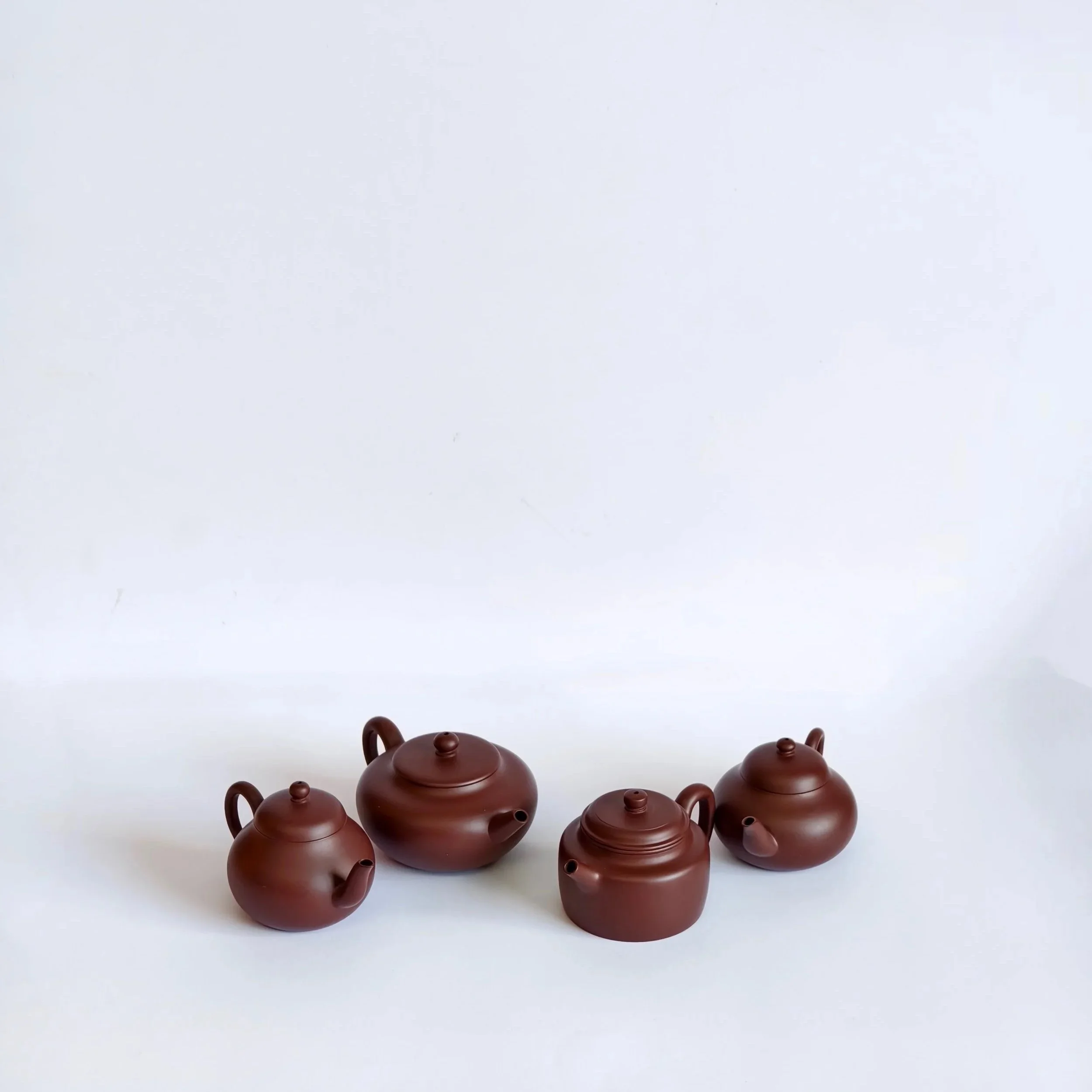
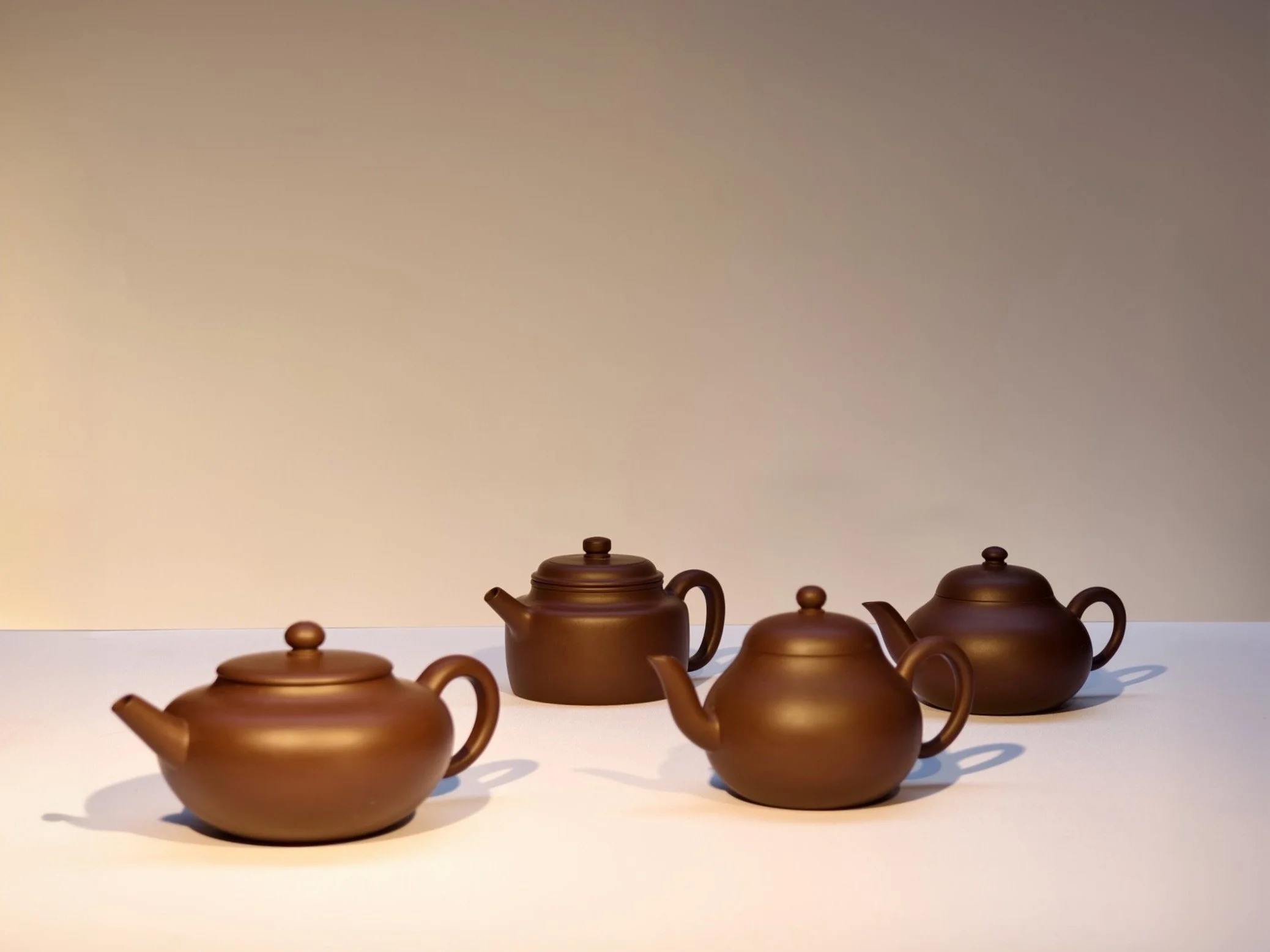
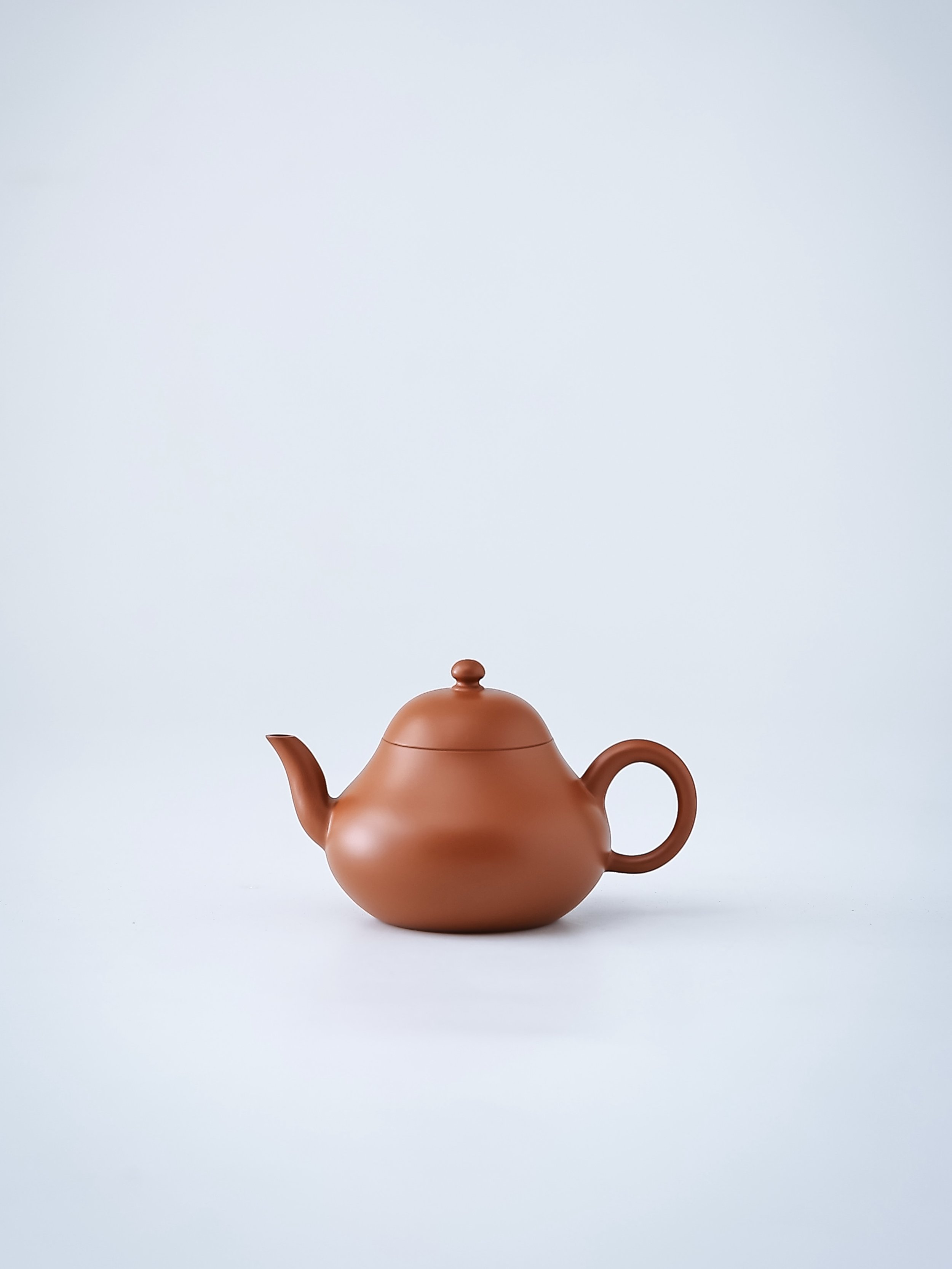
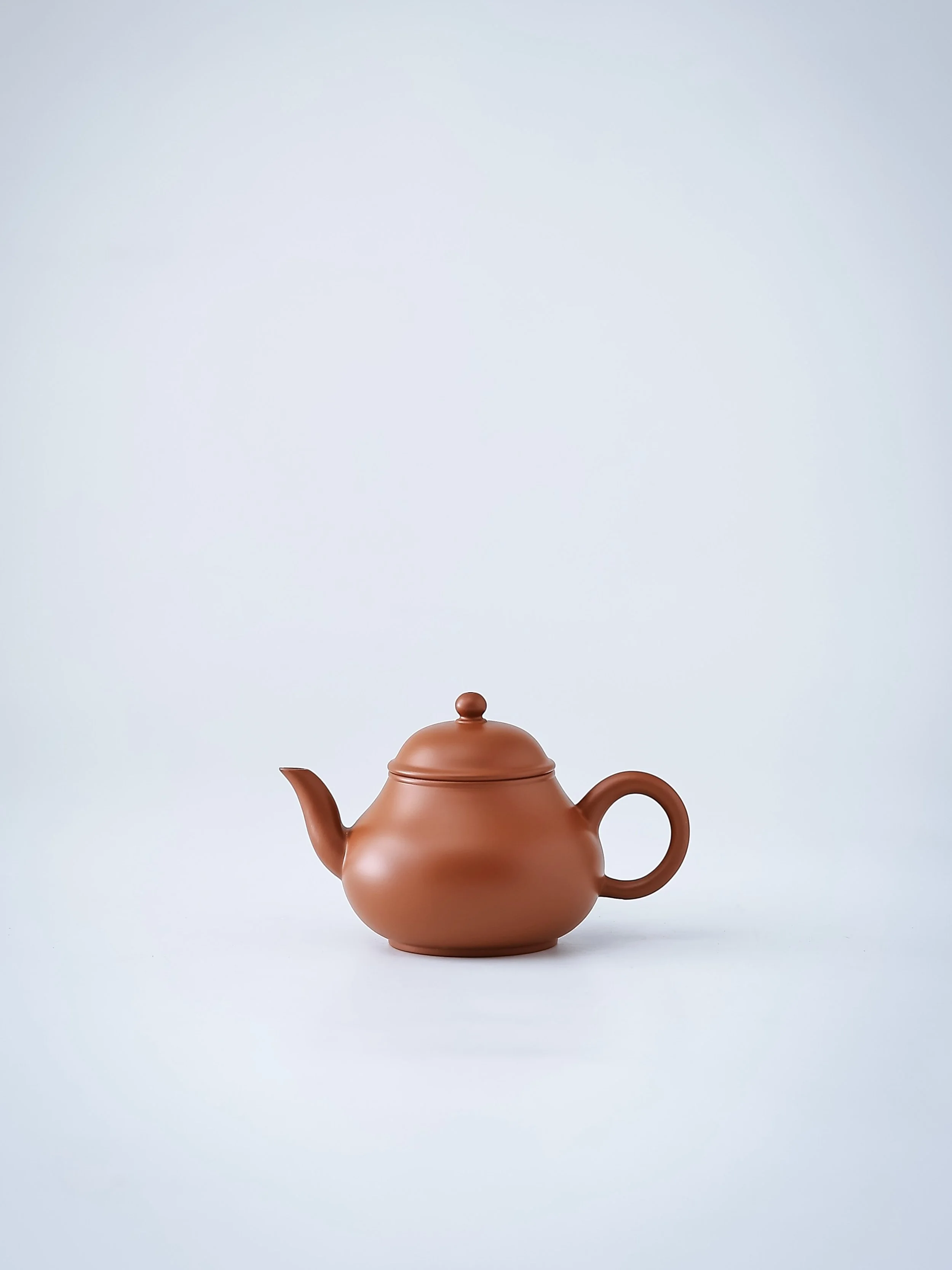
The Guava Teapot is a classic form in Zisha teaware, named for its resemblance to the guava fruit. Its shape is round and full, with soft, flowing lines and a gentle, natural presence.
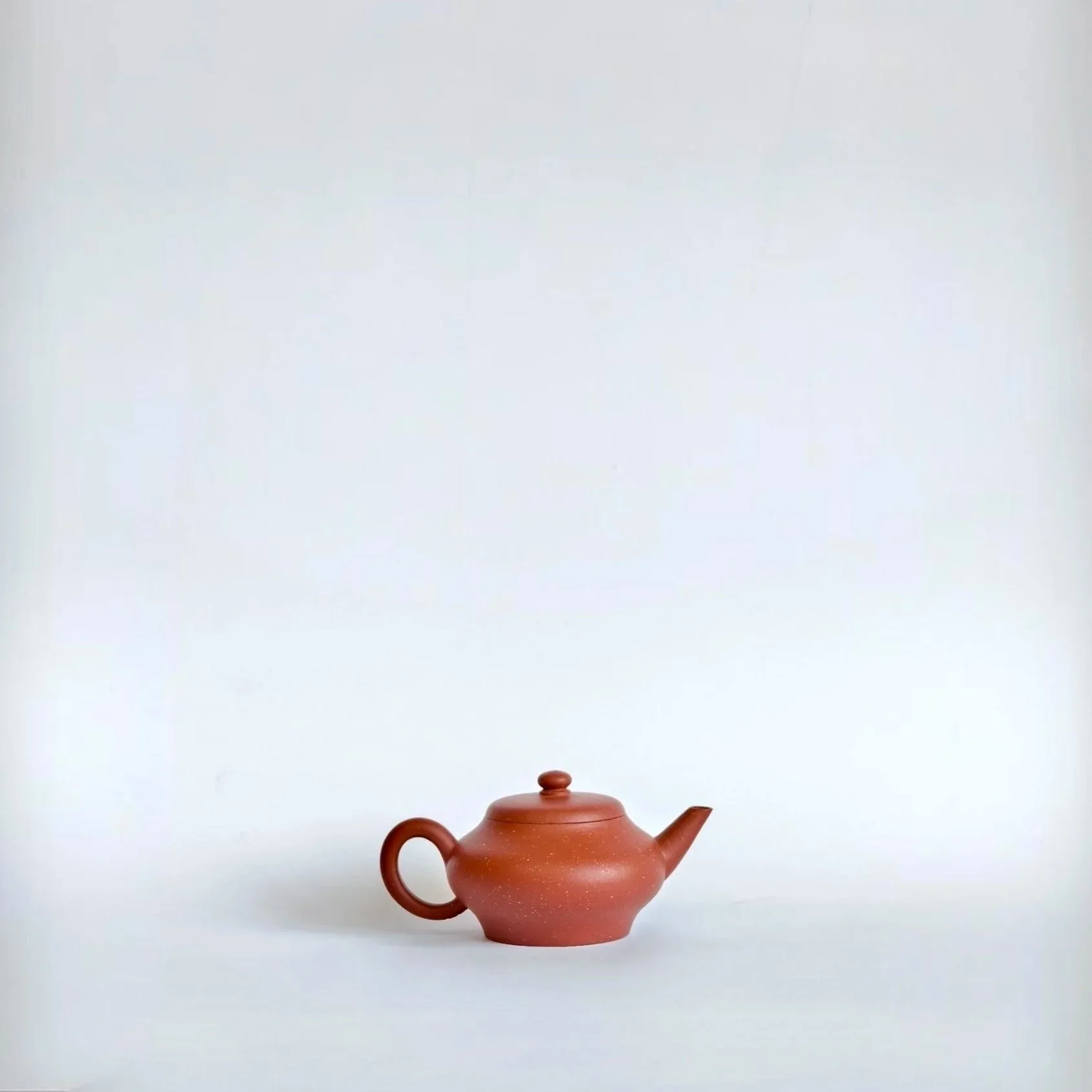
The Chaozhou red clay Guava Teapot carries forward this classic silhouette, hand-thrown from locally sourced red clay. The clay body is fine-grained and warm in texture; the compact form gathers aroma efficiently, while the smooth, balanced pour supports gongfu-style brewing. Combining natural charm with practical performance, it is a refined and dependable vessel for the gongfu tea table.
Material: Red Clay from Chaozhou
Technique: Chaozhou red clay teapots are rooted in traditional wheel-throwing techniques. Using carefully selected local red clay, the material is first washed, aged, and thoroughly kneaded. The teapot is then hand-thrown on a rotating wheel, followed by trimming and assembling the spout and lid. After careful burnishing and slow air-drying, the piece is fired at high temperatures in the kiln.
The finished teapot is compact in form, with thin yet resilient walls—an iconic tea vessel designed for the precision and rhythm of Chaozhou gongfu tea.
Approximate volume: 110ml
The Guava Teapot is a classic form in Zisha teaware, named for its resemblance to the guava fruit. Its shape is round and full, with soft, flowing lines and a gentle, natural presence.
The Chaozhou red clay Guava Teapot carries forward this classic silhouette, hand-thrown from locally sourced red clay. The clay body is fine-grained and warm in texture; the compact form gathers aroma efficiently, while the smooth, balanced pour supports gongfu-style brewing. Combining natural charm with practical performance, it is a refined and dependable vessel for the gongfu tea table.
Material: Red Clay from Chaozhou
Technique: Chaozhou red clay teapots are rooted in traditional wheel-throwing techniques. Using carefully selected local red clay, the material is first washed, aged, and thoroughly kneaded. The teapot is then hand-thrown on a rotating wheel, followed by trimming and assembling the spout and lid. After careful burnishing and slow air-drying, the piece is fired at high temperatures in the kiln.
The finished teapot is compact in form, with thin yet resilient walls—an iconic tea vessel designed for the precision and rhythm of Chaozhou gongfu tea.
Approximate volume: 110ml