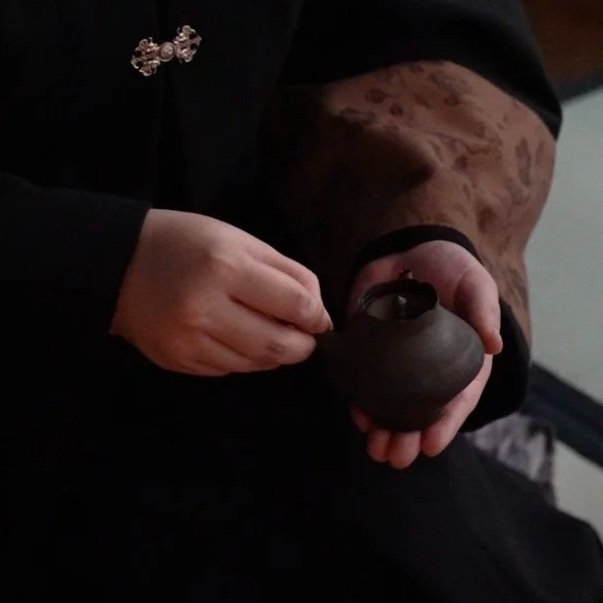
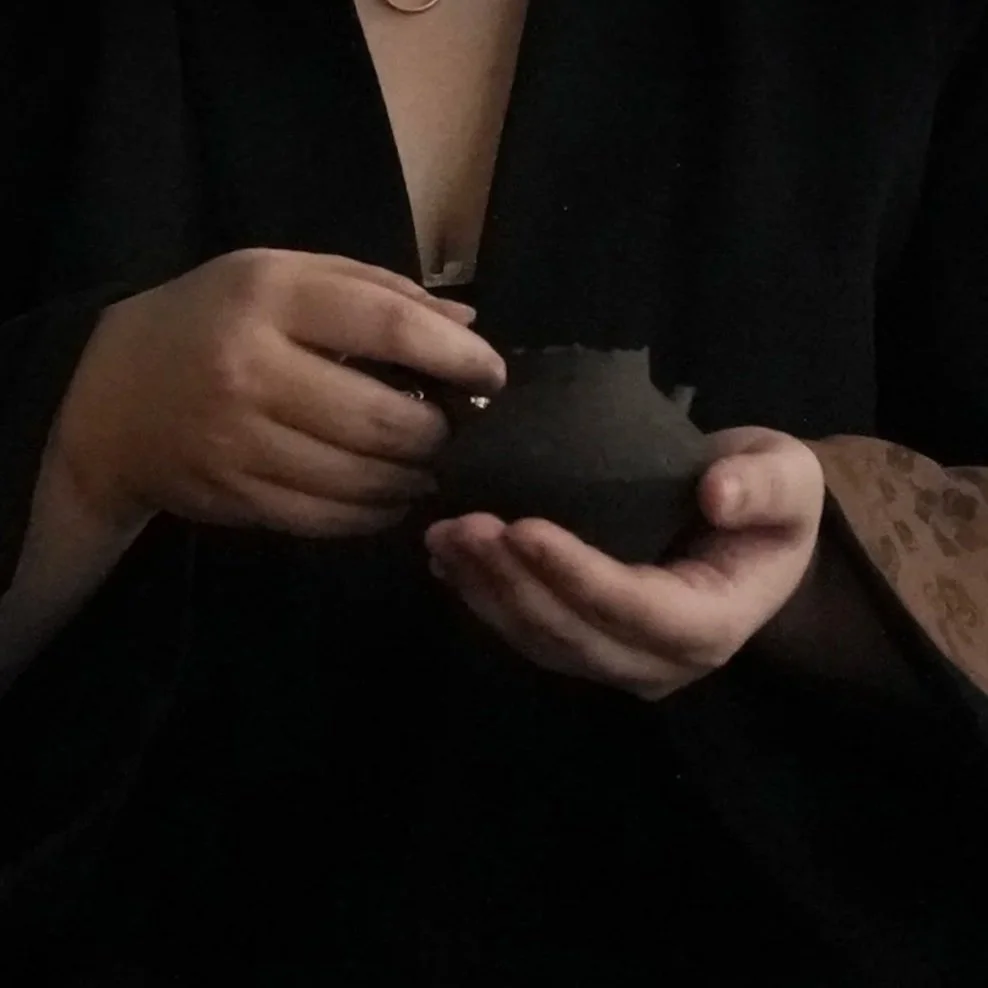
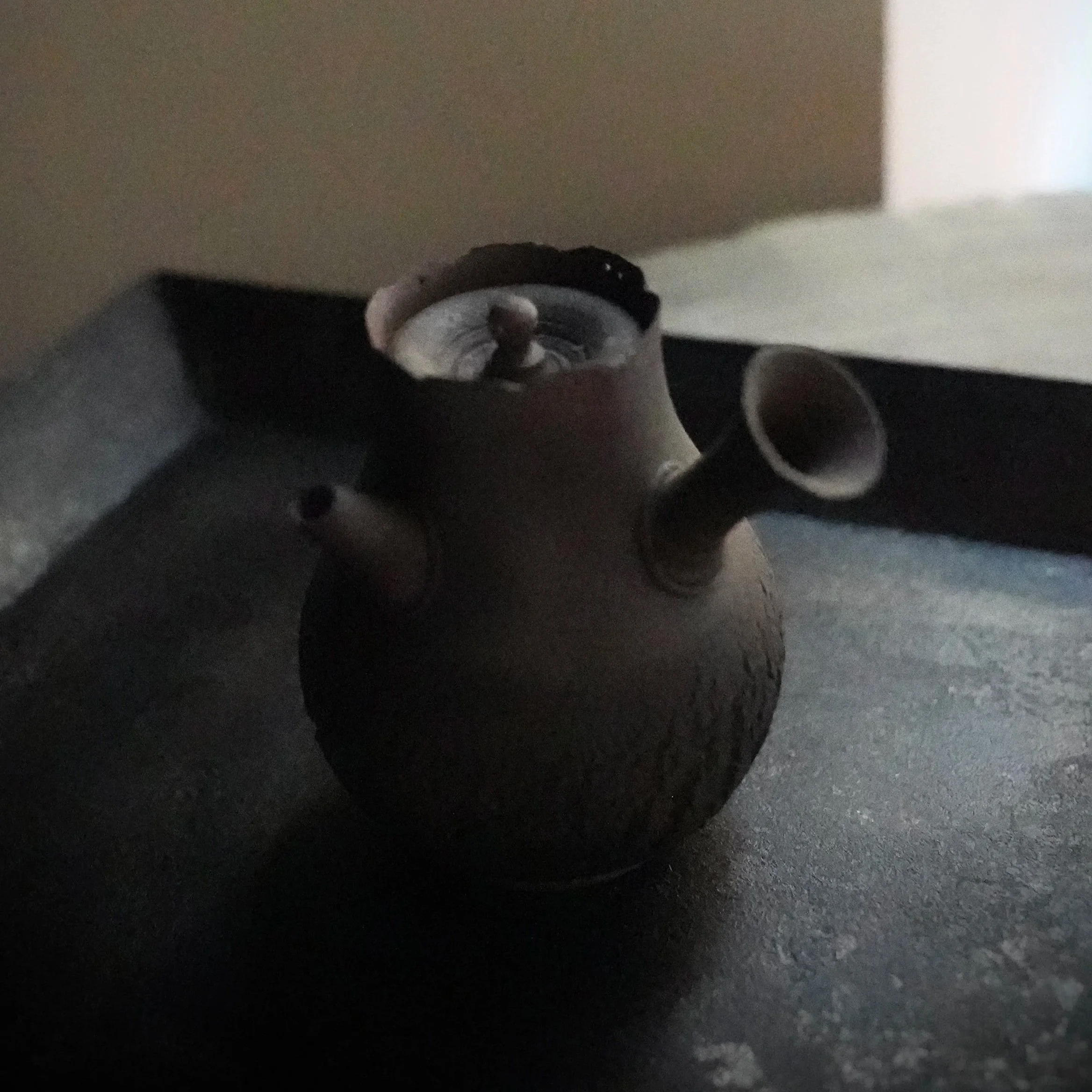
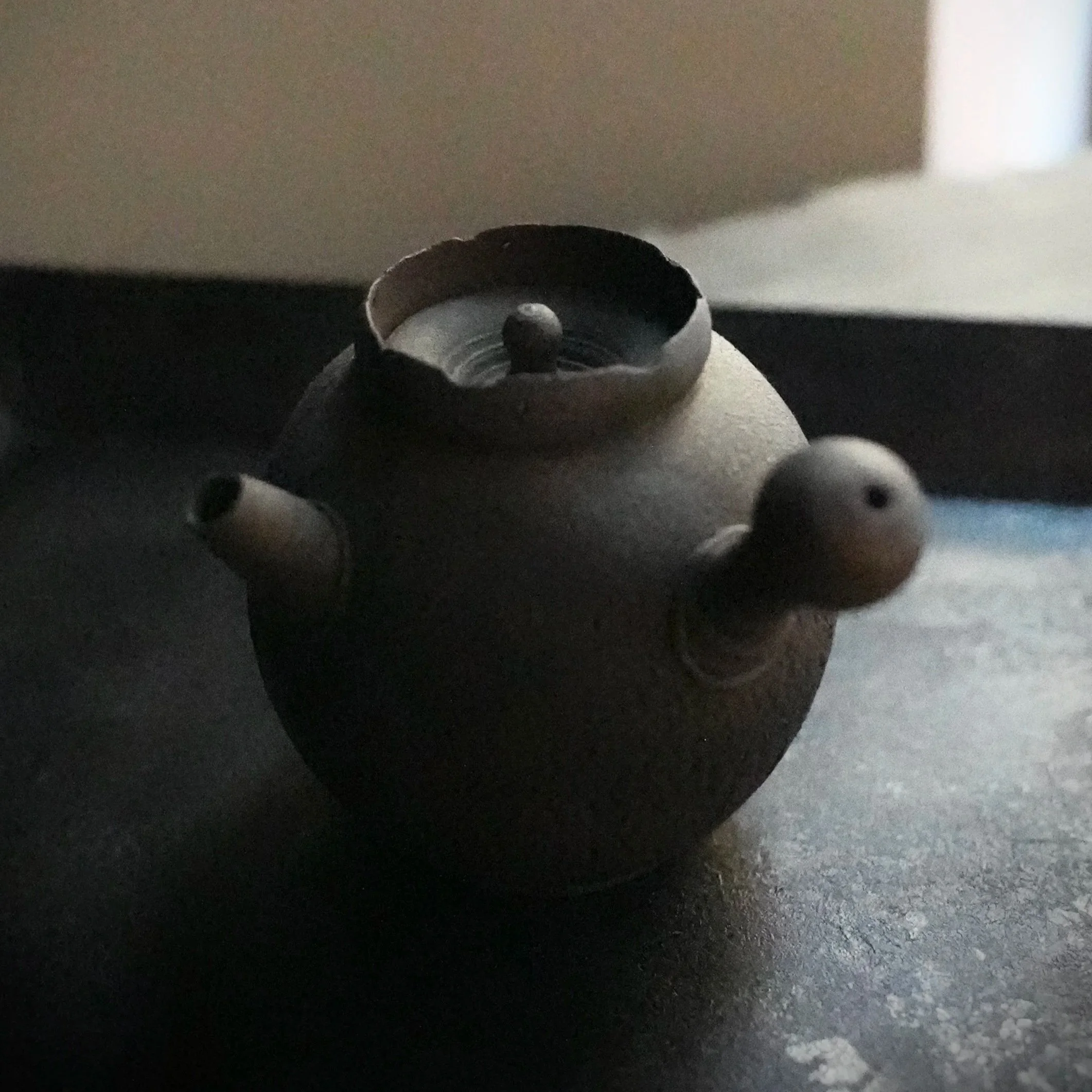
大观《菊瓣》樱桃木大漆盖置
This lid rest draws inspiration from the traditional jūding technique—an ancient method of repairing cracks by stitching them together with metal staples. Reinterpreted here, it becomes both a functional object and a quiet reflection on material dialogue.
Hand-carved from a single piece of cherry wood, the form echoes the gentle unfolding of chrysanthemum petals. A subtle side opening allows for the placement of a tea needle, adding a playful and practical dimension to its use.
The addition of copper staples is not merely structural, but expressive—binding the form while enriching its layered visual language. Wood, lacquer, and chrysanthemum motifs all emerge from nature, grounding the object in an organic sensibility.
Through this piece, the spirit of cherishing objects in Eastern philosophy is embodied—where repair is not concealment, but revelation. It speaks to an aesthetic of “imperfect, yet whole,” where traces of making and mending become part of the object’s quiet completeness.
Material: Cherry wood, urushi lacquer, copper staples
Technique: Hand-carved from a single block of cherry wood; traditional urushi lacquering; inspired by jūding (metal-stitch repair) technique
大观《菊瓣》樱桃木大漆盖置
This lid rest draws inspiration from the traditional jūding technique—an ancient method of repairing cracks by stitching them together with metal staples. Reinterpreted here, it becomes both a functional object and a quiet reflection on material dialogue.
Hand-carved from a single piece of cherry wood, the form echoes the gentle unfolding of chrysanthemum petals. A subtle side opening allows for the placement of a tea needle, adding a playful and practical dimension to its use.
The addition of copper staples is not merely structural, but expressive—binding the form while enriching its layered visual language. Wood, lacquer, and chrysanthemum motifs all emerge from nature, grounding the object in an organic sensibility.
Through this piece, the spirit of cherishing objects in Eastern philosophy is embodied—where repair is not concealment, but revelation. It speaks to an aesthetic of “imperfect, yet whole,” where traces of making and mending become part of the object’s quiet completeness.
Material: Cherry wood, urushi lacquer, copper staples
Technique: Hand-carved from a single block of cherry wood; traditional urushi lacquering; inspired by jūding (metal-stitch repair) technique

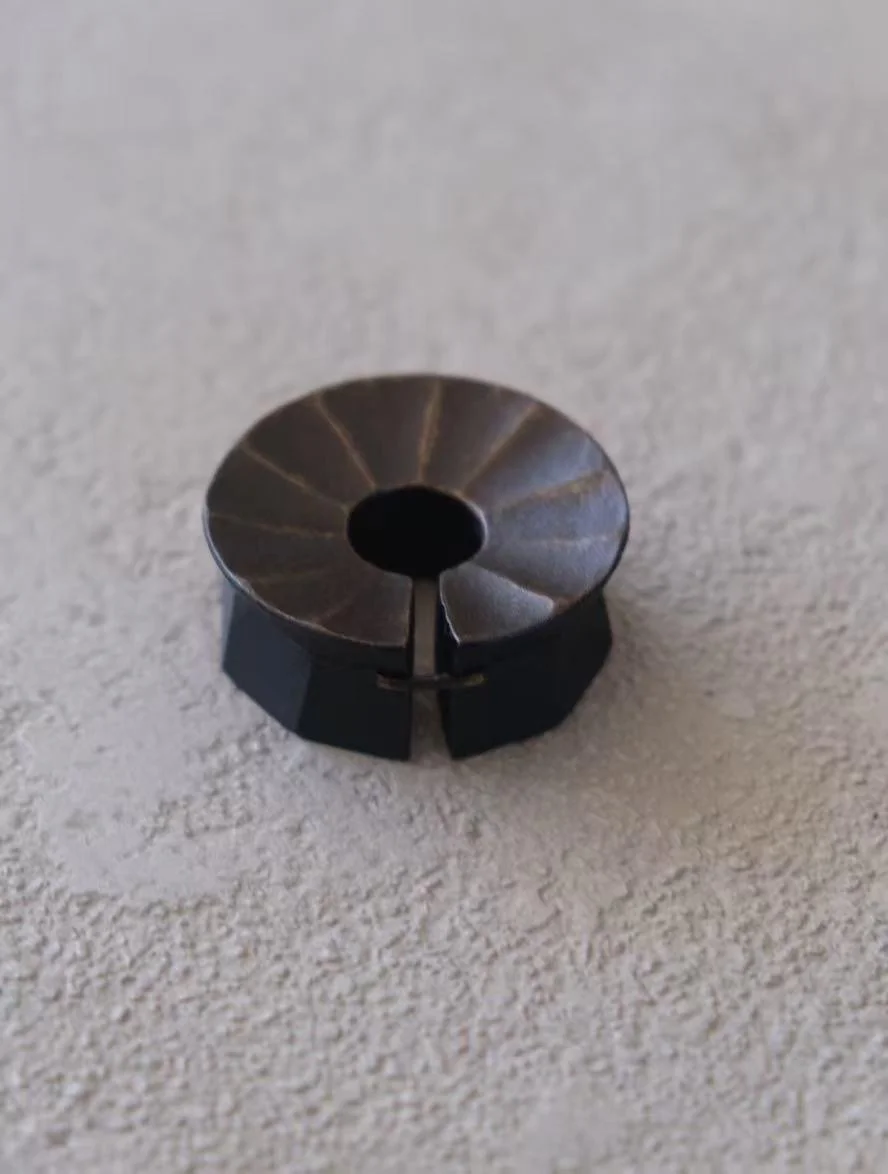 Image 1 of 4
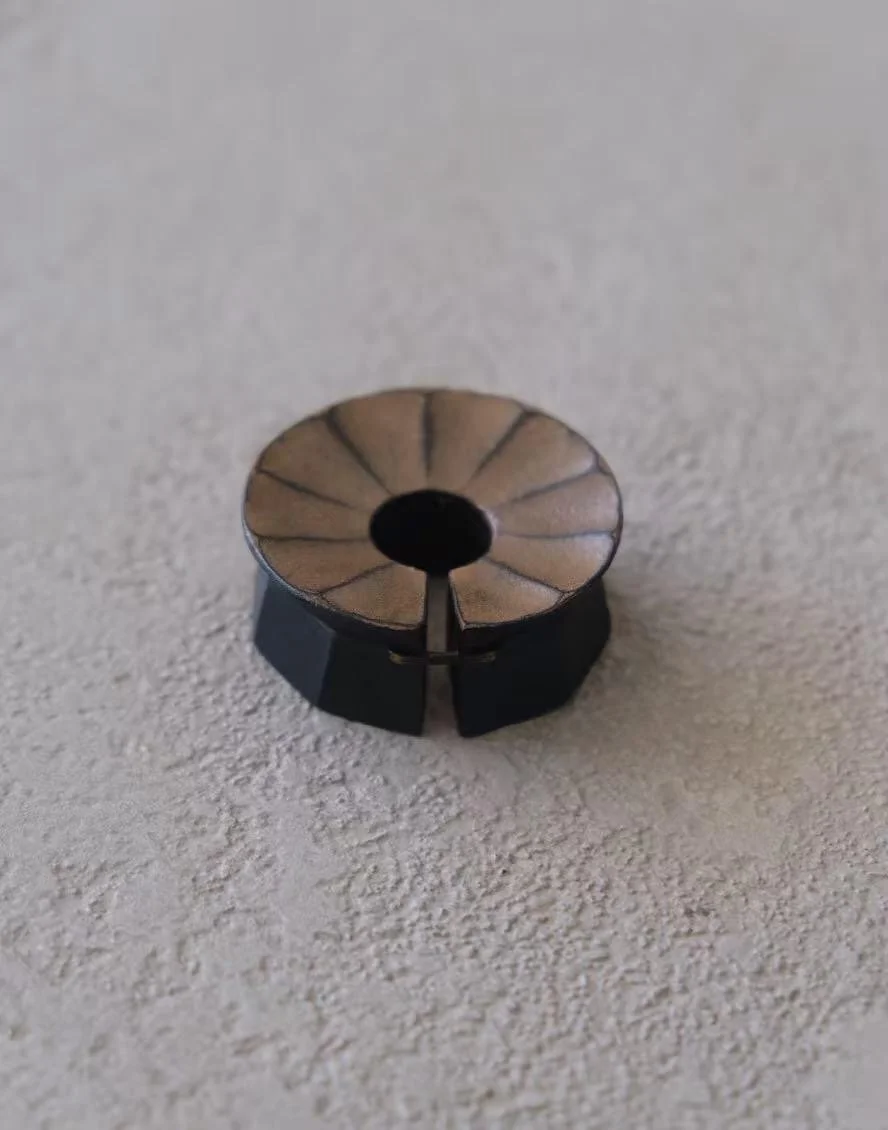 Image 2 of 4
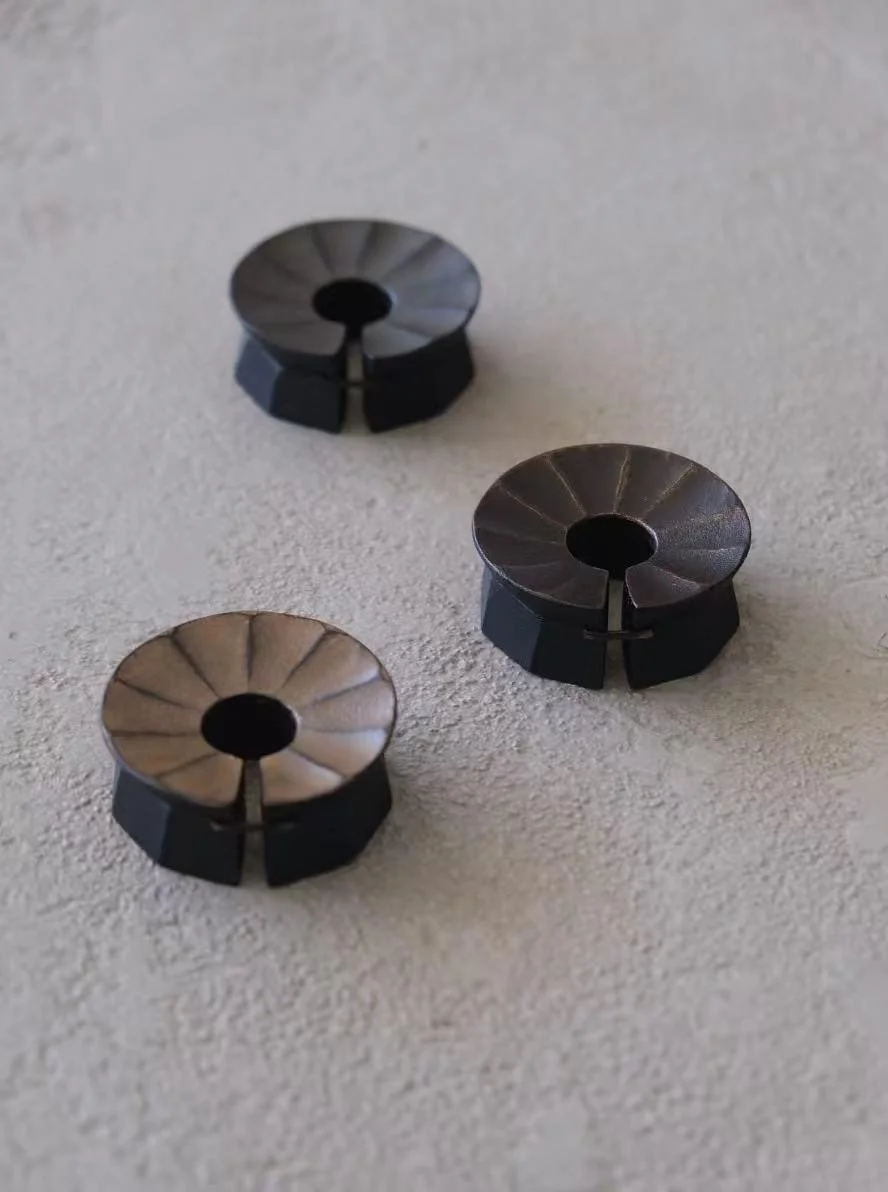 Image 3 of 4
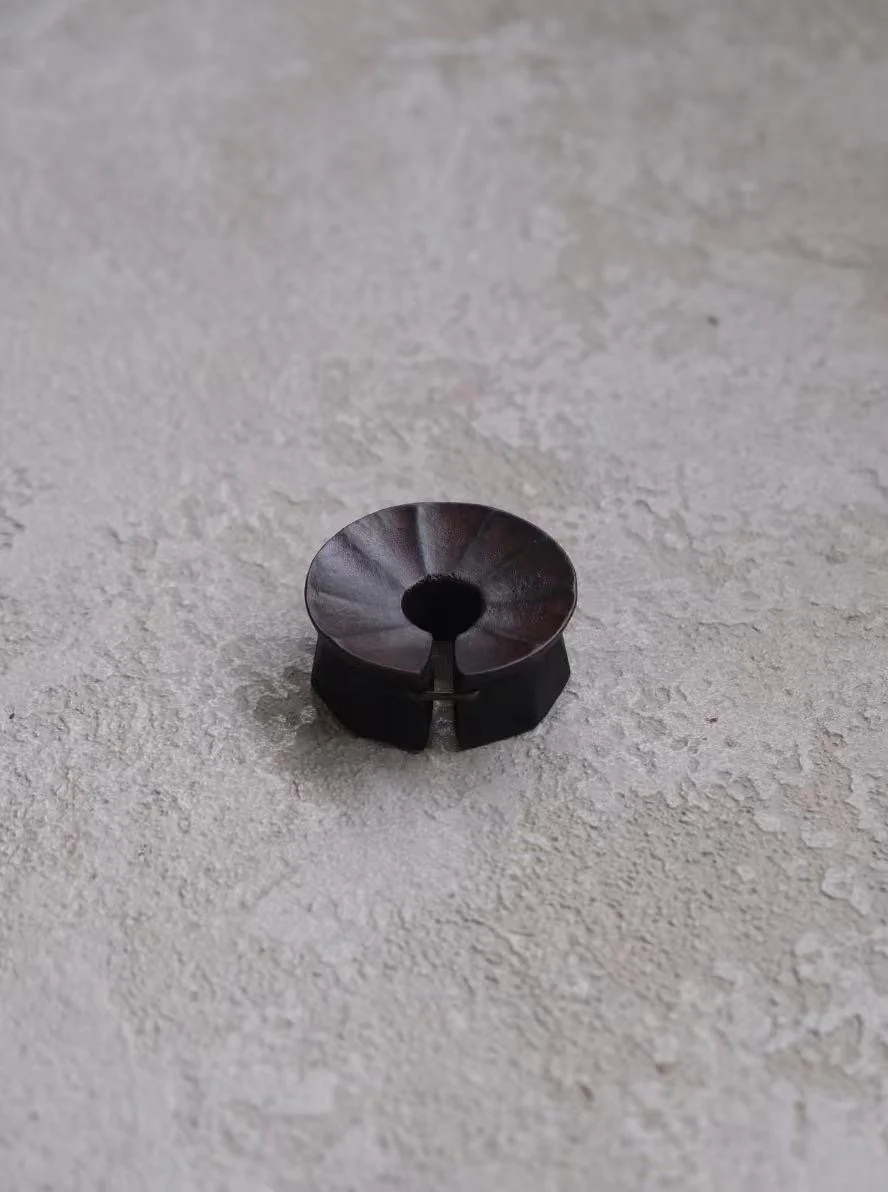 Image 4 of 4