 Image 1 of 3
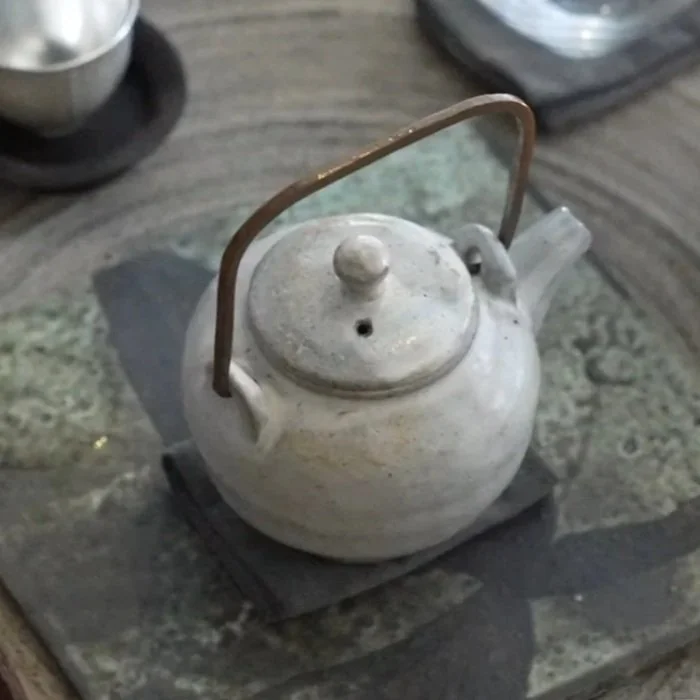 Image 2 of 3
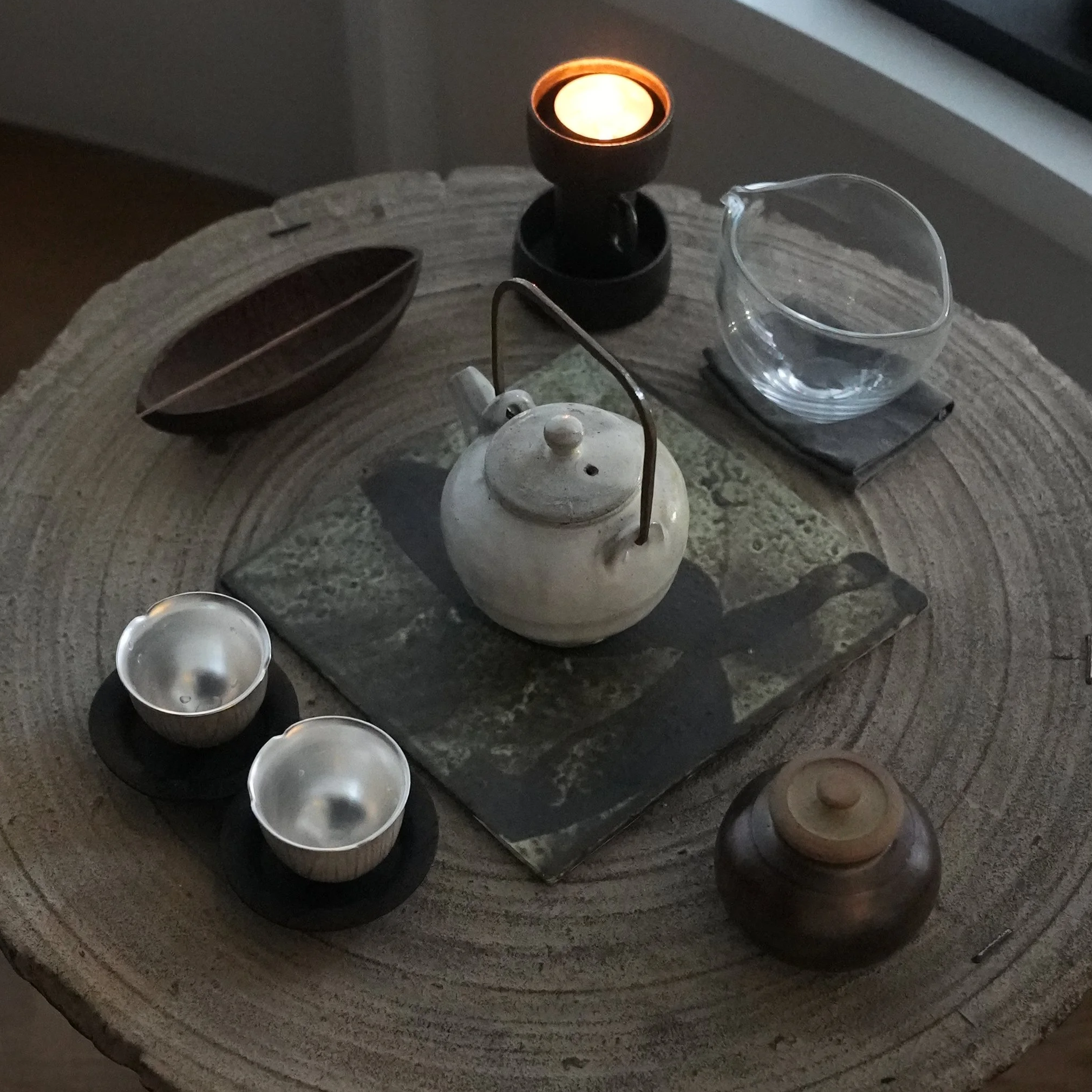 Image 3 of 3
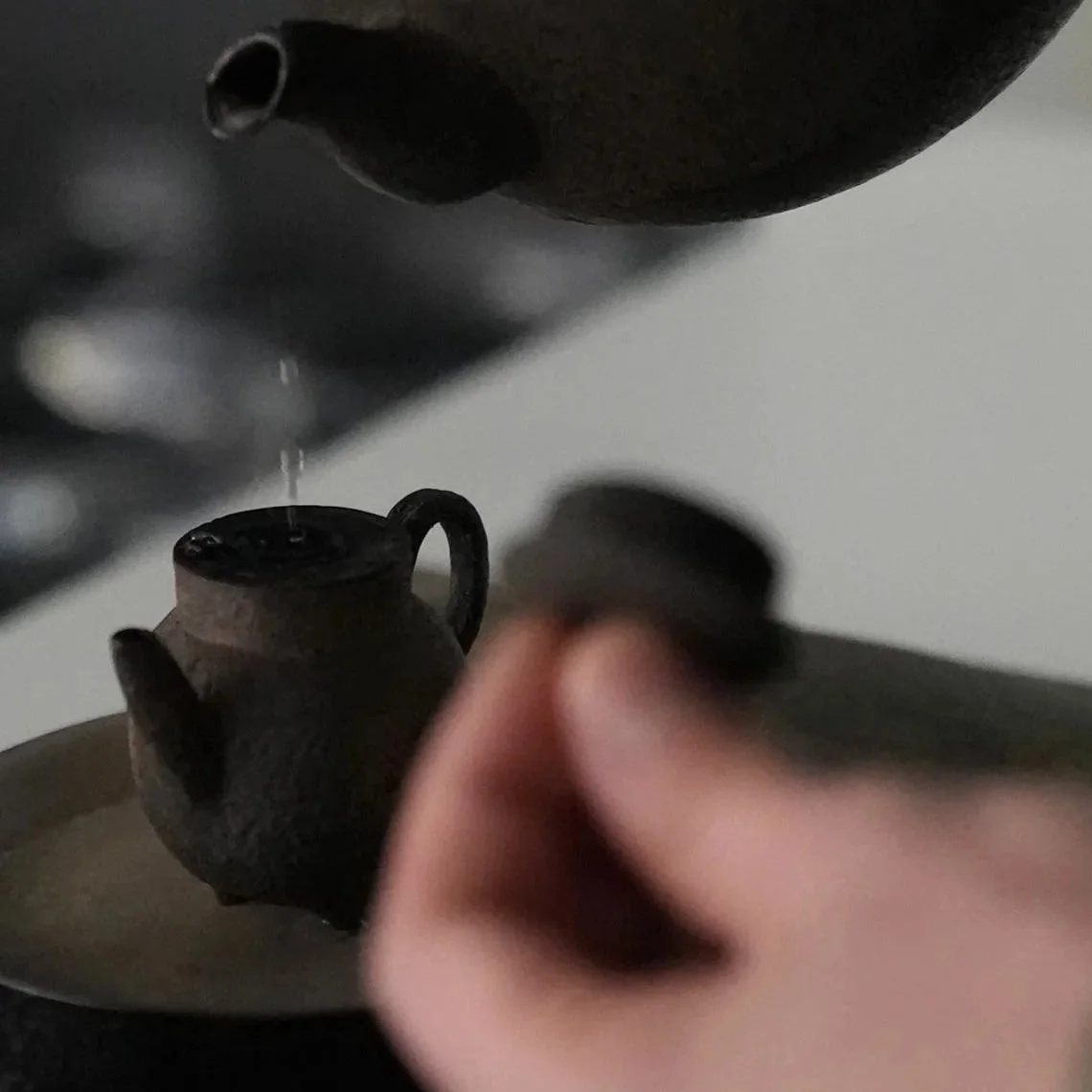
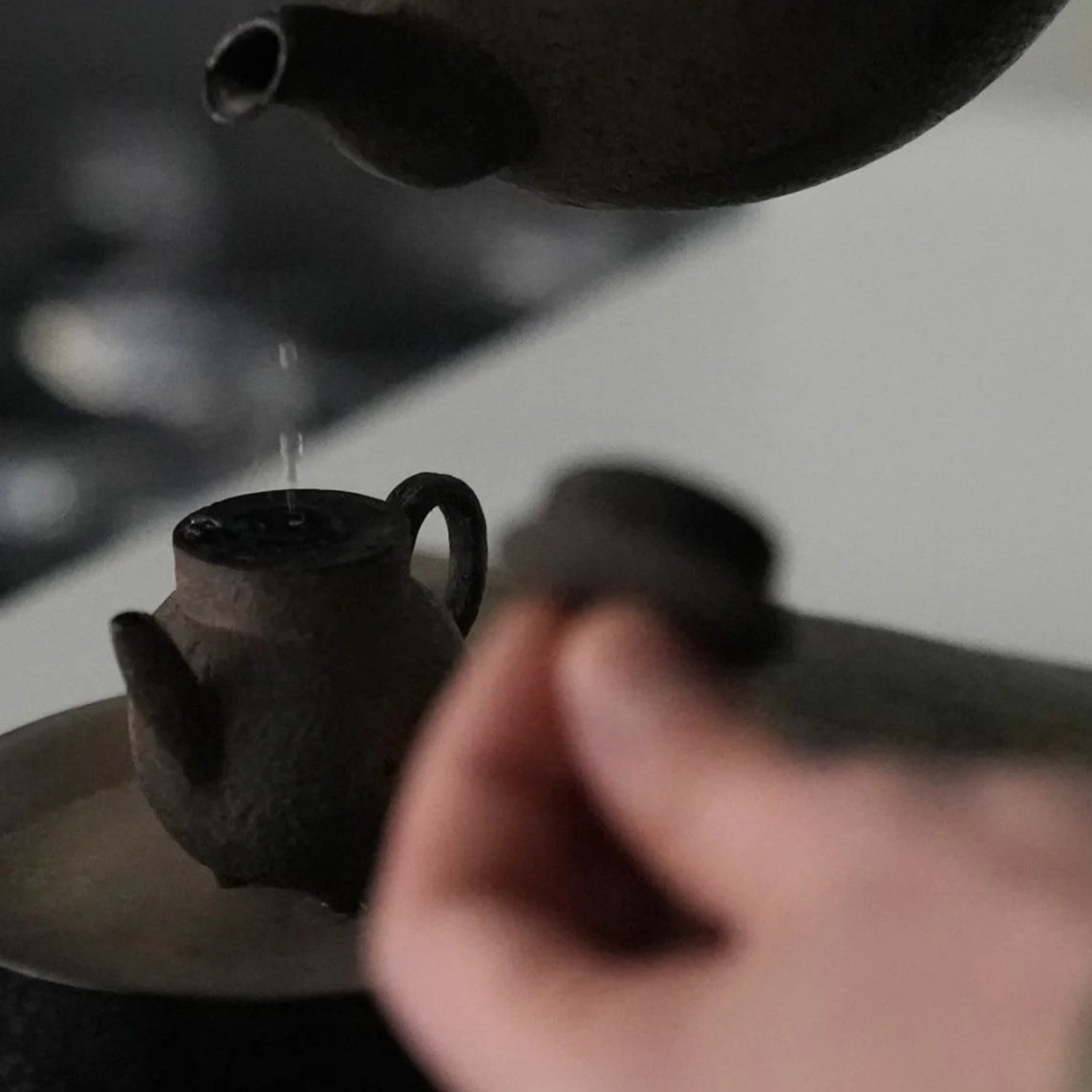
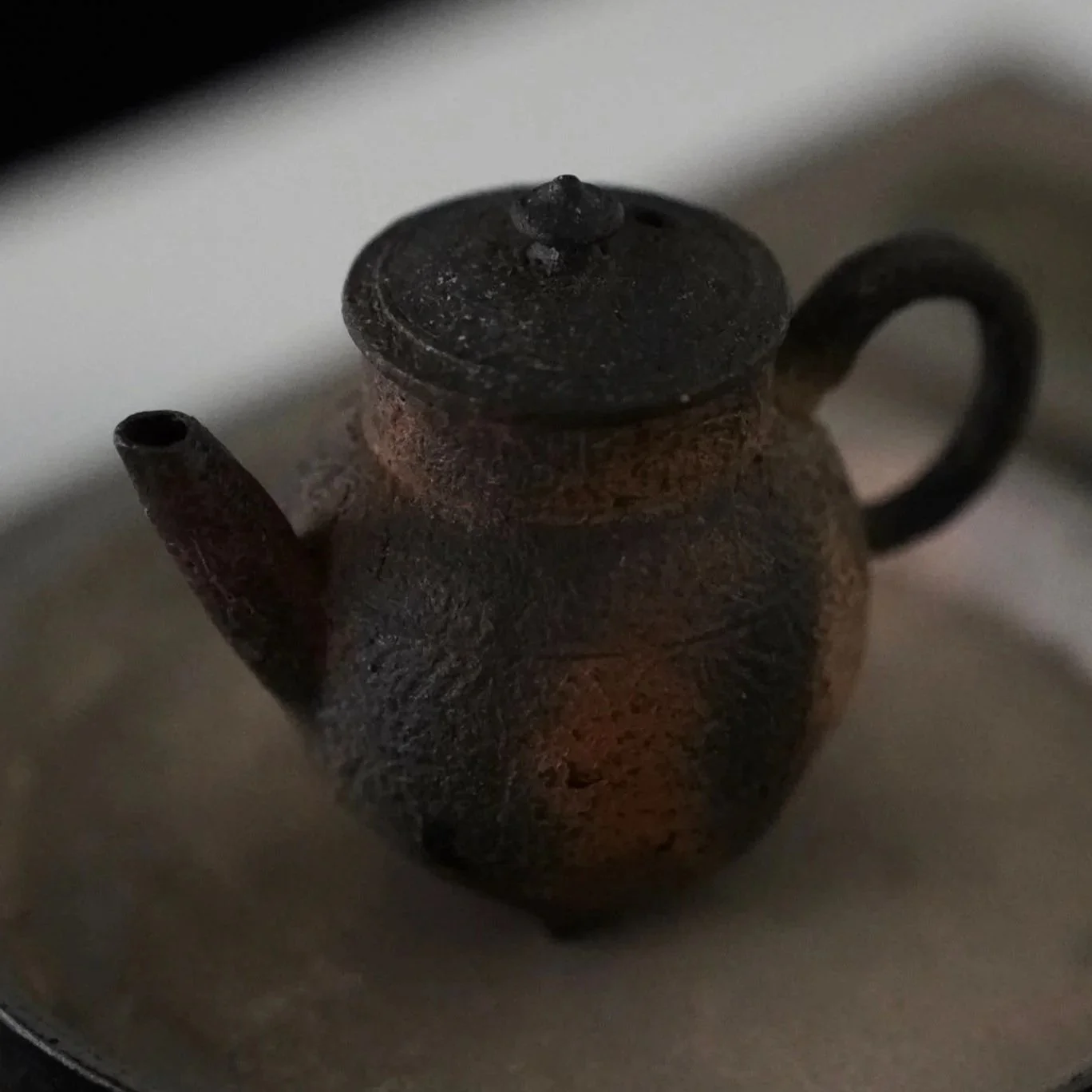
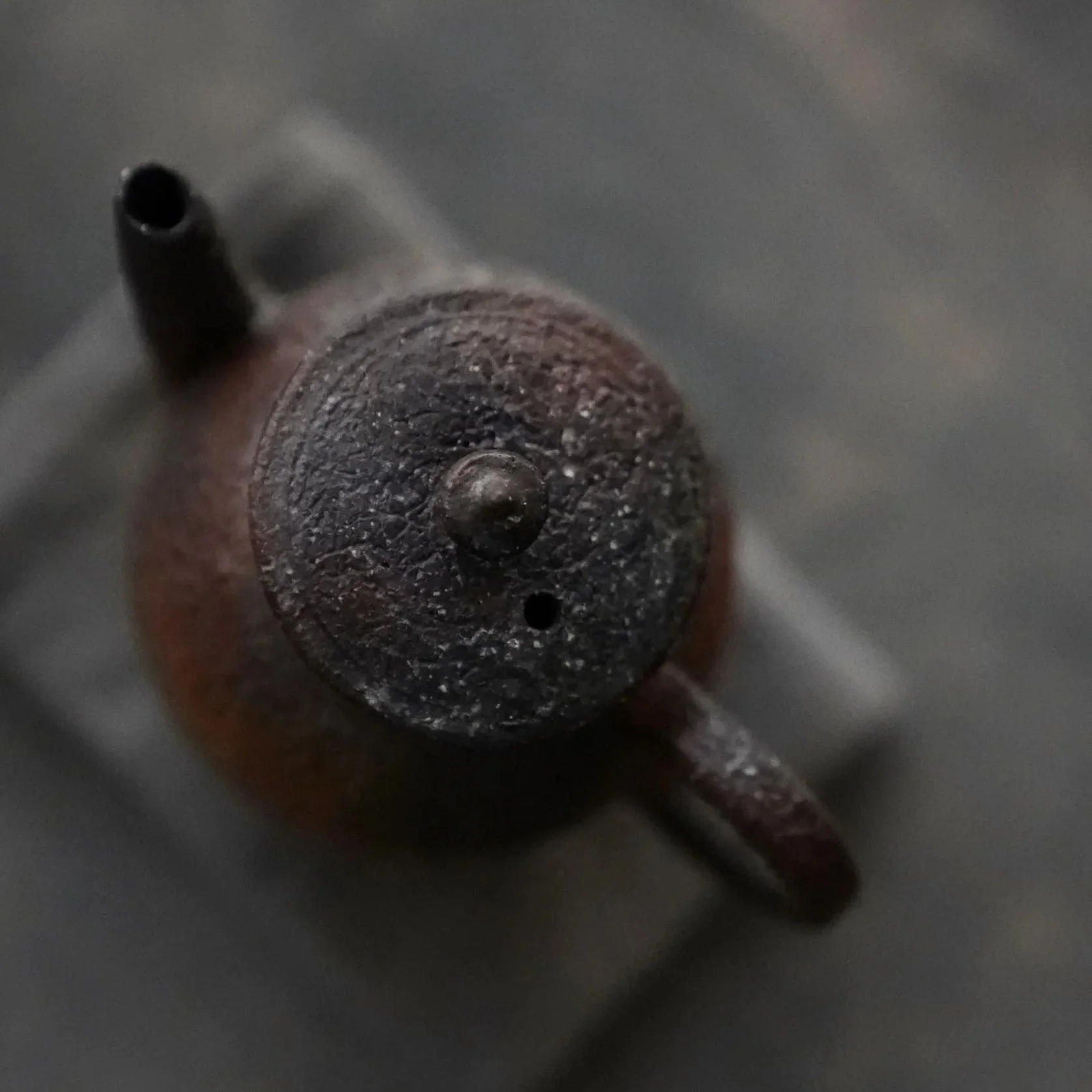
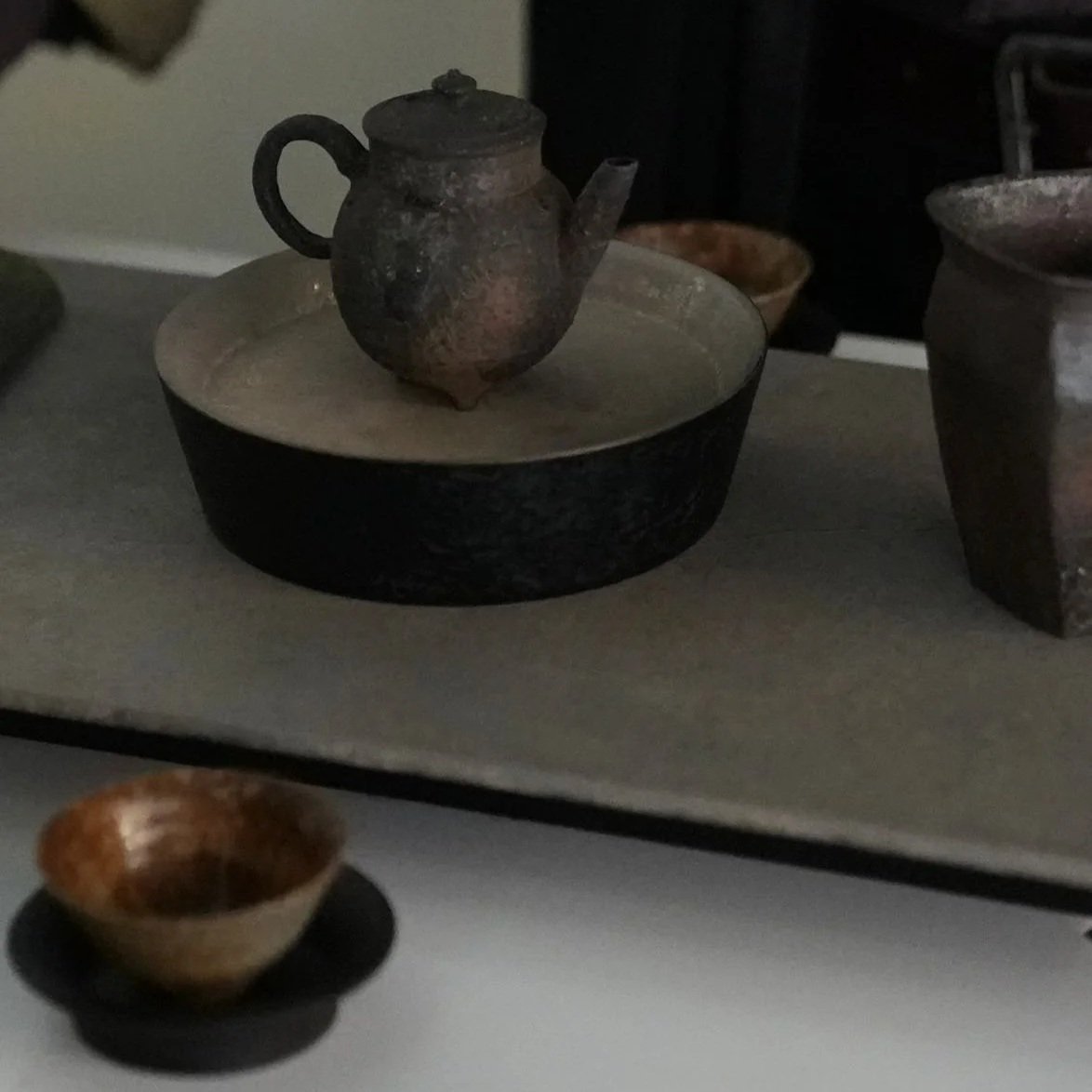
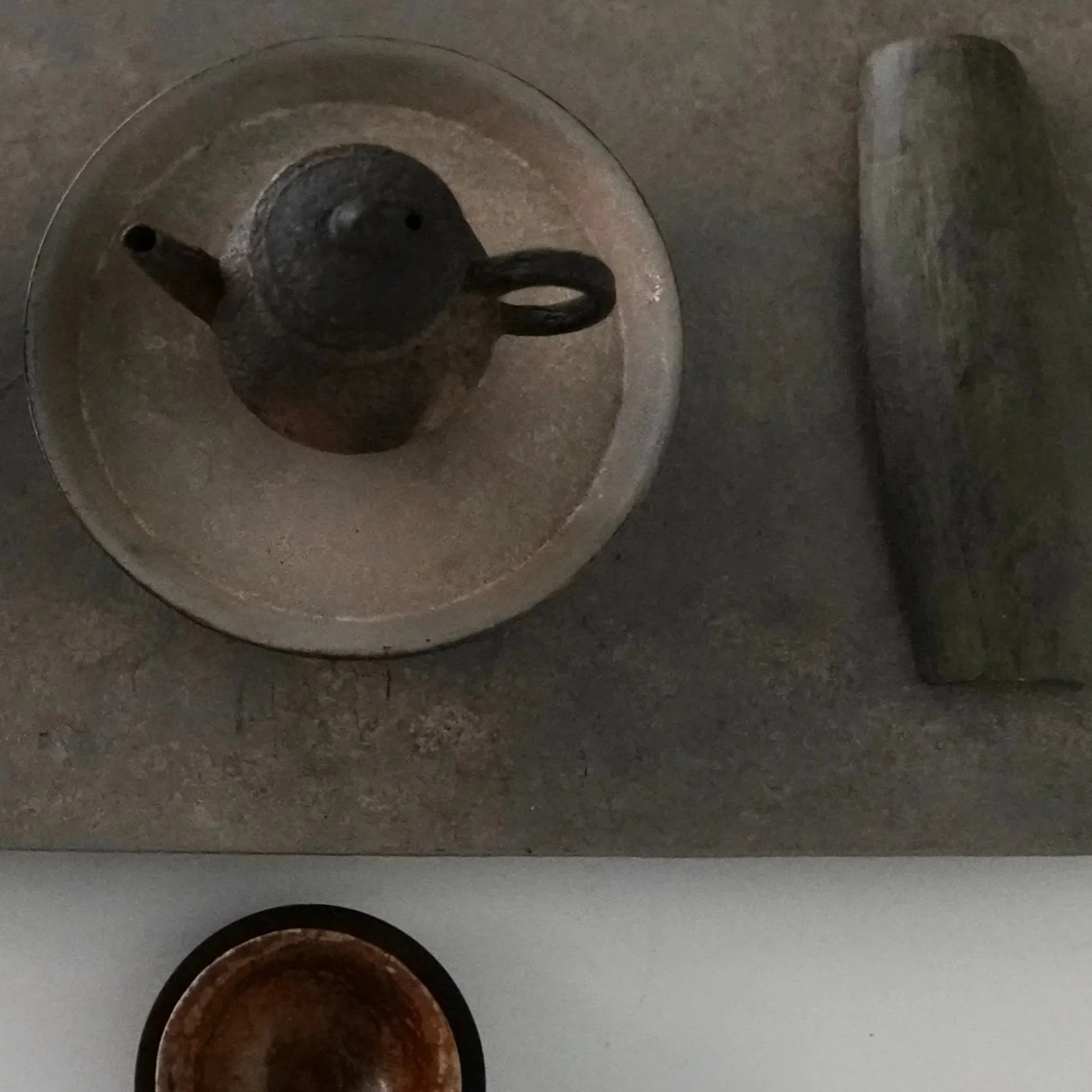
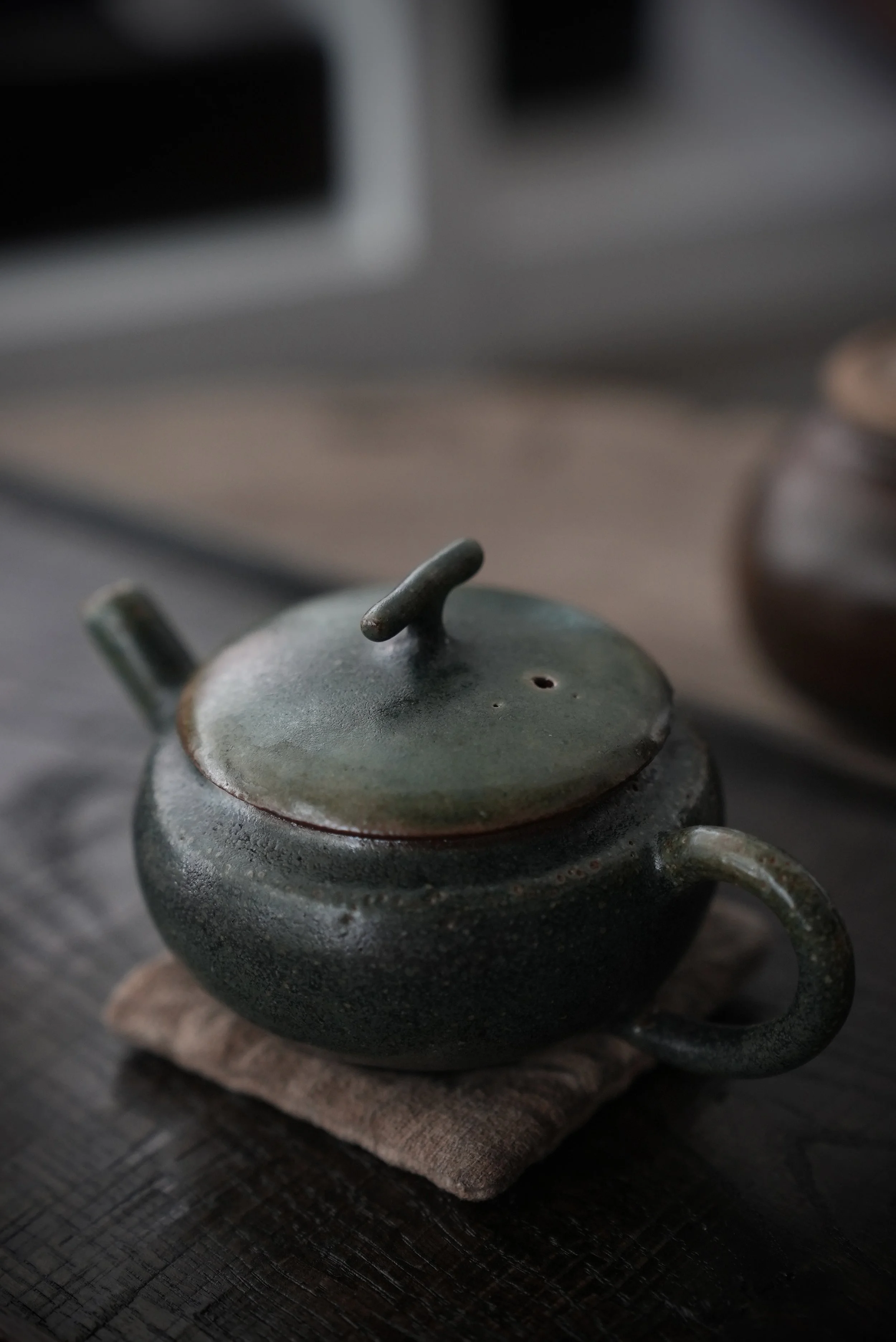
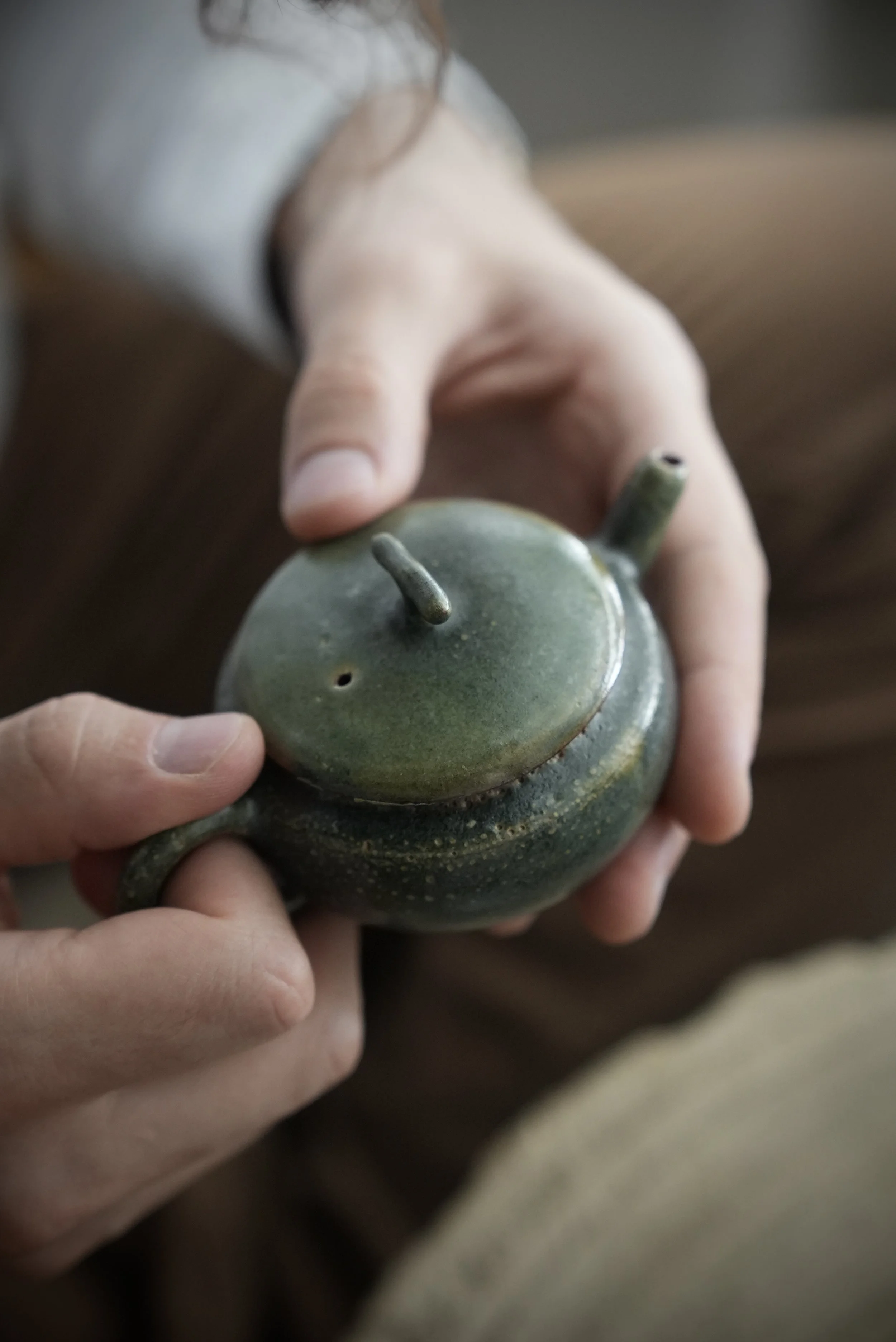
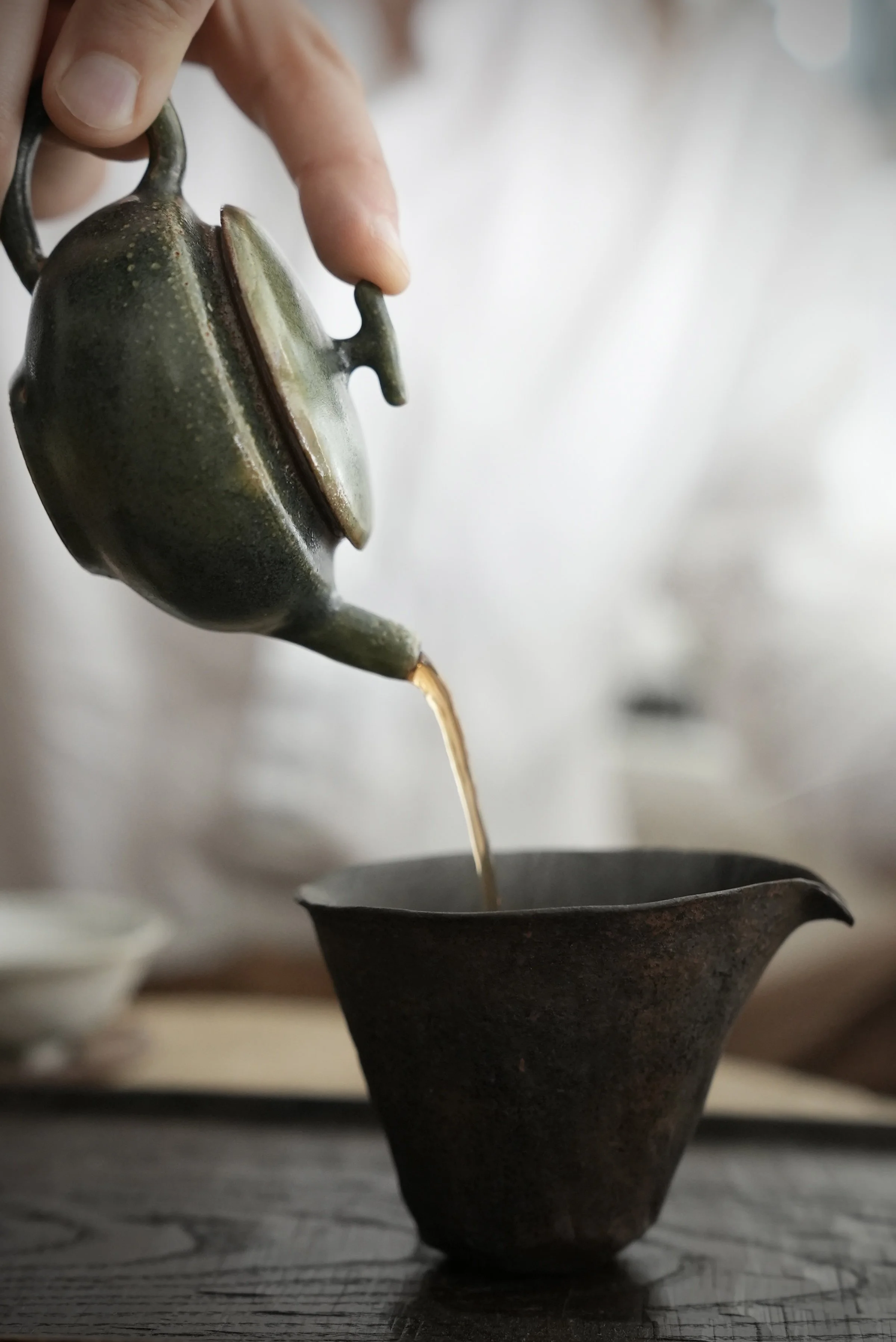
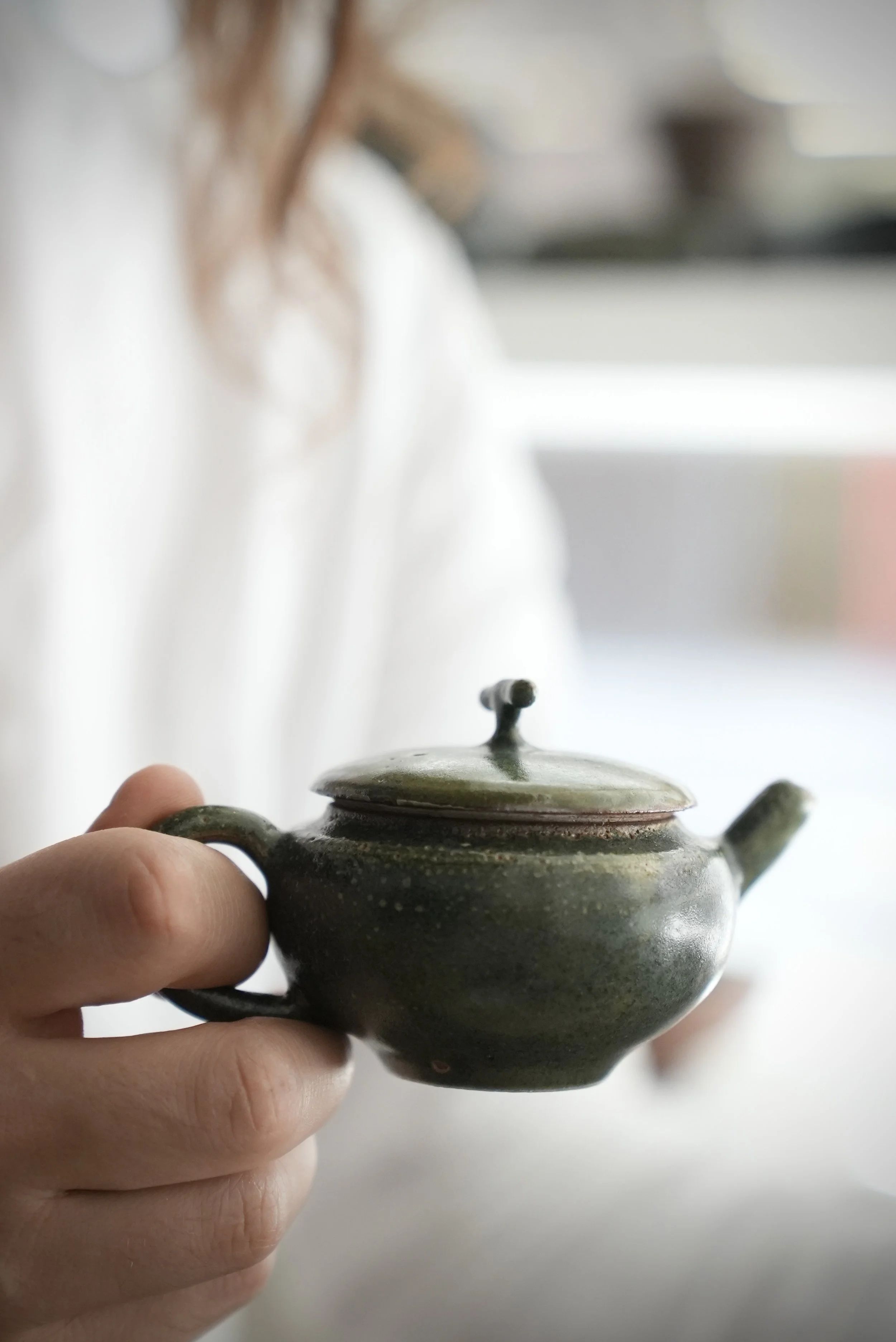
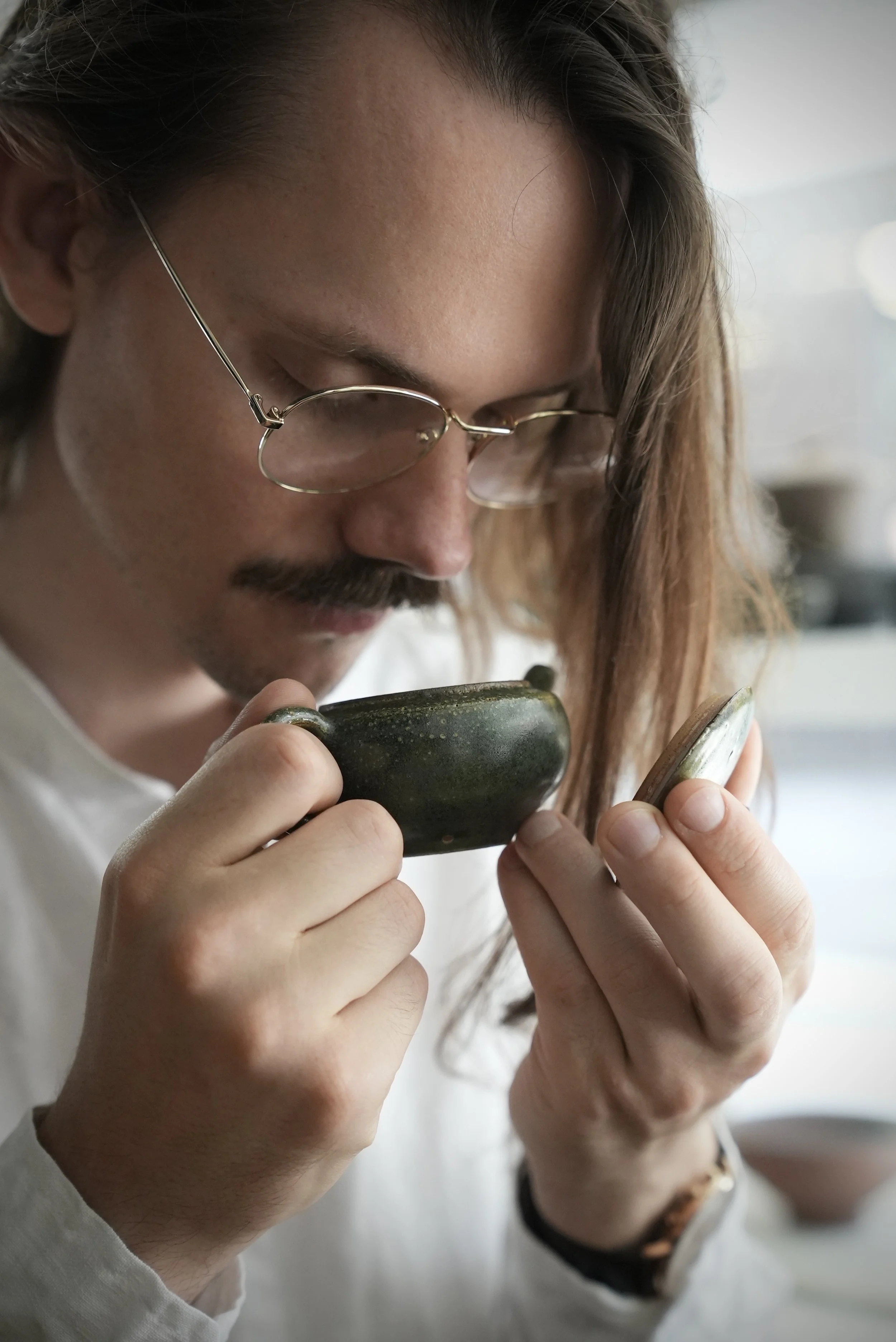
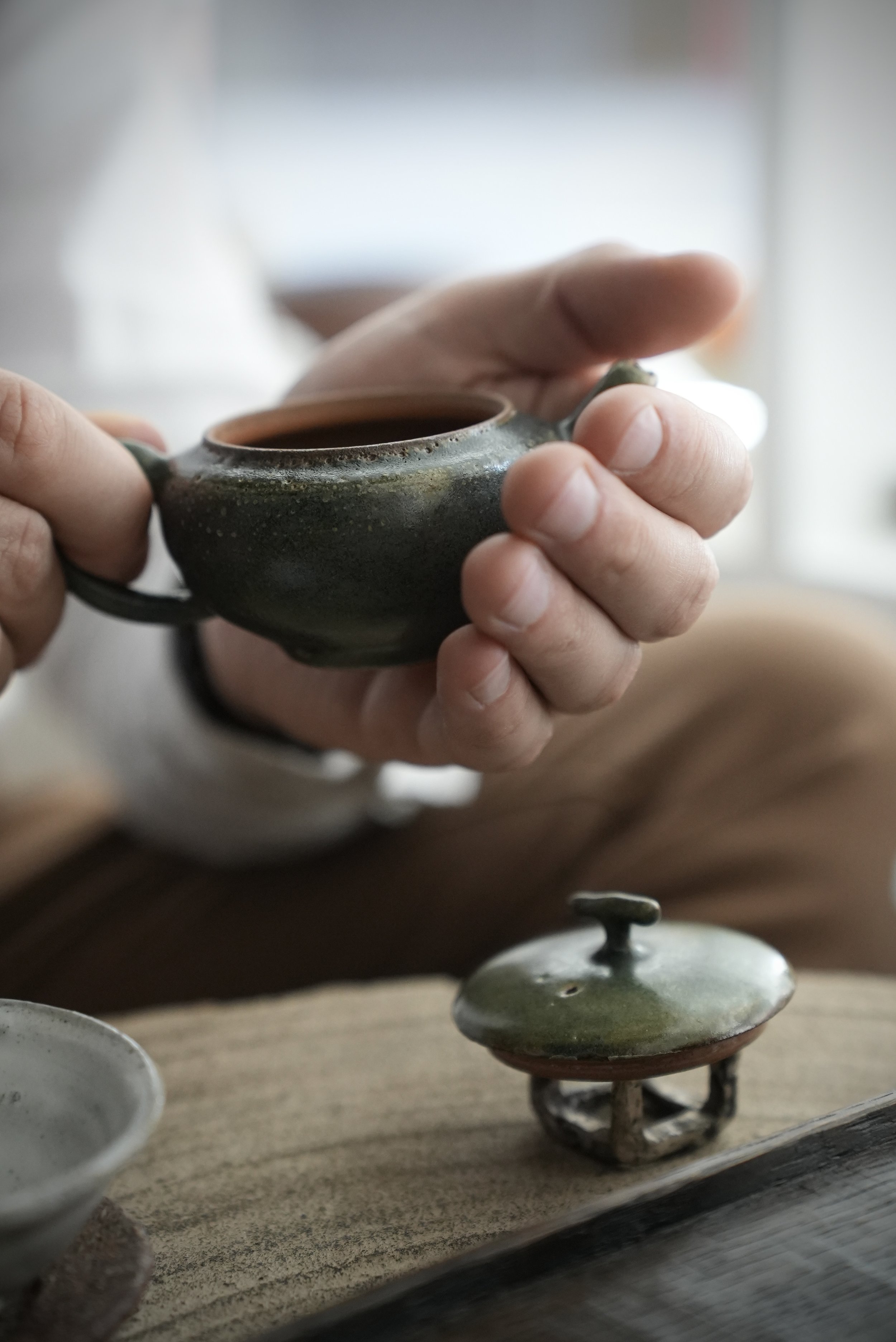
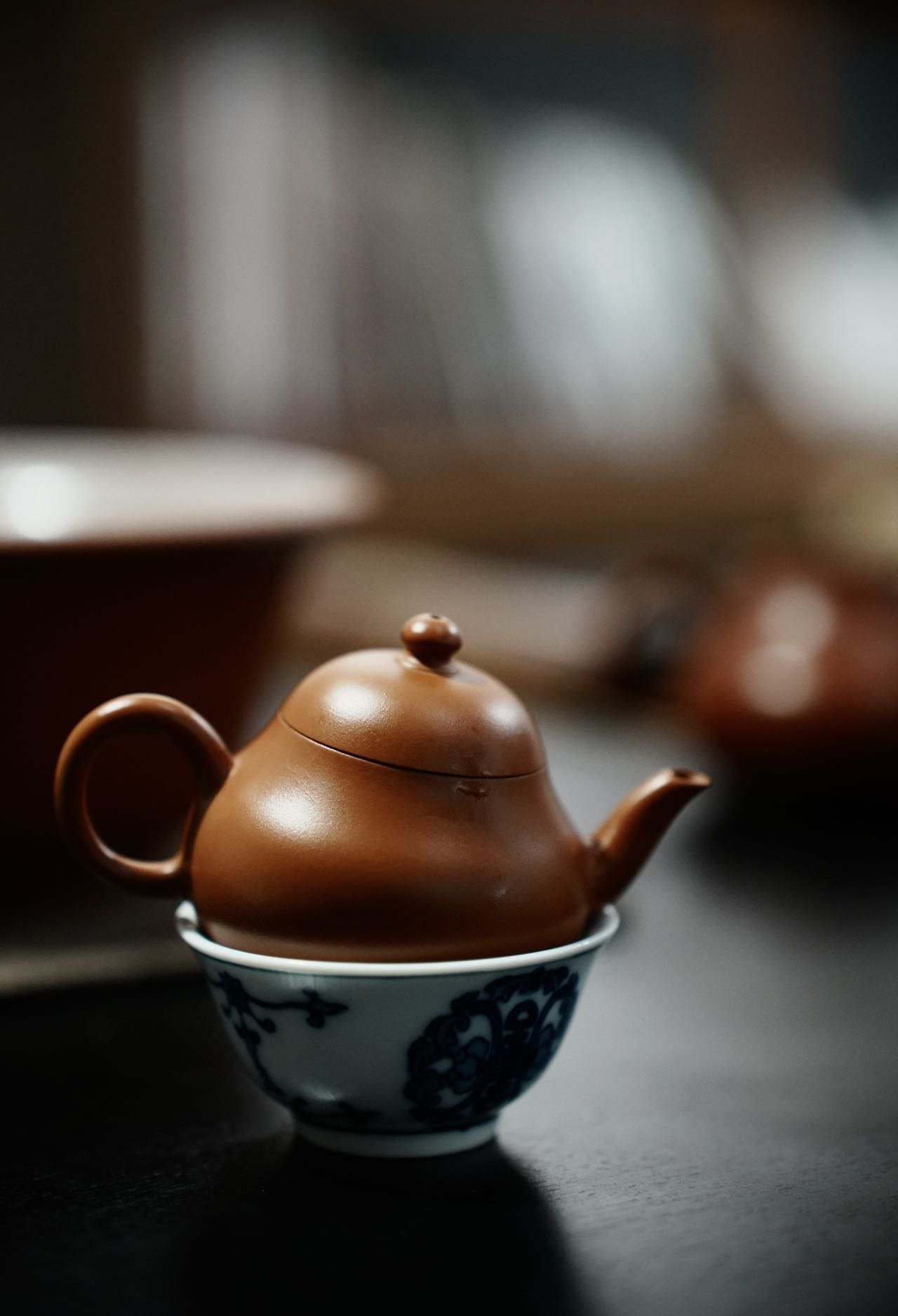
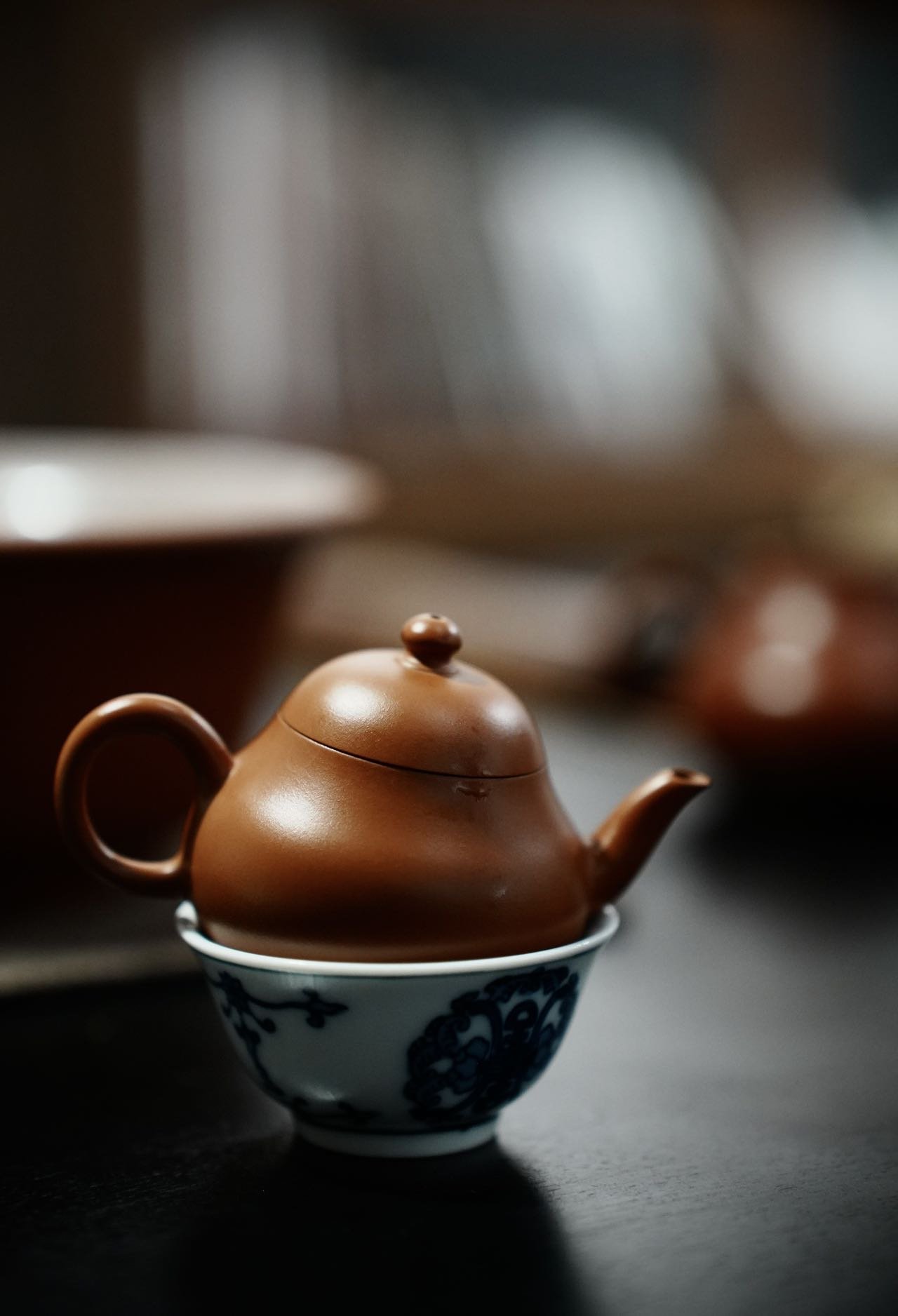
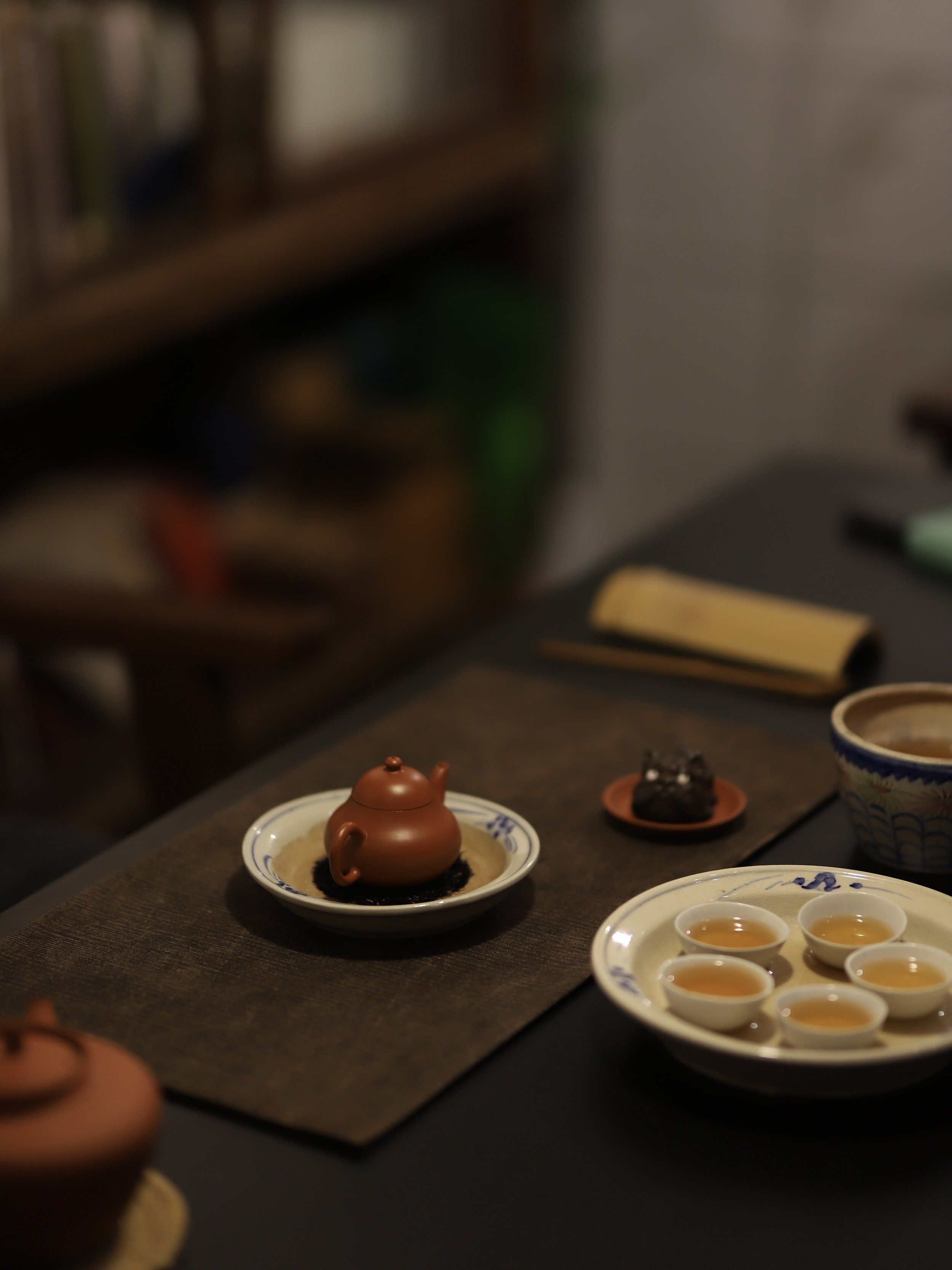
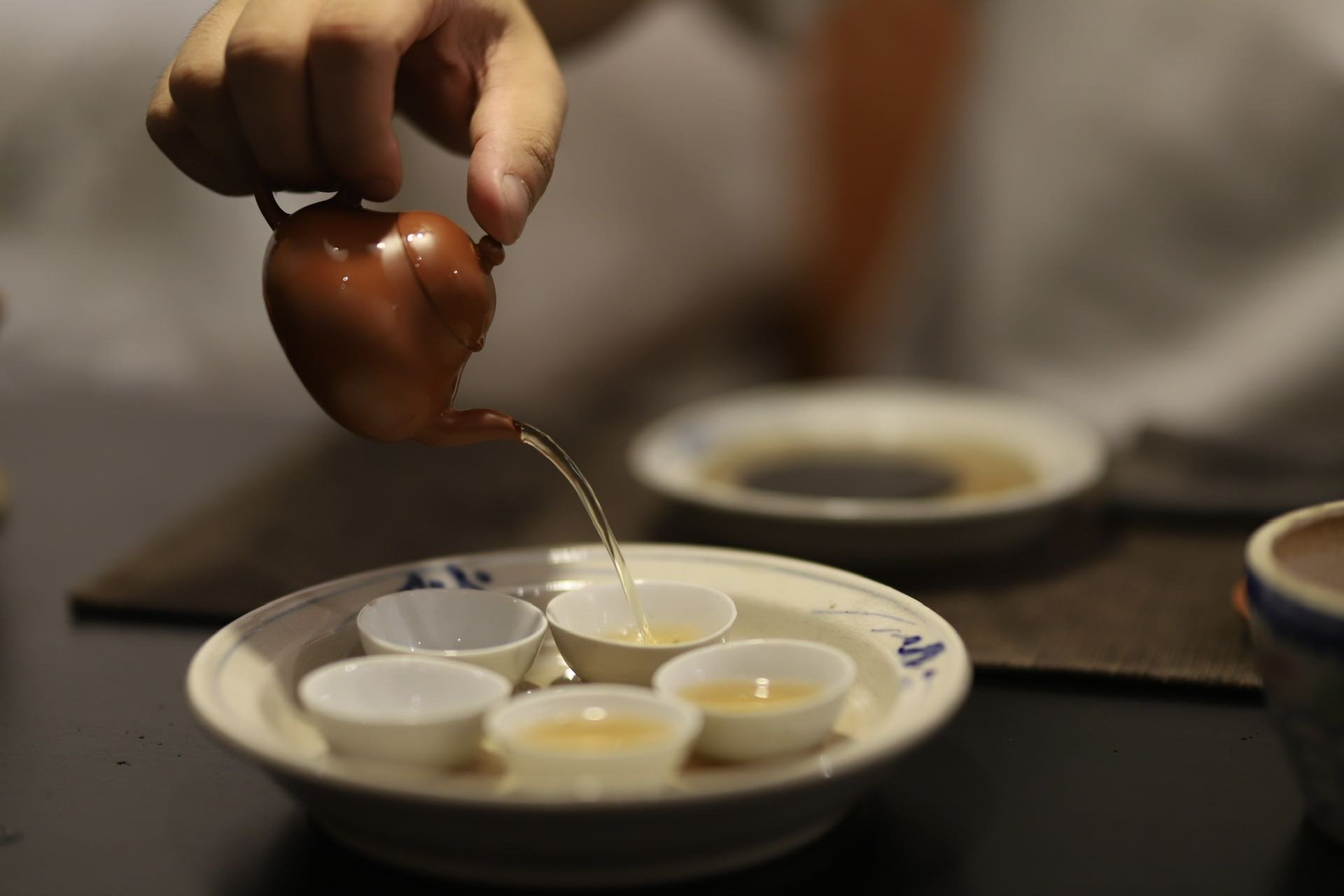
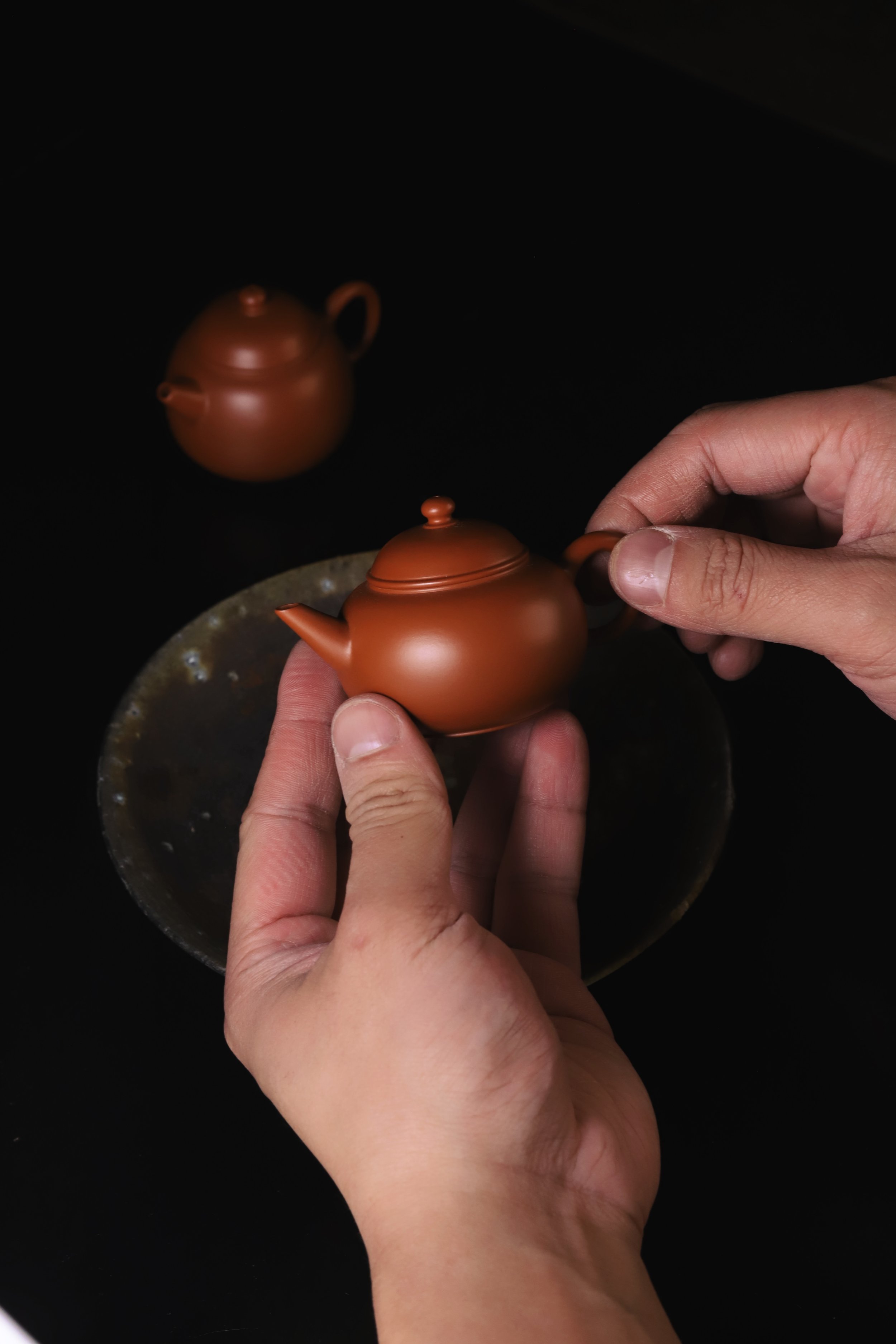
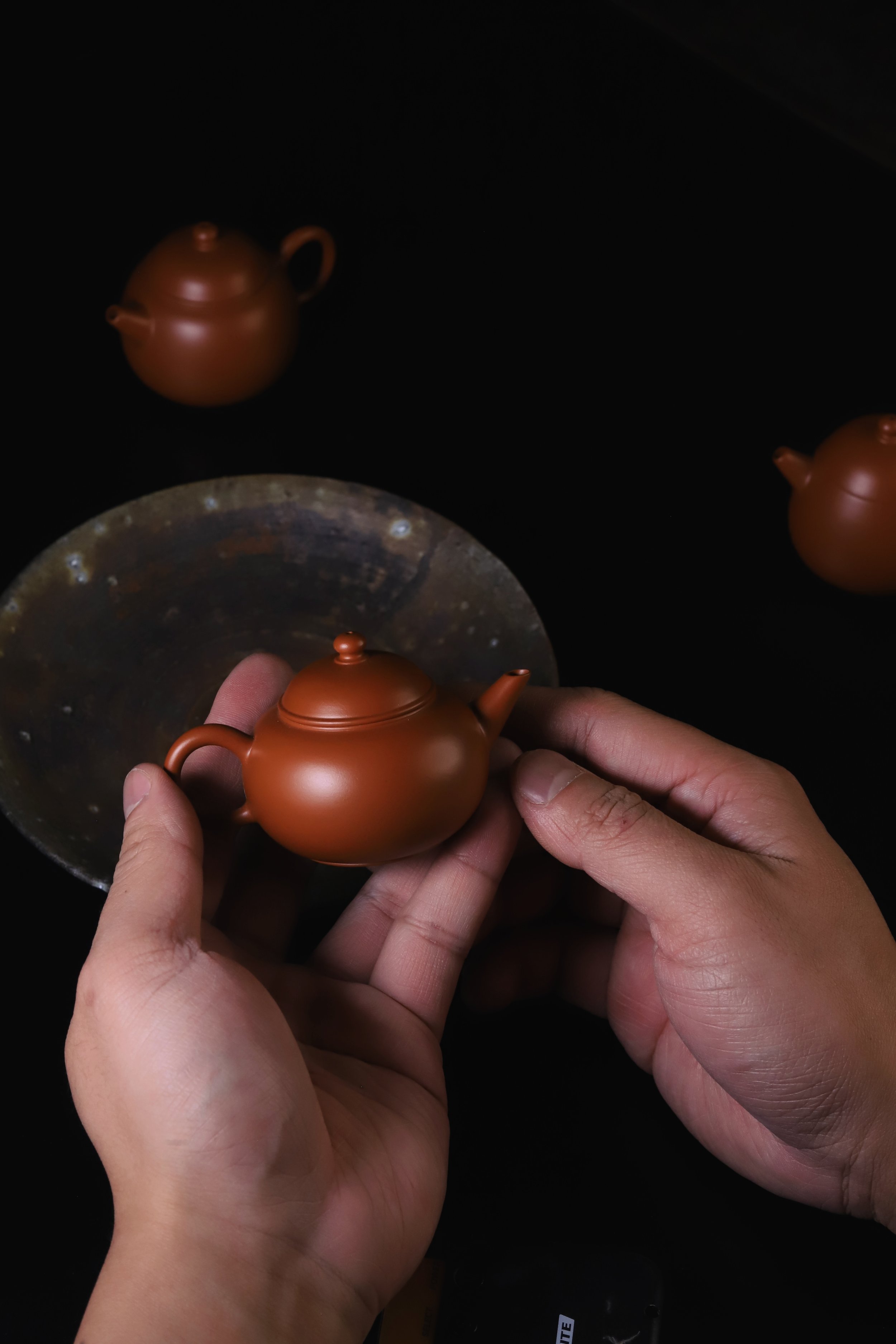
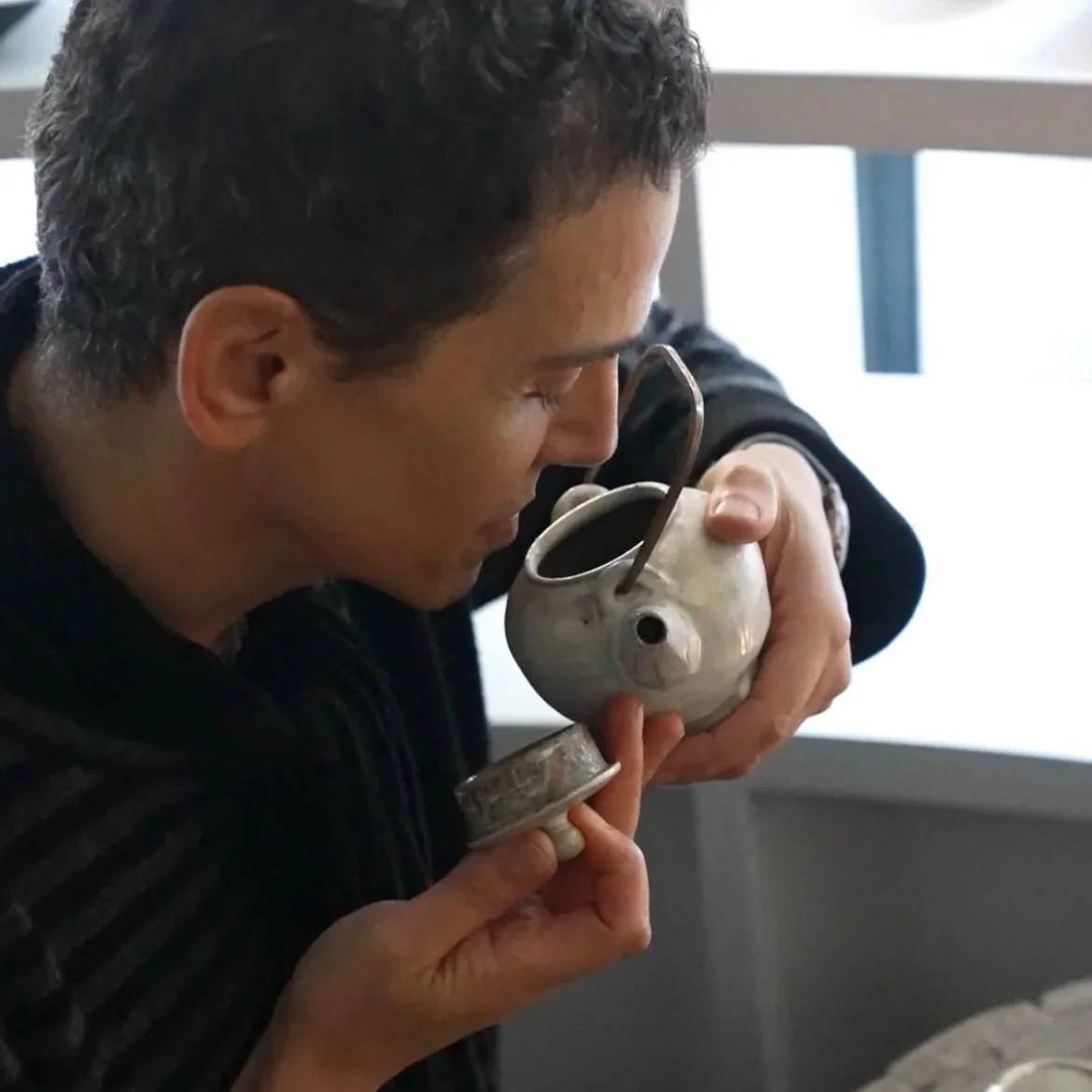
Park Sung Wook’s teapot is conceived as a site of relationship rather than a purely functional object. Drawing from Korean ceramic traditions of buncheong and white porcelain, the work reflects an ongoing investigation into how clay, slip, gravity, and firing conditions interact over time. Its form is intentionally restrained, allowing subtle surface variations to emerge through process rather than decoration.
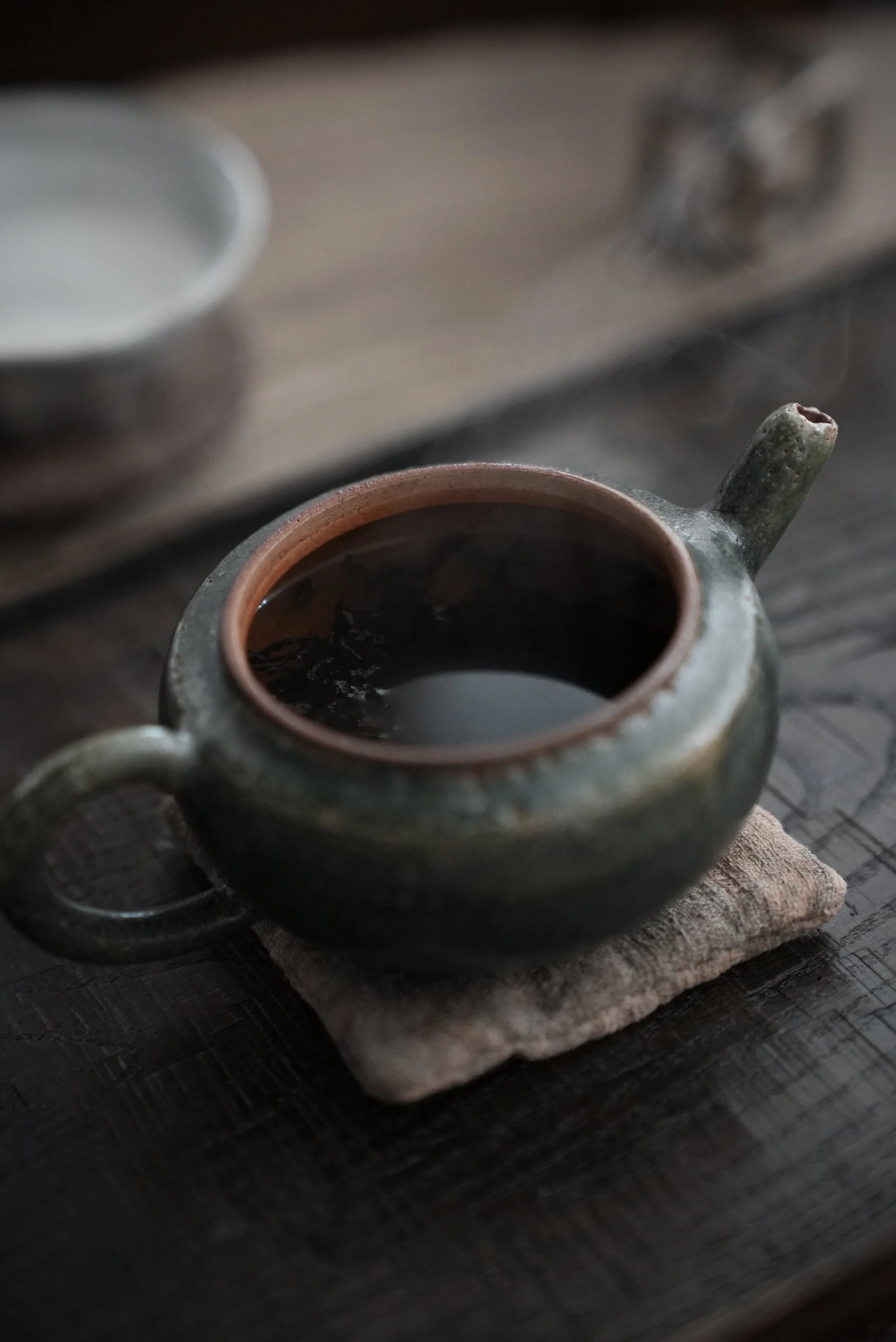
The teapot’s design language is shaped by an attention to material behaviour. Iron-rich clay meets layers of white slip, creating tonal shifts that range from warm white to soft grey blue, depending on glaze and firing. During drying and firing, these materials respond differently to gravity, temperature, and airflow, sometimes blending, sometimes separating. These moments of tension and convergence are not corrected but embraced, becoming integral to the final form.
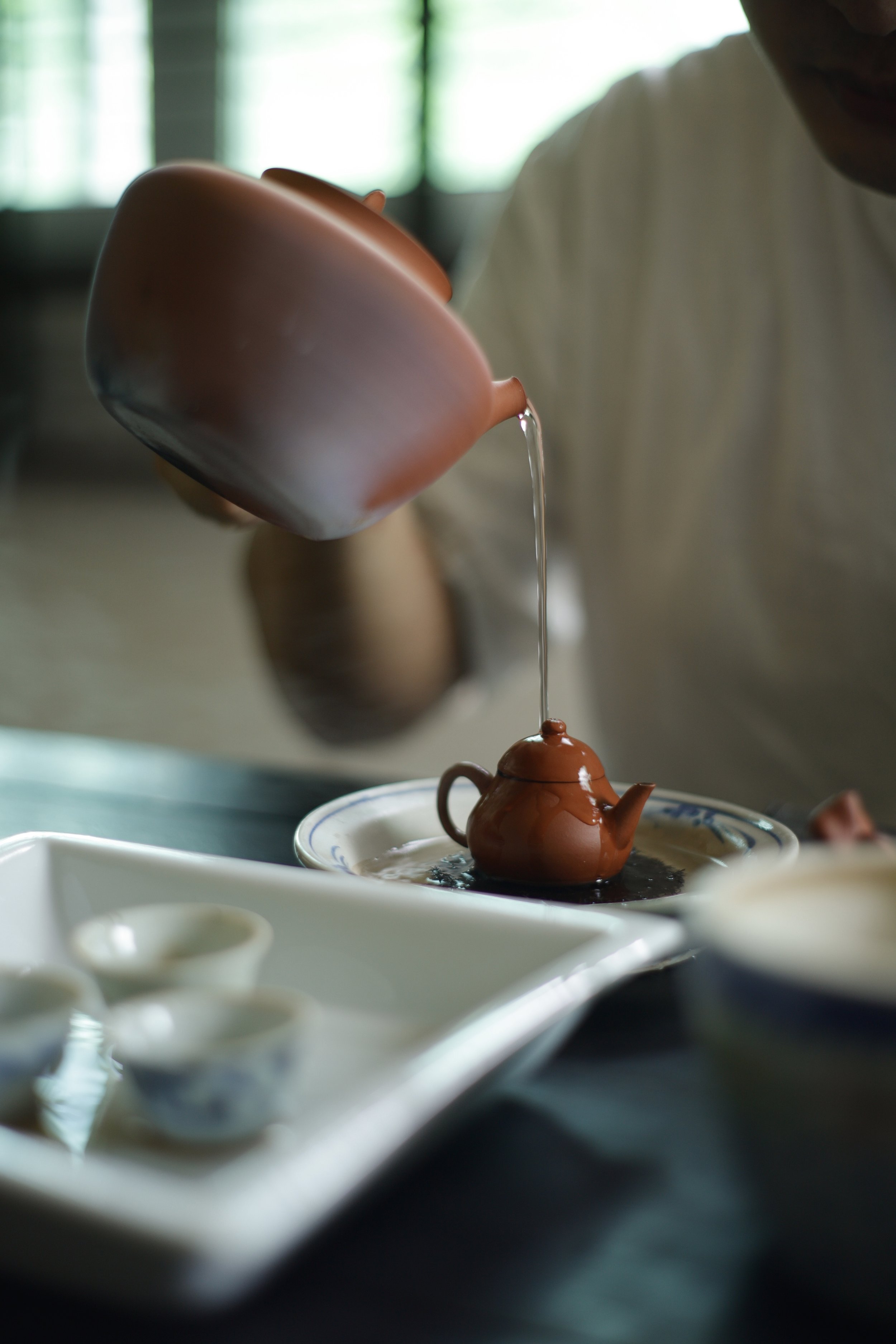
Rather than presenting a polished or perfected surface, the teapot carries visible traces of making. These traces invite the user to sense time through touch and use, echoing the artist’s belief that ceramic objects exist within relationships between material, maker, and everyday life. In this way, the teapot functions as both a utilitarian vessel and a contemplative object, offering a quiet pause within the rhythms of daily tea practice.
Material: Stoneware
Technique: Buncheong 분청 (Korean Slip-Glazed)
Park Sung Wook’s teapot is conceived as a site of relationship rather than a purely functional object. Drawing from Korean ceramic traditions of buncheong and white porcelain, the work reflects an ongoing investigation into how clay, slip, gravity, and firing conditions interact over time. Its form is intentionally restrained, allowing subtle surface variations to emerge through process rather than decoration.
The teapot’s design language is shaped by an attention to material behaviour. Iron-rich clay meets layers of white slip, creating tonal shifts that range from warm white to soft grey blue, depending on glaze and firing. During drying and firing, these materials respond differently to gravity, temperature, and airflow, sometimes blending, sometimes separating. These moments of tension and convergence are not corrected but embraced, becoming integral to the final form.
Rather than presenting a polished or perfected surface, the teapot carries visible traces of making. These traces invite the user to sense time through touch and use, echoing the artist’s belief that ceramic objects exist within relationships between material, maker, and everyday life. In this way, the teapot functions as both a utilitarian vessel and a contemplative object, offering a quiet pause within the rhythms of daily tea practice.
Material: Stoneware
Technique: Buncheong 분청 (Korean Slip-Glazed)